
Montreal chefs unite in defense of ‘nosh’ as language enforcement clashes with restaurant culture
The Quebec Office of the French Language (OQLF) has escalated its scrutiny of Montreal’s culinary scene, targeting the term “nosh” in menus and signage—a move that has sparked a rare public backlash from the city’s chefs and restaurateurs. With over 150 establishments now openly defying or resisting language regulations, the dispute has exposed deep tensions between Quebec’s language laws and Montreal’s reputation as a global food capital where English and French coexist in daily life.
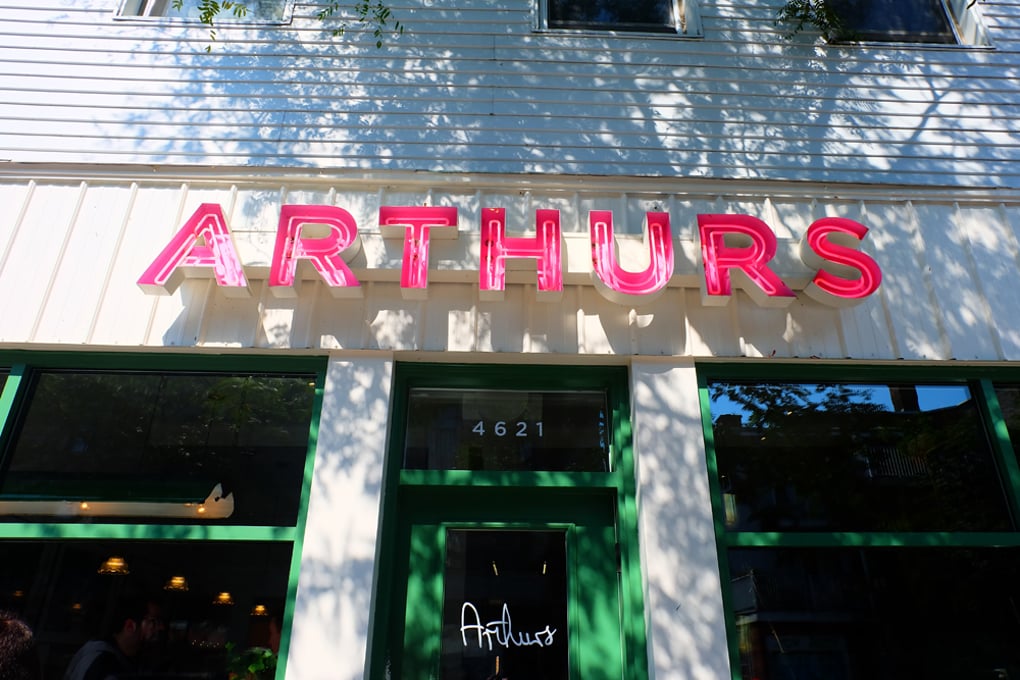
At the center of the controversy is Arthurs Restaurant, a beloved downtown bistro that has become a flashpoint after the OQLF demanded it replace “nosh” with the French equivalent, “grignotage,” on its menu. The restaurant’s refusal to comply—joined by dozens of others—has drawn sharp criticism from the watchdog, while galvanizing support from chefs who argue the term is deeply embedded in Montreal’s food culture. “This isn’t about rebellion; it’s about preserving how we talk about food in this city,” said one chef who requested anonymity, citing fear of regulatory repercussions.
The standoff reflects a broader pattern: since 2022, the OQLF has issued over 300 warnings to businesses for language violations, with restaurants and cafés accounting for nearly 40% of cases. Yet the “nosh” debate has taken on symbolic weight, pitting Quebec’s language enforcement against Montreal’s identity as a bilingual, multicultural hub where food is a unifying language of its own.
What follows is an examination of how the dispute unfolded, why it matters beyond menus, and what it reveals about Quebec’s evolving relationship with its English-speaking communities.
—
Why ‘nosh’ became the latest battleground in Quebec’s language wars
The term “nosh” has been part of Montreal’s culinary lexicon for decades, used casually in restaurants, food markets, and even official tourism materials to describe light snacks or tapas-style dishes. Its English roots make it a linguistic shortcut in a city where 70% of residents speak both French and English, according to Statistics Canada’s 2021 census. But the OQLF’s recent crackdown has framed it as a violation of Bill 101’s commercial signage rules, which require French to be the predominant language in public-facing materials.
The enforcement push gained momentum in early 2024, when the OQLF’s Director of Commercial Signage, Marie-Claude Tremblay, publicly stated that “nosh” and similar anglicisms—like “brunch” or “go” for burgers—would no longer be tolerated. “These terms are not part of Quebec’s linguistic heritage,” Tremblay told reporters, adding that alternatives like “collation” or “petit-déjeuner” should be used instead.
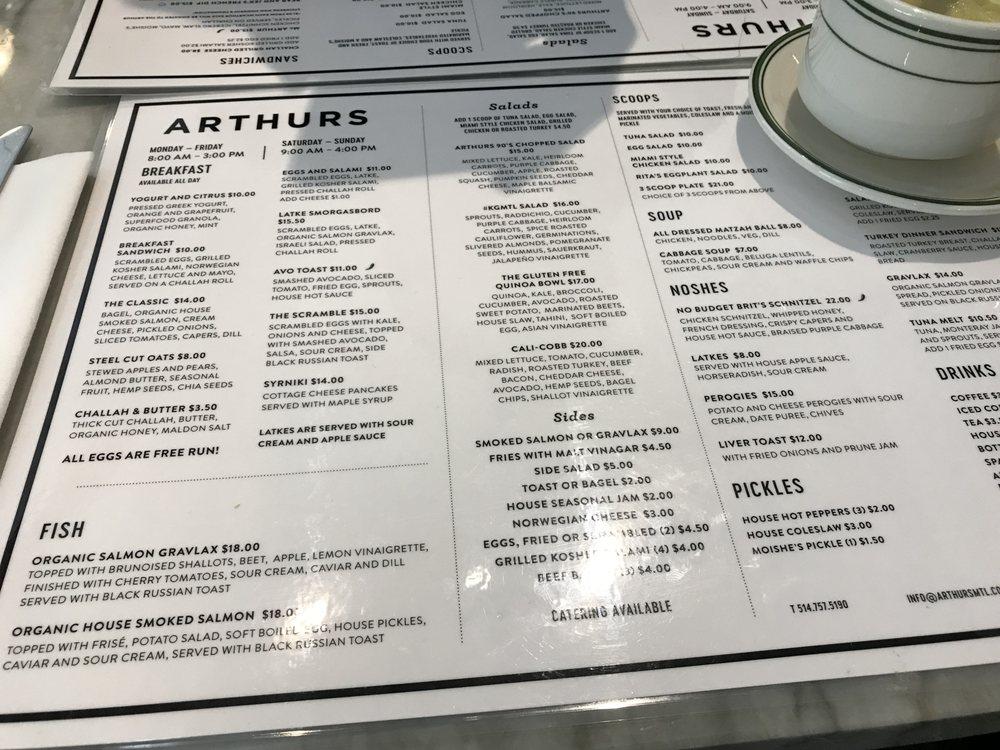
Yet the backlash was swift. Chefs and restaurateurs argue that the OQLF’s approach ignores practical realities: many Montrealers, regardless of language background, instinctively understand “nosh” as a shorthand for shared plates or small bites. “We’re not trying to exclude French speakers,” said Chef Sophie Fréchette, owner of Le Musée, who has refused to alter her menu’s use of the term. “We’re trying to keep our language alive—and ‘nosh’ is part of that.”
Key points:
- The OQLF’s target list includes 12 other anglicized food terms, from “poutine” (already French but often anglicized) to “smash” for burgers.
- Montreal’s restaurant industry generates $3.2 billion annually, with tourism accounting for nearly 30% of that revenue—many visitors expect to see familiar terms like “nosh” on menus.
- Previous clashes over language laws—such as the 2019 “burgundy” controversy, where wine lists faced scrutiny—showed how deeply these issues divide the city.
—
Who’s fighting—and why the stakes are higher than a menu word
The “nosh” dispute has split Montreal’s food community along ideological and economic lines. Supporters of the OQLF’s stance argue that strict enforcement protects French as Quebec’s primary language, while critics say the regulations stifle creativity and alienate customers.
| Stakeholder Group | Position on ‘Nosh’ | Key Argument |
|---|---|---|
| Montreal Chefs & Restaurateurs | Oppose enforcement | “Nosh” is part of Montreal’s food identity; forcing changes harms authenticity and could deter tourists. |
| OQLF & Language Advocates | Support enforcement | French must dominate commercial spaces; anglicisms undermine Quebec’s linguistic integrity. |
| Tourism Industry | Neutral but concerned | Fear of confusing international visitors; some argue bilingual menus could help bridge the gap. |
| Bilingual Montrealers | Mixed reactions | Many see it as a cultural quirk, but some younger French speakers feel excluded by persistent anglicisms. |
One of the most vocal critics is Jean-François Nadeau, a linguist and author of The French and the Future, who argues that the OQLF’s approach is “out of touch with reality.” “Montrealers have been using ‘nosh’ for 50 years,” Nadeau said in an interview. “The OQLF is treating it like a crime when it’s just part of how people communicate.”
On the other side, Simon Durivage, president of the Fédération des chambres de commerce du Québec, acknowledges the tension but warns that businesses face real consequences. “We’re not anti-French, but we can’t afford to lose customers over a word,” Durivage said. “The OQLF needs to find a middle ground.”
The dispute also highlights a generational divide. Younger French-speaking Montrealers, some of whom grew up in predominantly English schools, often use anglicisms without hesitation. A 2023 Léger poll found that 62% of Quebecers under 30 support more flexible language rules, while older generations tend to favor stricter enforcement.
—
How the ‘nosh’ crackdown fits into Quebec’s long history of language laws
The OQLF’s push to eliminate “nosh” is the latest chapter in a decades-long struggle over language in Quebec. Since Bill 101 was passed in 1977, the province has balanced its commitment to French with economic and social realities, often leading to legal battles and cultural tensions.
Past controversies offer a roadmap for how this dispute might unfold:
- 1999: The “Burgundy” Wine List Debate
The OQLF demanded that wine lists use French terms like “bordeaux” instead of English names. Restaurants pushed back, arguing it would confuse customers. A compromise was reached, allowing bilingual lists with French as the primary language. - 2012: The “Go” Burger Controversy
A fast-food chain’s use of “go” for burgers sparked outrage, leading to a $10,000 fine. The case set a precedent for how the OQLF would treat anglicisms in commercial spaces. - 2022: The “Poutine” Ruling
Despite poutine being a Quebec invention, the OQLF ruled that its English name violated language laws. The decision was later softened, allowing “poutine” alongside the French “frites au fromage et sauce brune.”
Today’s “nosh” debate shares similarities with these past conflicts, but the stakes feel higher. Montreal’s restaurant scene is a $3.2 billion industry, and any disruption risks alienating both locals and tourists. “This isn’t just about a word; it’s about whether Montreal can keep its soul,” said Chef Martin Picard, whose Au Pied de Cochon has resisted OQLF demands to alter its menu.
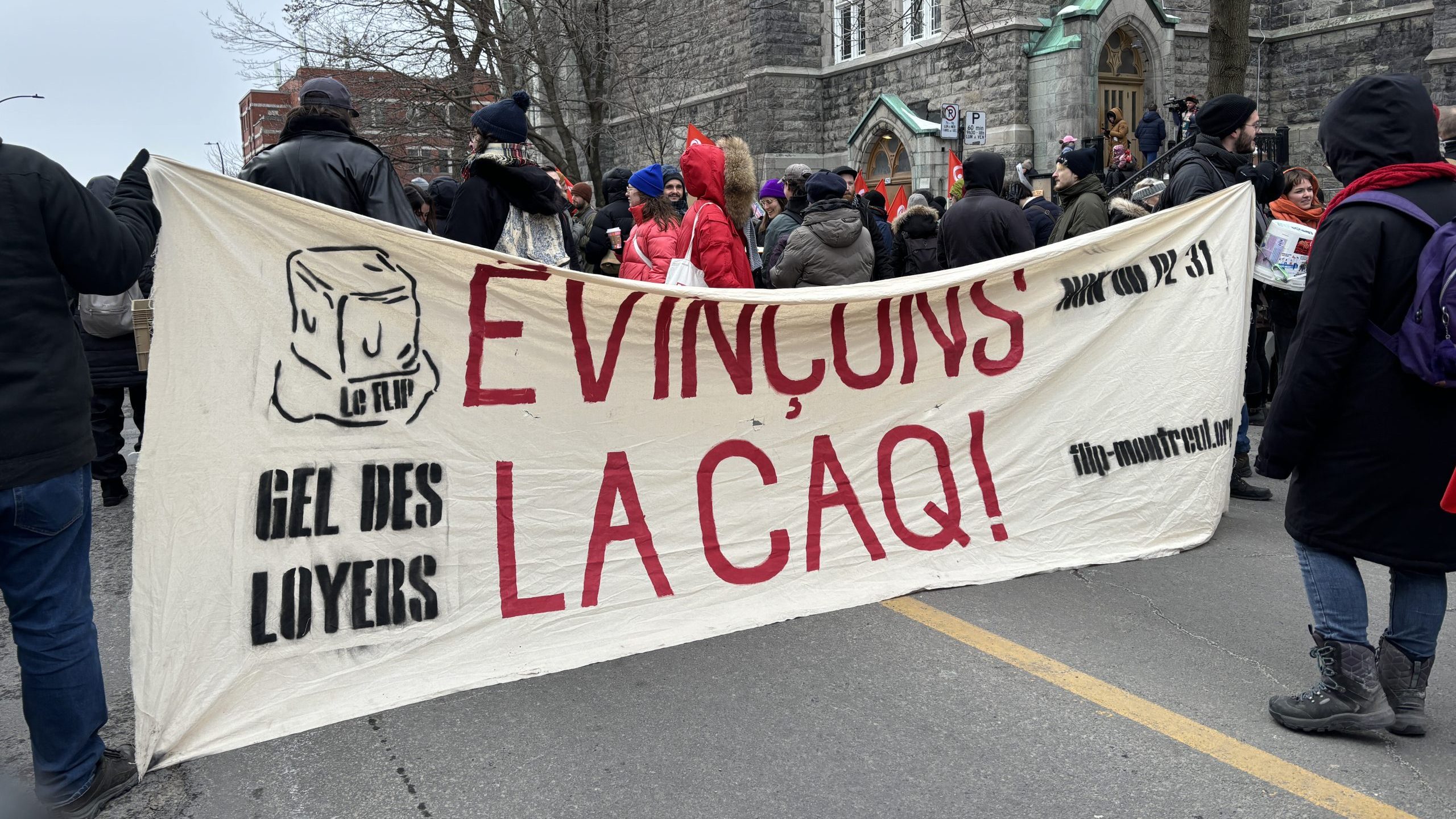
The OQLF’s approach also reflects broader political shifts. Since the Coalition Avenir Québec (CAQ) government took power in 2018, language enforcement has become more aggressive, with a 40% increase in inspections since 2020. Critics argue this is part of a larger effort to assert Quebec’s distinct identity, while supporters see it as necessary to protect French in a globalized world.
—
What happens next: Will ‘nosh’ survive—or will Montreal’s food culture change?
As of mid-2024, the OQLF has not issued fines related to “nosh,” but warnings have piled up. Some restaurants, like Schwartz’s Deli, have quietly replaced the term, while others, such as St-Viateur Bagel, have doubled down, keeping “nosh” on their menus despite repeated requests to change.
Legal experts predict the dispute could end up in court, similar to past language-law battles. “The OQLF has shown it’s willing to fight for its principles,” said Lawyer Pierre Trudeau Jr., whose firm has represented businesses in language disputes. “But the courts have also been pragmatic, recognizing that some terms are too ingrained to erase overnight.”
In the meantime, the food industry is adapting. Some chefs are introducing bilingual menus, using “nosh/grignotage” to acknowledge both languages. Others are leaning into humor, with one restaurant’s menu now listing “nosh (or ‘grignotage’ if you prefer).”
Tourism officials are watching closely. Montreal’s Tourisme Montréal has not taken a public stance but has privately expressed concern that overly strict language rules could deter visitors. “Montreal’s food scene is a major draw,” said a spokesperson who requested anonymity. “We need to find a way to preserve what makes it special.”
For now, the “nosh” debate remains unresolved, but its ripple effects are clear:
- Short-term: More restaurants may face warnings or fines, leading to a patchwork of compliance.
- Long-term: The dispute could force a reckoning over how Montreal balances language laws with its cultural identity.
- Economic impact: If tourists or locals boycott non-compliant restaurants, the OQLF may face pressure to soften its stance.
The outcome will likely hinge on three factors:
- Public opinion: Polls suggest Montrealers are divided, but younger generations may push for compromise.
- Legal challenges: If a restaurant sues the OQLF, courts could set a precedent for anglicisms.
- Economic pressure: Restaurants may lobby for flexibility if enforcement hurts their bottom line.
—
Common questions about Montreal’s ‘nosh’ controversy—and what they mean for the future
Q: Is ‘nosh’ actually illegal in Quebec?
A: Not yet. The OQLF has issued warnings but no fines for using “nosh.” However, businesses risk penalties if they refuse to comply after repeated notices. The law requires French to be the “predominant” language on commercial signs, but enforcement varies by case.
Q: Why does the OQLF target food terms specifically?
A: Food is a high-visibility sector where language use is visible to both locals and tourists. The OQLF sees it as an opportunity to reinforce French in public spaces, but critics argue it picks on restaurants because they’re an easy target.
Q: Have any restaurants been fined over ‘nosh’?
A: As of June 2024, no fines have been issued specifically for “nosh.” However, in 2022, a Montreal café was fined $1,500 for using “brunch” without a French equivalent. The OQLF has not disclosed exact penalties for “nosh” violations.
Q: Will tourists notice if ‘nosh’ disappears from menus?
A: Likely. Montreal’s food scene is a major draw, and many visitors expect to see familiar terms. A 2023 study by HEC Montréal found that 68% of international tourists said language barriers could influence their dining choices.
Q: Are there any French alternatives to ‘nosh’?
A: Yes, but none have gained widespread traction. Options include:
- Grignotage (the most common, but seen as formal)
- Collation (used in some high-end restaurants)
- Mignardises (rarely used outside of pastry contexts)
Chefs argue these terms don’t capture the casual, shared-plate connotation of “nosh.”
Q: Could this dispute lead to bigger changes in Quebec’s language laws?
A: Possibly. If the “nosh” controversy escalates, it could prompt calls for a review of Bill 101’s commercial signage rules, particularly in tourism-heavy sectors. Some lawmakers have already suggested creating exceptions for terms deeply embedded in local culture.
—
The “nosh” debate is more than a linguistic spat—it’s a microcosm of Montreal’s identity crisis. For a city that has long thrived on its bilingualism and culinary creativity, the question isn’t just whether “nosh” will survive, but whether Quebec’s language laws can adapt to a world where culture and commerce increasingly collide.
One thing is certain: the battle over menus has only just begun.
