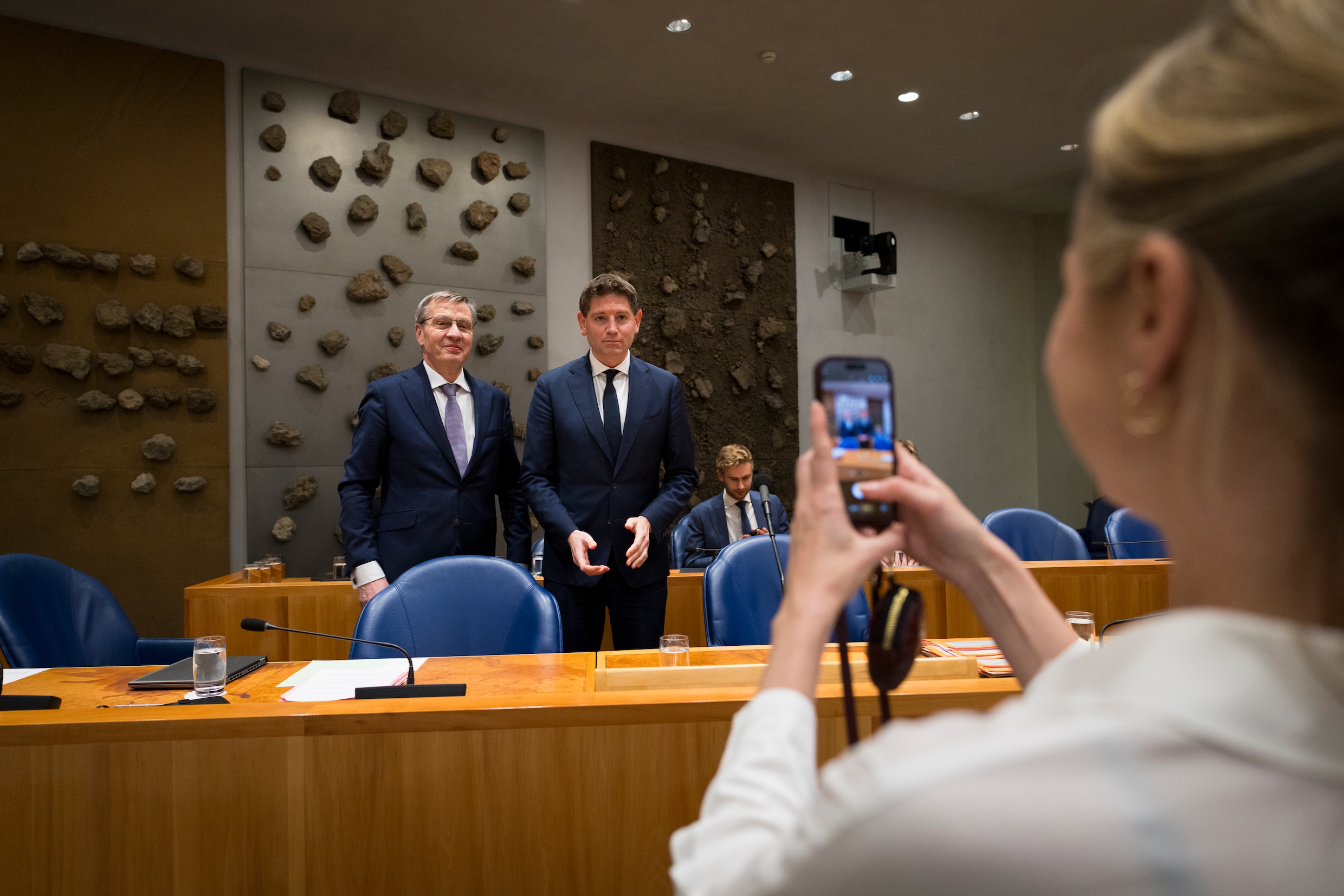
A Dutch politician has filed a legal complaint against a rival lawmaker over remarks blaming his party for global conflicts, escalating a political feud that has drawn sharp public attention in the Netherlands.
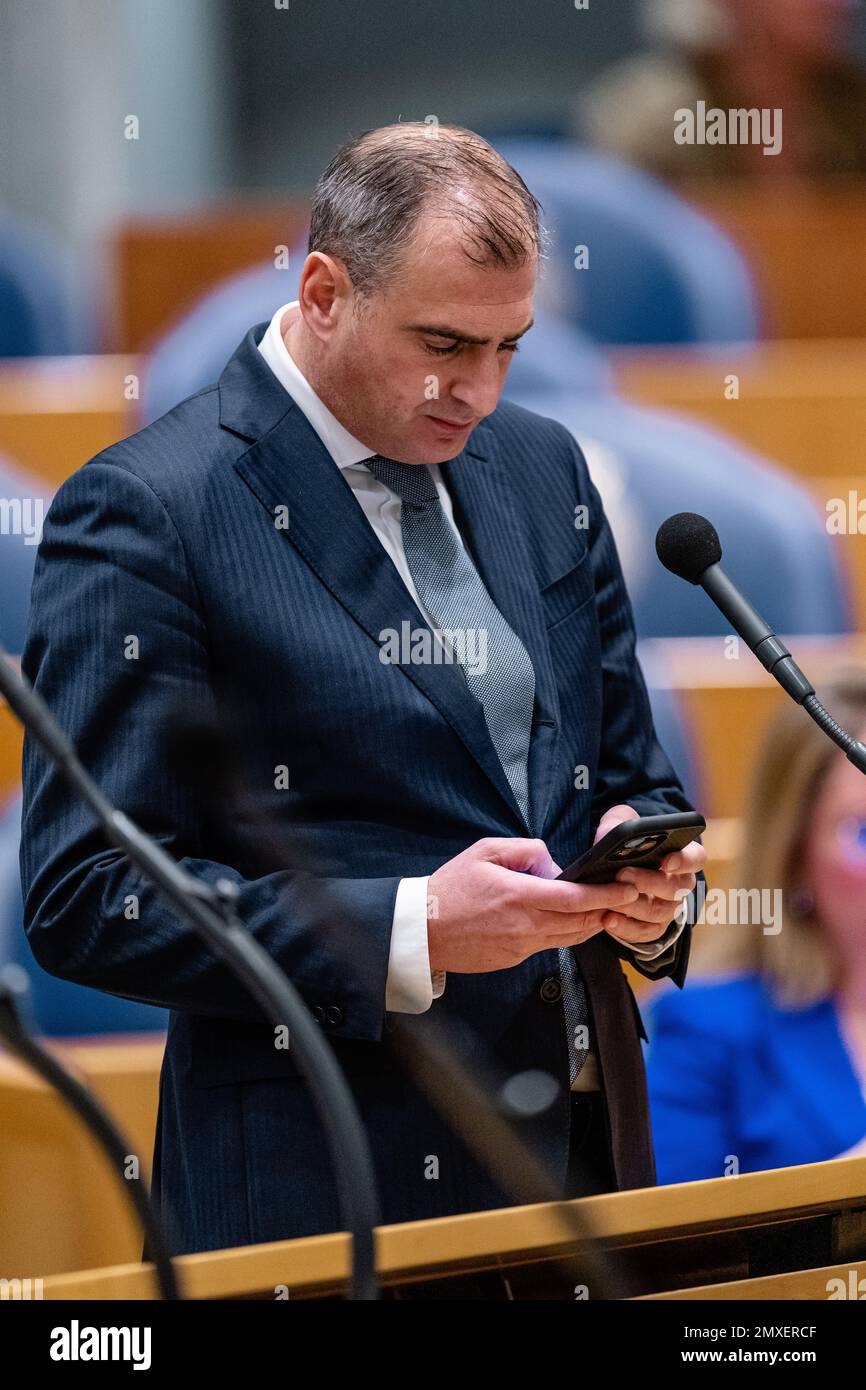
The complaint was lodged by Gidi Markuszower, a member of the far-right Partij voor de Vrijheid (PVV), against Jan Paternotte, leader of the liberal Democrats 66 (D66) party. Markuszower accused Paternotte of making defamatory statements during a parliamentary debate, where Paternotte reportedly said, “Of course the PVV bears responsibility for the wars in the world.” Paternotte later doubled down, telling local media, “He says it often—it’s not new.”
Why Is This Legal Move Significant?
The dispute centers on a broader ideological clash between the PVV, led by Geert Wilders, and D66, which has positioned itself as a counterbalance to far-right rhetoric in Dutch politics. Markuszower’s legal action—filed as a summary proceeding (kort geding), a fast-track Dutch legal process—marks the first time a politician has sought swift judicial intervention over such political statements. Legal experts say the case could set a precedent for how Dutch courts handle accusations of political responsibility in the context of international conflicts.
D66 has dismissed the complaint as politically motivated. Paternotte’s response—”He says it often”—reflects a strategy of downplaying the remarks while framing them as part of a pattern of criticism from the PVV. The party’s stance suggests it views the legal challenge as an attempt to stifle debate rather than a serious grievance.
How Dutch Courts Typically Handle Political Speech
Under Dutch law, politicians enjoy broad protections for free speech, but defamation claims can still succeed if statements are deemed false and harmful to reputation. The summary proceeding allows Markuszower to seek an urgent ruling, potentially within weeks, rather than waiting months for a full trial. This legal mechanism has been used in past political disputes, including cases involving far-right figures and accusations of incitement.
One key precedent involves a 2022 case where a Dutch court ruled against a politician who accused another of “spreading lies” about immigration policy. The judge ruled that while political speech is protected, it must not cross into personal defamation. Markuszower’s complaint hinges on whether Paternotte’s remarks about the PVV’s role in global conflicts meet that threshold.
What’s Next in the Legal Process?
If the court accepts Markuszower’s claim, it could issue an interim order requiring Paternotte to retract the statements or face penalties. However, legal observers note that Dutch courts are cautious about intervening in political debates, particularly when the statements are framed as ideological rather than personal attacks. Paternotte’s public dismissal of the complaint suggests he expects the case to fail on those grounds.
The timeline for a ruling remains unclear, but the summary proceeding process typically resolves within 6 to 8 weeks. Should the court side with Markuszower, it could embolden other politicians to use legal action against perceived slurs, potentially chilling political discourse. Conversely, a dismissal would reinforce the protections for political speech in the Netherlands.
For now, the dispute underscores the growing polarization in Dutch politics, where legal battles increasingly mirror the sharp divisions between parties on issues like immigration, climate policy, and international alliances.
