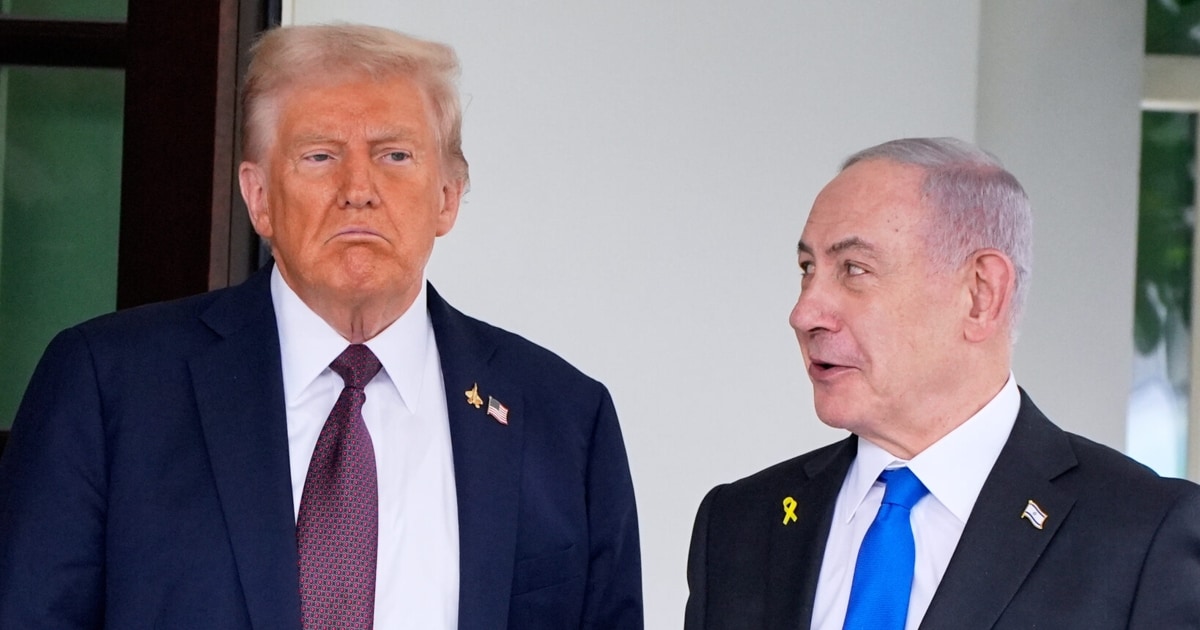
The diplomatic rupture between former allies has exposed deep fissures in U.S.-Israel relations, with former President Donald Trump publicly branding Prime Minister Benjamin Netanyahu as “crazy and ungrateful” in a sharp rebuke over Iran policy. The escalation comes as Israel presses ahead with military operations across its borders—from the Gaza Strip to Lebanon—while Trump, now a private citizen, pushes for a controversial deal with Tehran that Jerusalem opposes.
How Tensions Escalated
Trump’s outburst, captured in interviews with Austrian and German media, marked the most public break yet between the two leaders, who once shared an unusually close relationship. The former president’s comments—”Netanyahu is crazy and ungrateful”—followed weeks of behind-the-scenes friction over Trump’s reported efforts to revive the 2015 Iran nuclear deal, a framework Israel has long opposed. Netanyahu’s government has accused Trump of undermining Israel’s security interests by signaling openness to negotiations with Iran, which backs militant groups like Hezbollah in Lebanon and Hamas in Gaza.
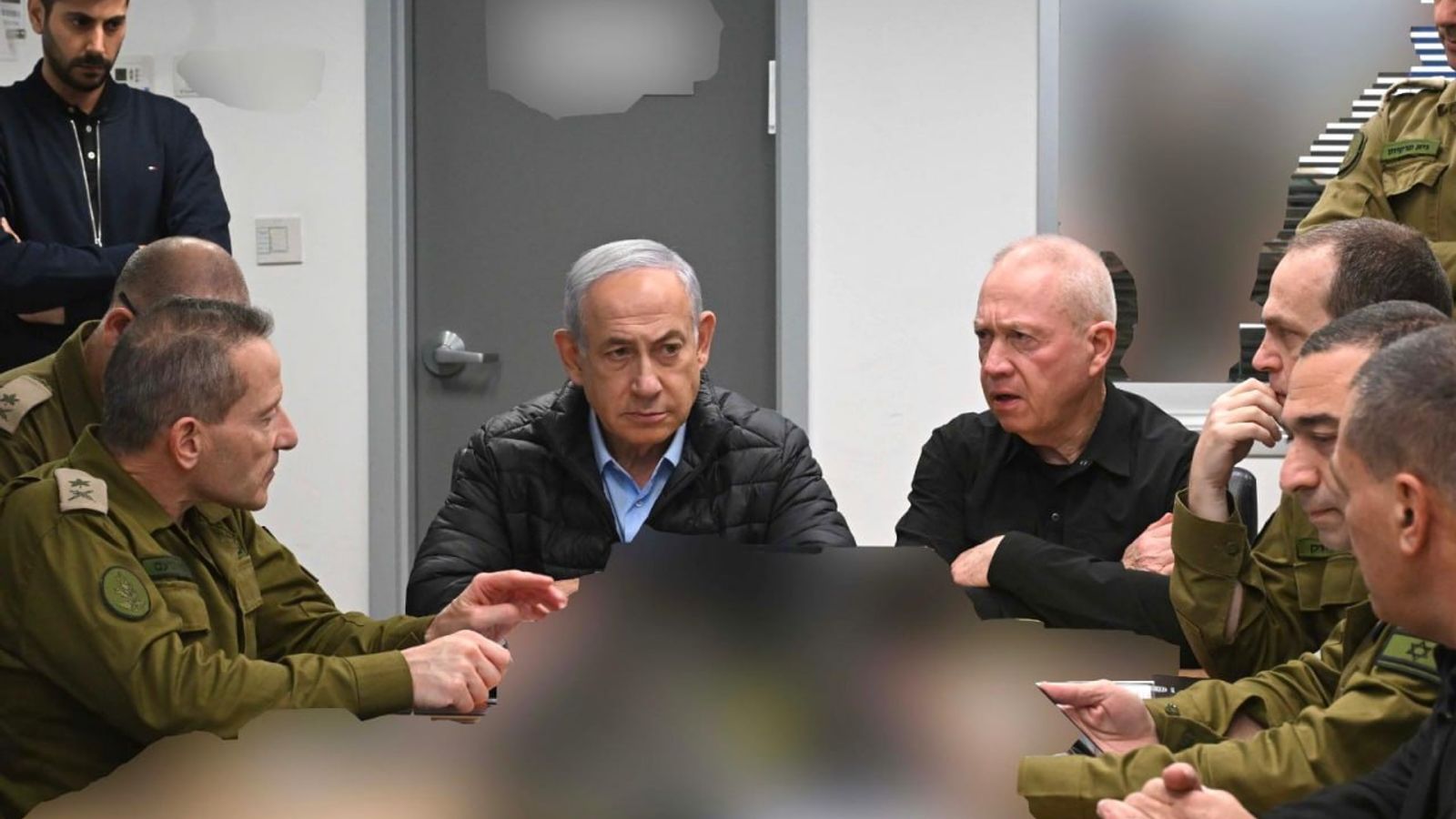
Israeli officials, including Finance Minister Bezalel Smotrich and Foreign Minister Eli Cohen, have publicly criticized Trump’s approach, calling it reckless. Meanwhile, Netanyahu’s office has remained silent on the latest remarks, though Israeli media report internal frustration over what is seen as Trump’s willingness to prioritize his political legacy over regional stability.
Regional Moves and Diplomatic Fallout
Israel’s military has intensified operations in recent days, conducting airstrikes in Syria and Lebanon while expanding its offensive in Gaza. The moves come amid heightened tensions with Iran, which has accused Israel of sabotage attacks on its nuclear facilities. In parallel, Trump has signaled support for a return to the Iran deal, framing it as a way to ease global oil prices and reduce U.S. Military commitments in the Middle East.
Yair Lapid, Israel’s opposition leader and former prime minister, directly attacked Trump’s potential deal in a statement to the Jüdische Allgemeine, warning that any agreement with Iran would “only embolden the regime and its proxies.” Lapid’s remarks reflect broader concerns in Israel that Trump’s diplomatic overtures could undermine years of covert and overt efforts to contain Iran’s regional influence.
Historical Context: A Relationship Under Strain
The rift between Trump and Netanyahu has roots in their divergent post-presidency trajectories. While Trump has sought to reclaim influence through private diplomacy, Netanyahu faces domestic pressures from hardline factions in his coalition government, which demand a tougher stance against Iran. Their alliance, forged during Trump’s presidency—marked by the 2020 Abraham Accords and U.S. Recognition of Jerusalem as Israel’s capital—now appears fragile.
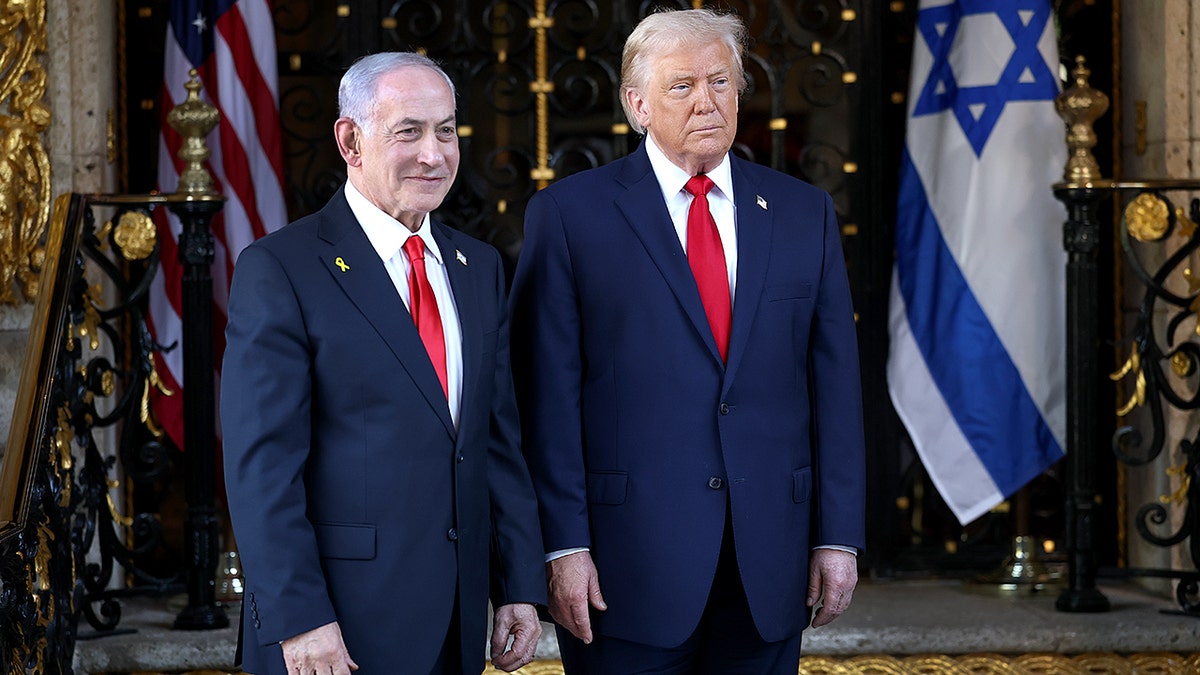
Trump’s comments also come as he positions himself for a potential 2024 rematch against President Joe Biden. His criticism of Netanyahu could resonate with American Jewish voters wary of Israel’s rightward shift, though it risks alienating a key constituency in the Republican Party.
What’s Next
With no immediate signs of reconciliation, the fallout could reshape U.S.-Israel dynamics ahead of the November 2024 U.S. Election. Netanyahu’s government is expected to continue its military operations, while Trump’s diplomatic overtures to Iran may face resistance from both Congress and Israeli allies. For now, the region remains on edge, with Israel’s neighbors closely monitoring any shifts in Washington’s stance.
