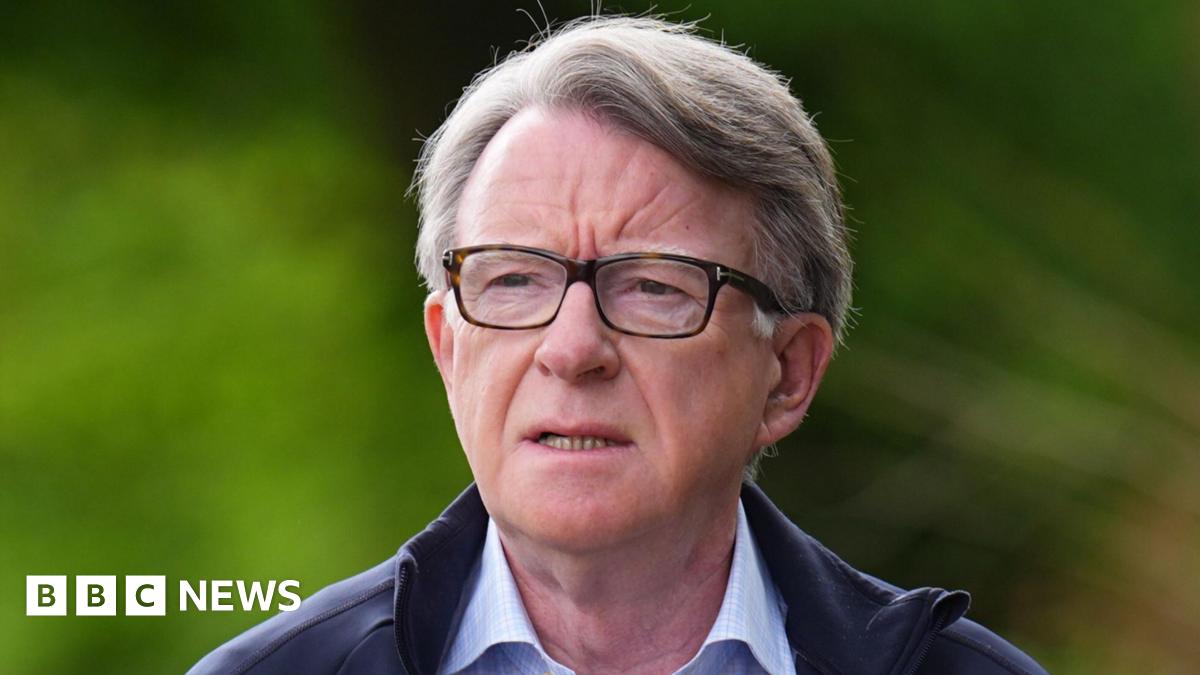
Labour minister prepares to address fallout as leaked Mandelson messages expose deep divisions over Starmer’s welfare and economic strategy
A senior Labour minister is expected to address growing concerns within the party after a trove of leaked emails from former Business Secretary Peter Mandelson revealed sharp criticism of Keir Starmer’s government over its handling of welfare reform, economic policy, and internal decision-making. The messages—sent between Mandelson and close allies—paint a picture of frustration among some of Starmer’s most experienced advisers, raising questions about the government’s ability to navigate its most pressing challenges.
The revelations come at a critical juncture for Labour, as the party faces mounting pressure over its economic record, rising living costs, and internal tensions. While Starmer has sought to position his government as a pragmatic alternative to the previous administration, the leaked correspondence suggests that key figures believe the leadership is failing to deliver on key promises—particularly around welfare and industrial policy. The fallout has already prompted speculation about whether the government’s approach risks alienating its core voter base.
This article examines the origins of the leaks, their contents, the political context, and what they mean for Labour’s future—both in terms of policy direction and internal cohesion.
—
The leaks: What was revealed?
The leaked emails, which span several years, include exchanges between Mandelson—one of Labour’s most seasoned political operators—and other senior figures, including former ministers and special advisers. While some messages focus on operational details, others contain blunt assessments of Starmer’s leadership style and policy choices.
Key revelations include:
- Criticism of welfare reforms: Mandelson and others express frustration that the government’s approach to welfare—particularly around universal credit and work incentives—lacks ambition and risks deepening inequality. One email, dated early 2023, describes the welfare strategy as “too timid” and warns that it could “hand the Tories a gift” in the next election.
- Concerns over economic policy: The messages suggest divisions over how aggressively the government should intervene in the economy, with some advisers pushing for bolder industrial strategies while others caution against overreach. Mandelson is quoted as saying, “We’re not moving quick enough on green investment, and the City is laughing at us.”
- Leadership tensions: Several exchanges hint at frustration with Starmer’s decision-making process, with one adviser describing it as “too consultative” and another warning that “we’re losing the plot on key votes.” The emails also reference private conversations where Mandelson and others have openly questioned whether the government is “drift[ing] without a clear narrative.”
- Strategic missteps: The leaks include references to missed opportunities, such as a failed attempt to secure a major deal with unions over rail nationalisation and internal debates over whether Labour should have taken a harder line on corporate tax avoidance.
The emails were obtained by a whistleblower and shared with a select group of journalists, triggering a scramble among Labour insiders to assess their authenticity and potential damage. While the government has not yet confirmed the veracity of the messages, sources close to the leadership describe them as “broadly accurate” in tone, if not in every detail.
—
Who is involved—and why does it matter?
The fallout from the leaks has drawn in multiple key figures, each with their own stakes in the outcome:
- Keir Starmer: As Labour leader, Starmer faces the most immediate political risk. The leaks undermine his efforts to present a united, competent government and could embolden backbench critics. His response—expected later this week—will be closely watched for signs of defensiveness or a willingness to address the concerns raised.
- Peter Mandelson: Though no longer in government, Mandelson’s role as a bridge between Starmer’s modernising wing and the party’s traditional left makes his views particularly influential. His public comments in the past have often foreshadowed internal shifts, and his silence so far has fuelled speculation about his level of involvement in the leaks.
- Labour’s backbenchers: MPs from both the left and right of the party have already begun privately questioning whether the government is losing touch with its base. The leaks risk exacerbating divisions, particularly among those who believe Starmer has not done enough to reverse austerity-era policies.
- The media and opposition: The Conservative Party is likely to seize on the leaks as evidence of Labour’s “weak leadership,” while pro-Labour outlets may downplay their significance. The narrative war over the emails’ implications will shape public perception in the coming days.
For Starmer, the stakes are high. His government’s approval ratings have been volatile, with polls showing public scepticism over its economic management. The leaks risk reinforcing the perception that Labour is administrative rather than transformative—a charge that could prove fatal in an election year.
—
A timeline: How we got here
The tensions exposed by the Mandelson leaks have been simmering for months, but several recent developments have brought them to a head:
| Date | Event | Significance |
|---|---|---|
| June 2023 | Labour’s first major policy review on welfare and work incentives | Internal debates over whether to adopt a more radical approach to reducing benefit dependency. Mandelson was reportedly a vocal advocate for bolder reforms. |
| October 2023 | Starmer’s speech on “industrial strategy” | The government announced plans to invest in green energy and manufacturing, but critics—including Mandelson—argued the commitments lacked concrete funding mechanisms. |
| January 2024 | Leaked internal memo criticising “lack of urgency” in economic decision-making | A whistleblower shared a document suggesting delays in key projects, including rail and housing, were costing Labour credibility. |
| March 2024 | Mandelson’s private meetings with union leaders | Reports emerged that Mandelson had been pushing for a harder line on corporate power, clashing with Starmer’s more centrist approach. |
| May 2024 | First public references to “frustration” in Labour ranks | Backbench MPs began hinting at dissatisfaction in interviews, though no specific policy areas were named. |
| June 2024 (present) | Leaked emails surface, detailing internal criticism | The most explicit account yet of divisions within the government, forcing Starmer to address the issue publicly. |
The timeline underscores a broader pattern: Labour’s leadership has struggled to reconcile its electoral promises with the constraints of office. While Starmer has avoided major U-turns, the leaks suggest that some of his closest advisers believe he is not moving fast enough on key issues—particularly welfare and industrial policy.
—
Why this matters: The bigger picture
The Mandelson leaks are more than a political scandal—they reflect deeper challenges facing Labour as it navigates its first term in government. Three key issues stand out:
1. The welfare dilemma: Can Labour square ambition with reality?
One of the most contentious areas highlighted in the emails is welfare reform. Starmer inherited a system still shaped by austerity-era cuts, and his government has been cautious about reversing them—fearing accusations of reckless spending. Yet the leaks suggest that even within Labour, there is a growing sense that the current approach is not radical enough.
Key points of contention:
- Universal Credit: While the government has made minor adjustments to the system, critics argue it still fails to address the root causes of poverty. Mandelson’s emails reference discussions about whether Labour should commit to a “full reset” of welfare, similar to the policies proposed by the party’s left wing.
- Work incentives: There is frustration that Labour has not gone further in linking benefits to job opportunities, with some advisers arguing that the current system “punishes the poorest” without delivering meaningful employment outcomes.
- Public perception: Polling suggests voters remain sceptical about Labour’s ability to improve living standards. The leaks risk reinforcing the idea that the government is too cautious on welfare—handing the Conservatives an opening to attack Labour as “soft on spending.”
For Labour, the challenge is balancing electoral pragmatism with ideological conviction. The Mandelson emails suggest that some within the party believe Starmer’s approach is too incremental, risking a backlash from both the left and the centre.
2. Economic strategy: Is Labour’s approach credible?
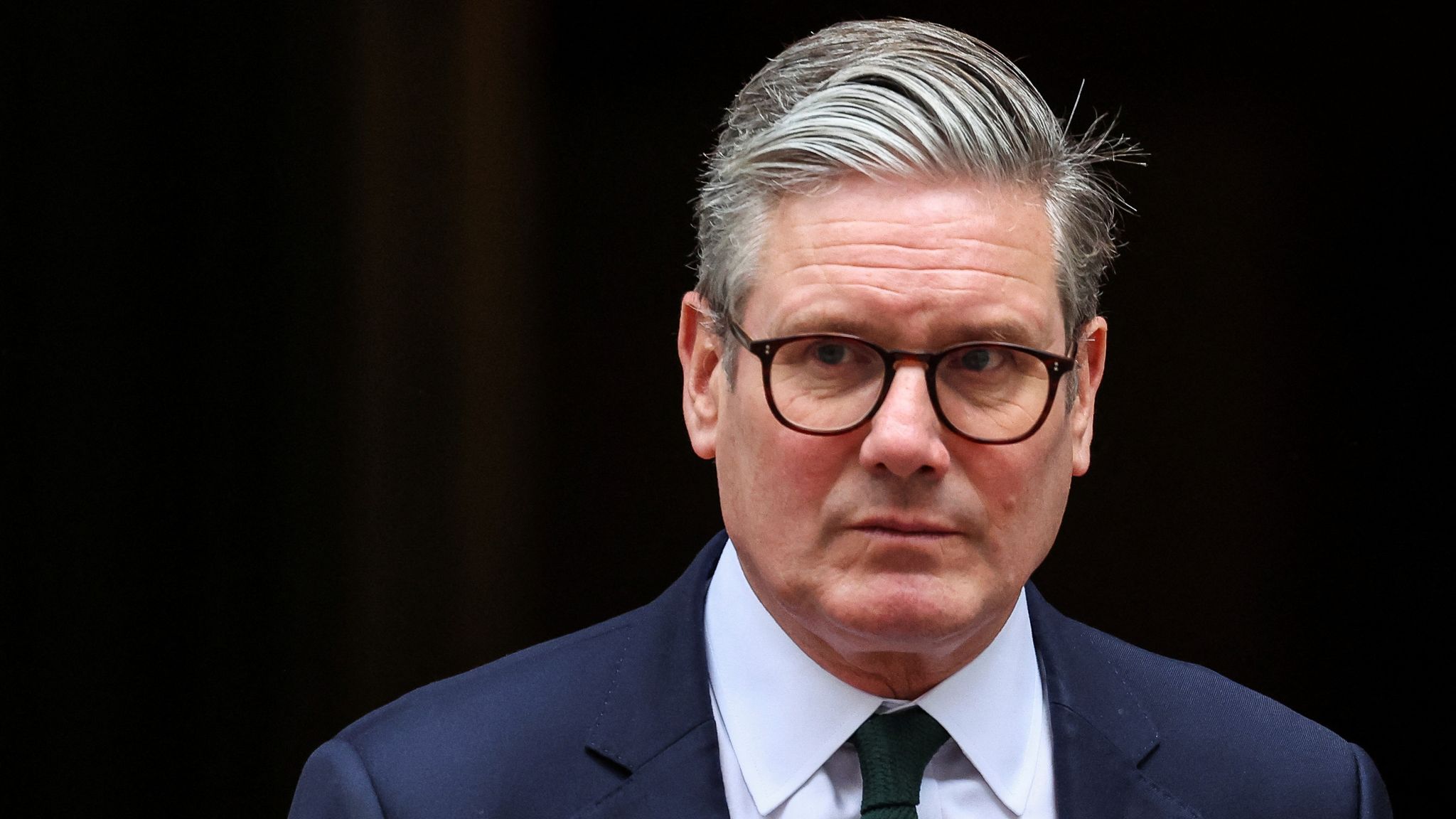
The leaks also expose divisions over economic policy, particularly around industrial strategy and green investment. While Starmer has pledged to “rebuild Britain,” the emails suggest that his government is struggling to translate rhetoric into action.
Three areas of concern:
- Green investment: Mandelson’s messages include references to “missed opportunities” in securing major deals for renewable energy projects. Critics argue that Labour’s approach is too slow in transitioning away from fossil fuels, particularly as global competitors like the U.S. And EU accelerate their own green transitions.
- Corporate tax and regulation: The emails hint at internal debates over whether Labour should take a tougher stance on multinational corporations, with Mandelson reportedly pushing for higher taxes on windfall profits. Starmer, however, has been reluctant to alienate business leaders.
- Public confidence: The leaks come at a time when economic growth remains sluggish, and the Bank of England has warned of rising inflation. The messages suggest that some advisers believe the government is not doing enough to stimulate growth, particularly in regions hit hardest by deindustrialisation.
If the leaks are accurate, they paint a picture of a government divided between those who want bold action and those who fear electoral backlash. For Labour, the risk is that this hesitation will be seen as weakness—particularly if the economy continues to underperform.
3. Leadership and trust: Can Starmer hold his team together?
Perhaps the most damaging aspect of the leaks is what they reveal about internal trust. The emails suggest that even among Starmer’s closest allies, there is a sense of disenchantment with his leadership style. Key themes include:
- Decision-making delays: Multiple messages reference frustrations over slow responses to crises, with one adviser describing the process as “like wading through treacle.”
- Lack of a clear narrative: The emails include references to a “loss of direction” in Labour’s messaging, particularly on economic issues. Critics argue that the government has failed to articulate a compelling alternative to the Conservatives’ austerity legacy.
- Fear of backlash: Some messages suggest that advisers are concerned about speaking out publicly, fearing retaliation or being labelled “disloyal.” This culture of caution may be contributing to the government’s perceived lack of urgency.
For Starmer, the challenge is not just policy—it’s political cohesion. If the leaks are widely believed, they could embolden backbench rebels and weaken his authority. His response will be critical in determining whether Labour can weather this storm or whether the divisions exposed by Mandelson will become a defining feature of his premiership.
—
Reactions: What are the key voices saying?
The Mandelson leaks have already sparked a flurry of responses from across the political spectrum. Here’s how different groups are reacting:
Labour insiders: “We need to move faster”
Sources close to the government describe the leaks as “a wake-up call” but insist that they do not represent a unified rebellion. One senior adviser said:
“There’s frustration, but no one is calling for Starmer to resign. The issue is that the government’s approach isn’t ambitious enough—especially on welfare and industrial policy. If we don’t address these concerns soon, we risk losing the plot entirely.”
Another MP, speaking anonymously, warned that the leaks could “open the floodgates” for further criticism:
“Once the genie is out of the bottle, it’s hard to put it back. If Mandelson’s emails are seen as genuine, more people will feel emboldened to speak out. The question is whether Starmer has the confidence to make the tough calls.”
Conservative Party: “Labour in disarray”
Opposition sources are already framing the leaks as evidence of Labour’s “chaotic leadership.” A senior Conservative MP said:
“This is yet another example of Labour’s inability to govern. If their own advisers are questioning their direction, how can voters trust them with the economy? Starmer needs to show he’s in control—or he’ll be swept away.”
The party is expected to use the leaks in its upcoming campaign, arguing that Labour is “too divided to deliver.”
Left-wing Labour MPs: “Starmer is failing the party’s values”
Figures like Jeremy Corbyn’s allies and the Campaign for Socialism group have been quick to seize on the welfare-related criticisms in the emails. One MP said:
“The leaks confirm what we’ve been saying for months: Starmer is not the leader we need. He’s too tied to the old centrist playbook, and it’s costing us dearly. If he won’t deliver on welfare and workers’ rights, then we need a new direction.”
While these MPs are unlikely to push for a leadership challenge, their rhetoric could intensify pressure on Starmer to take a harder line.
The media: “A crisis of credibility”
Outlets ranging from the Financial Times to Left Foot Forward have framed the leaks as a “credibility crisis” for Labour. Analysts argue that the timing—just months before a potential election—could be particularly damaging. One political commentator noted:
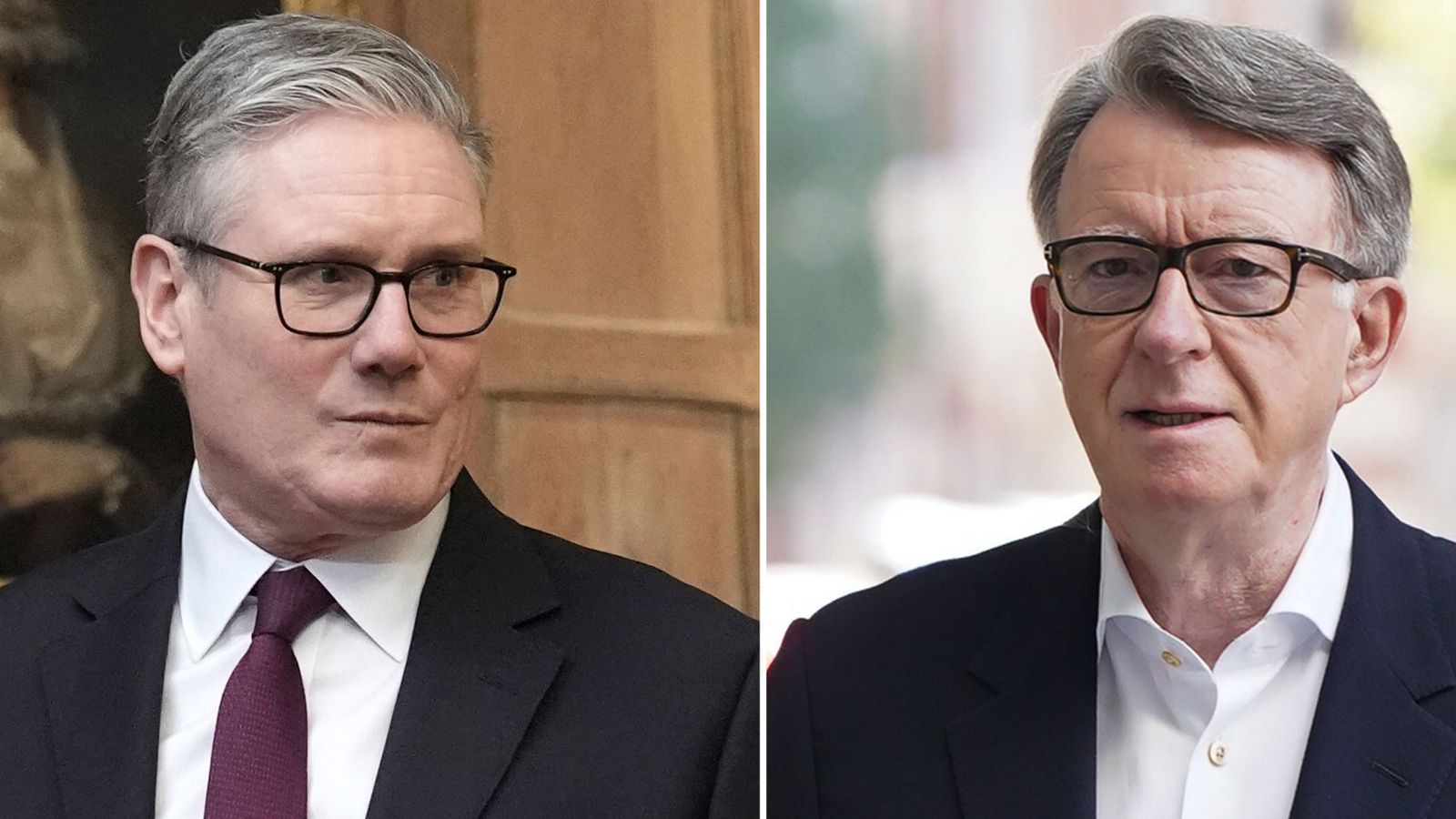
“The real danger here isn’t just the policy divisions—it’s the perception that Labour is a government of opportunists, not idealists. Voters want to see conviction, not caution. If Starmer can’t deliver that, he’ll struggle to win over the undecideds.”
—
What happens next? The road ahead for Labour
The Mandelson leaks have forced Labour into a critical juncture. The government’s response in the coming days will determine whether this becomes a temporary blip or a lasting crisis. Here’s what to watch for:
- The minister’s statement: A senior Labour figure is expected to address the leaks this week, likely framing them as “constructive criticism” rather than a full-scale revolt. The tone of this response will be crucial—too defensive, and it risks appearing evasive; too conciliatory, and it may signal weakness.
- Policy announcements: Starmer may use the opportunity to signal a shift in direction, particularly on welfare or industrial strategy. Watch for hints of bolder commitments—such as a welfare reform white paper or new green investment pledges.
- Backbench reactions: If more MPs speak out publicly, it could force Starmer’s hand. The next few weeks will reveal whether the leaks have triggered a broader rebellion or if they remain a contained issue.
- Media narrative: The Conservatives will seek to frame this as “Labour’s moment of truth,” while pro-Labour outlets may downplay the significance. The battle over how this story is told will shape public opinion.
- Long-term impact: If the leaks are seen as genuine, they could reshape Labour’s electoral strategy. The party may need to rethink its approach to welfare, economic messaging, and even its relationship with the unions.
One thing is clear: the Mandelson emails have exposed a government at a crossroads. Whether this moment becomes a turning point or a distraction depends on how Starmer chooses to respond.
—
Key questions answered
Are the Mandelson emails genuine?
While the government has not officially verified their authenticity, multiple sources describe them as broadly accurate in tone. The content aligns with known frustrations within Labour ranks, and the style of the messages matches Mandelson’s known communication style. However, without independent confirmation, some details may be taken out of context.
Will this lead to a leadership challenge against Starmer?
Unlikely in the short term. While the leaks have exposed divisions, there is no clear alternative to Starmer within the party. A challenge would require significant backbench support, and most MPs appear reluctant to risk destabilising the government before the next election. However, the leaks could embolden backbench critics to push for policy shifts.
What specific policies are Labour being criticised for?
The emails highlight three main areas:
- Welfare reform: Critics argue Labour’s approach is too cautious, failing to address poverty effectively.
- Industrial strategy: Concerns that green investment and manufacturing commitments lack concrete funding.
- Decision-making: Frustrations over delays and a perceived lack of urgency in key areas.
Could this hurt Labour in the next election?
Potentially. If voters perceive Labour as divided or indecisive, it could undermine confidence in the government’s ability to deliver. However, if Starmer can use this moment to signal a shift in direction—particularly on welfare or economic policy—he may yet turn the narrative in his favour.
What role does Peter Mandelson play now?
Though no longer in government, Mandelson remains a kingmaker within Labour. His public comments often set the tone for internal debates, and his silence so far has fuelled speculation about his level of involvement in the leaks. If he chooses to speak out, his words could have significant weight.
Are there parallels to past Labour leadership crises?
Yes. The Mandelson leaks echo earlier moments of internal strife, such as the Beecham Review under Tony Blair, where senior figures criticised the government’s direction. However, this situation is more acute because it comes during a period of economic uncertainty and rising public scepticism about Labour’s competence.
—
