
World Peatland Day 2026: Why the Hidden Carbon Sinks Beneath Our Feet Are Critical to Climate Solutions
Every June 2, the world pauses to recognize World Peatland Day—a global observance that shines a spotlight on one of Earth’s most underappreciated yet vital ecosystems. Beneath the surface of swamps, bogs, and wetlands lies a complex network of peatlands, which store more carbon than all the world’s forests combined. Yet despite their outsized role in climate regulation, these fragile landscapes face unprecedented threats from land-use changes, climate change itself, and human activity. This year’s observance arrives at a critical juncture, as scientists warn that the fate of peatlands could determine whether the world meets its climate goals—or falls short.
Peatlands are not just carbon vaults; they are biodiversity hotspots, natural water filters, and buffers against extreme weather. Yet their management remains a contentious issue, with no single approach proving universally effective. As policymakers, conservationists, and local communities grapple with how best to protect these ecosystems, the stakes could not be higher. What follows is an exploration of why World Peatland Day matters, the science behind these ecosystems, and the challenges—and opportunities—that lie ahead.
—
The Science Behind Peatlands: Nature’s Carbon Time Capsules
Peatlands are formed over centuries—or even millennia—through the gradual accumulation of partially decomposed plant material in waterlogged conditions. This process creates a dense, spongy layer of peat that can stretch dozens of meters deep in some regions. What makes peatlands unique is their ability to store carbon far more efficiently than other ecosystems. While forests absorb carbon through photosynthesis, peatlands lock it away in the form of peat, effectively removing it from the atmosphere for centuries or longer.
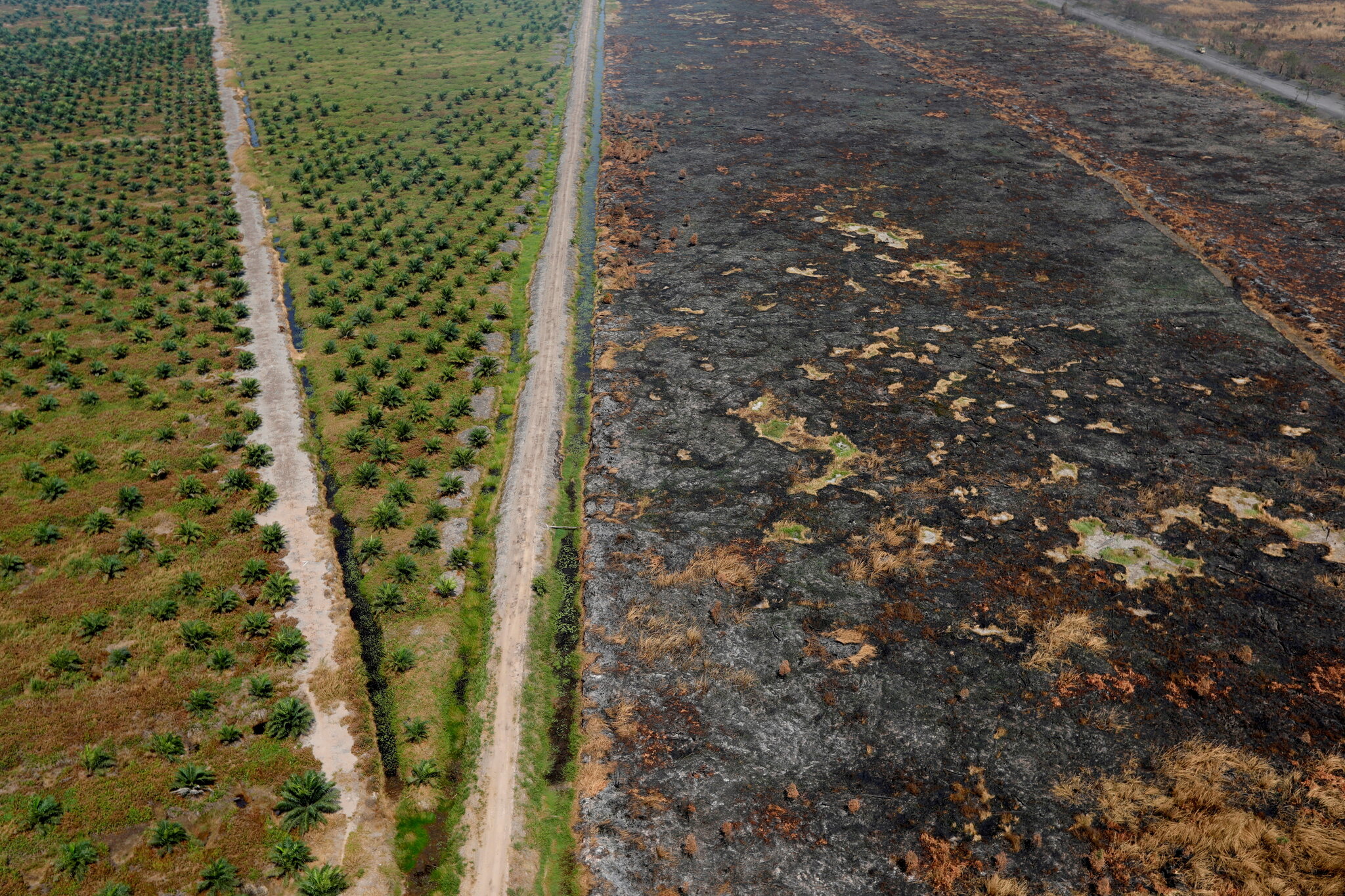
According to recent studies, peatlands cover just 3% of the world’s land surface, yet they hold roughly one-third of all soil carbon. When undisturbed, they act as carbon sinks, absorbing more carbon dioxide than they release. However, when drained, burned, or converted for agriculture, peatlands become major sources of greenhouse gases. The release of stored carbon from degraded peatlands is estimated to contribute up to 5% of global emissions—more than all the world’s cars, trucks, and airplanes combined.
Key Facts About Peatlands:
- Carbon Storage: A single square meter of peatland can store up to 1,000 kilograms of carbon.
- Biodiversity: Peatlands support rare species like the bog orchid, crossbill birds, and specialized insects.
- Water Regulation: They act as natural sponges, reducing flood risks and purifying water supplies.
- Climate Sensitivity: Warming temperatures accelerate peat decomposition, turning these sinks into sources of carbon.
Yet despite their importance, peatlands remain one of the most misunderstood ecosystems. Many people associate them with marshes or swamps, but peatlands can also be found in cold, high-latitude regions like Siberia, Canada, and the northern United States, as well as tropical areas such as Indonesia and the Congo Basin. Each type faces distinct threats and requires tailored conservation strategies.
—
World Peatland Day 2026: A Call to Action Amid Growing Crises
This year’s World Peatland Day arrives as scientists and policymakers confront a sobering reality: the window to protect these ecosystems is narrowing. A decade-long study by researchers at the University of York, published in 2023, found that no single management method—such as burning, mowing, or leaving peatlands unmanaged—works universally. Instead, the approach must be tailored to the specific conditions of each peatland, balancing carbon storage, biodiversity, and water management goals.
The study highlighted that burning and mowing tiny patches of heather-dominated peatlands can increase vegetation diversity and support the growth of sphagnum moss, which is critical for peat formation. However, these methods must be carefully managed to avoid unintended consequences, such as habitat loss for ground-nesting birds or soil erosion. The research underscored that unmanaged peatlands can become overgrown with heather, reducing biodiversity and altering water flow, while poorly executed management can accelerate carbon release.
Why This Year’s Focus Matters:
- Accelerated Degradation: Climate change is drying out peatlands, making them more vulnerable to fires and decomposition.
- Policy Gaps: Many countries lack clear regulations on peatland protection, leaving them exposed to industrial and agricultural encroachment.
- Indigenous Knowledge: Indigenous communities have long managed peatlands sustainably, yet their traditional practices are often overlooked in conservation efforts.
- Economic Incentives: Peatlands can be valuable for tourism, carbon credits, and sustainable agriculture—but only if managed responsibly.
This year’s observance is also a moment to reflect on the global disparities in peatland protection. While countries like Finland and Sweden have made strides in restoring degraded peatlands, tropical nations such as Indonesia and Malaysia continue to face pressure from palm oil and logging industries. In the United States, peatlands in states like Minnesota and Florida are threatened by urban sprawl and drainage for agriculture.
—
Who Stands to Gain—or Lose—from Peatland Protection?
The fight to save peatlands is not just an environmental issue; This proves a battle for economic, social, and political interests. Different stakeholders have competing priorities, often leading to conflicts over land use.
Key Players in the Peatland Debate
1. Scientists and Conservationists: Scientists argue that peatlands must be prioritized in climate mitigation strategies. Organizations like the Global Peatland Initiative and the International Union for Conservation of Nature (IUCN) advocate for policies that protect these ecosystems. Their research shows that restoring even a fraction of degraded peatlands could significantly reduce global emissions.
2. Indigenous Communities: In many parts of the world, Indigenous peoples have stewarded peatlands for generations using traditional knowledge. For example, in Canada’s boreal forests, the Cree and Dene nations have long used controlled burns to maintain healthy peatland ecosystems. Yet their rights to manage these lands are often challenged by industrial interests.
3. Agricultural and Industrial Sectors: Companies involved in palm oil, paper pulp, and mining see peatlands as valuable resources. In Indonesia, for instance, vast areas of peatland have been drained for oil palm plantations, leading to catastrophic fires and carbon emissions. While some corporations are adopting sustainable peatland management practices, others resist regulation, citing economic costs.
4. Governments and Policymakers: National governments hold the power to enact laws that protect peatlands, but their priorities vary. Some, like the Netherlands, have invested heavily in peatland restoration, while others lag behind due to budget constraints or political will. The United Nations’ Sustainable Development Goals (SDGs), particularly SDG 13 (Climate Action) and SDG 15 (Life on Land), provide a framework for peatland conservation, but implementation remains uneven.
5. Local Communities: Rural communities often depend on peatlands for water, food, and livelihoods. In Scotland, for example, peatland restoration projects have created jobs in eco-tourism and carbon offset markets. However, poorly planned conservation efforts can displace locals or restrict their access to traditional resources.
—
Case Study: Peatland Management in the United States
While much of the global focus on peatlands centers on tropical and boreal regions, the United States also hosts critical peatland ecosystems, particularly in the northern states. Wyoming, for instance, is home to unique peatlands in its high-elevation wetlands, though they are less studied than their counterparts in Alaska or the Pacific Northwest.
In Wyoming, peatlands play a crucial role in water filtration and carbon storage, yet they face threats from climate change, agriculture, and energy development. While the state does not have dedicated peatland protection policies, universities like the University of Wyoming are conducting research on sustainable land management practices. Their work aligns with broader efforts to integrate peatland conservation into state and federal climate strategies.
Challenges in Wyoming:
- Limited Funding: Most peatland research in the U.S. Is funded by federal grants, leaving state-level initiatives under-resourced.
- Lack of Awareness: Many landowners and policymakers do not recognize the value of peatlands beyond their immediate economic uses.
- Climate Adaptation: Rising temperatures and shifting precipitation patterns are altering peatland ecosystems, requiring new management approaches.
Despite these challenges, Wyoming offers a model for how states can balance economic development with conservation. For example, the Wyoming Community College Commission has partnered with local colleges to train students in sustainable land management, including peatland restoration techniques. This approach not only protects the environment but also creates local jobs and fosters community engagement.
—
Misconceptions and Myths About Peatlands
Despite their critical role in climate regulation, peatlands are often misunderstood. Here are some common myths—and the facts behind them:
Myth 1: “Peatlands Are Just Swamps—They Don’t Need Special Protection.” Reality: While peatlands can resemble swamps, they are far more complex. Their unique soil chemistry, waterlogged conditions, and slow decomposition processes make them distinct from other wetlands. Protecting them requires specialized knowledge and policies.
Myth 2: “Burning Peatlands Is Always Harmful.” Reality: Controlled burns can be beneficial in some cases, particularly in heather-dominated peatlands, where they promote biodiversity and sphagnum moss growth. However, uncontrolled fires—like those in Indonesia—can release massive amounts of carbon and destroy habitats.
Myth 3: “Peatlands Are Only Important in Cold Climates.” Reality: Tropical peatlands, such as those in the Congo Basin and Southeast Asia, store just as much carbon as their boreal counterparts. Their degradation has global implications for climate change.
Myth 4: “Restoring Peatlands Is Too Expensive.” Reality: While restoration projects require upfront investment, they can generate long-term benefits, including carbon credits, improved water quality, and enhanced biodiversity. Many cost-effective methods, such as rewetting drained peatlands, have been proven successful.
—
What’s Next for Peatland Conservation?
As World Peatland Day 2026 draws to a close, the question remains: What steps can be taken to ensure these ecosystems are protected in the decades ahead? Experts point to several key actions:
1. Strengthening Global Policies: International agreements, such as the Paris Climate Accord and the Kunming-Montreal Global Biodiversity Framework, must include stronger commitments to peatland protection. Countries should adopt national peatland strategies, similar to those in place in Finland and Sweden.
2. Investing in Science and Technology: More research is needed to understand how peatlands respond to climate change and different management practices. Advances in satellite monitoring and AI-driven modeling can help track peatland health in real time.
3. Empowering Indigenous and Local Communities: Indigenous knowledge must be integrated into conservation efforts. Programs that support Indigenous land stewardship, such as those in Canada and Australia, have shown promising results.
4. Creating Economic Incentives: Carbon credit markets and sustainable tourism can provide financial rewards for peatland conservation. For example, the Wetlands International organization has developed payment schemes that compensate landowners for protecting peatlands.
5. Public Awareness and Education: Many people remain unaware of the importance of peatlands. Campaigns like World Peatland Day play a crucial role in raising public awareness and mobilizing support for conservation efforts.
—
Frequently Asked Questions About World Peatland Day and Peatland Conservation
Q: What is World Peatland Day, and why does it matter? A: World Peatland Day, observed on June 2, is a global initiative to raise awareness about the importance of peatlands in climate regulation, biodiversity, and water management. It matters because peatlands store vast amounts of carbon and support unique ecosystems, yet they are often overlooked in conservation efforts.
Q: How do peatlands help fight climate change? A: Peatlands act as carbon sinks, absorbing and storing carbon dioxide for centuries. When healthy, they remove more carbon from the atmosphere than they release. However, when drained or burned, they become major sources of greenhouse gases.
Q: Are all peatlands the same? A: No, peatlands vary widely by region. Boreal peatlands in Canada and Siberia are cold and dominated by sphagnum moss, while tropical peatlands in Indonesia and the Congo Basin are warm and rich in peat-forming plants like palm trees.
Q: Can peatlands be restored once they are degraded? A: Yes, but restoration requires careful planning. Methods include rewetting drained peatlands, planting native vegetation, and implementing controlled burns. Successful restoration projects have been documented in Europe and North America.
Q: What are the biggest threats to peatlands? A: The primary threats include drainage for agriculture, logging, mining, urban development, and climate change. Fires, both natural and human-caused, also release stored carbon and damage habitats.
Q: How can individuals help protect peatlands? A: Individuals can support peatland conservation by advocating for strong environmental policies, reducing their carbon footprint, and supporting organizations that work on peatland restoration. Choosing sustainable products, such as palm oil certified by the Roundtable on Sustainable Palm Oil (RSPO), can also help.
—
As the world grapples with the challenges of climate change, peatlands offer a powerful tool for mitigation and adaptation. World Peatland Day serves as a reminder that the solutions to our environmental crises often lie beneath the surface—in ecosystems we have long taken for granted. The choices made today will determine whether these hidden carbon vaults continue to safeguard our planet for generations to come.
For readers interested in further exploration, consider diving into related explainers on sustainable land management or the role of Indigenous knowledge in conservation.
