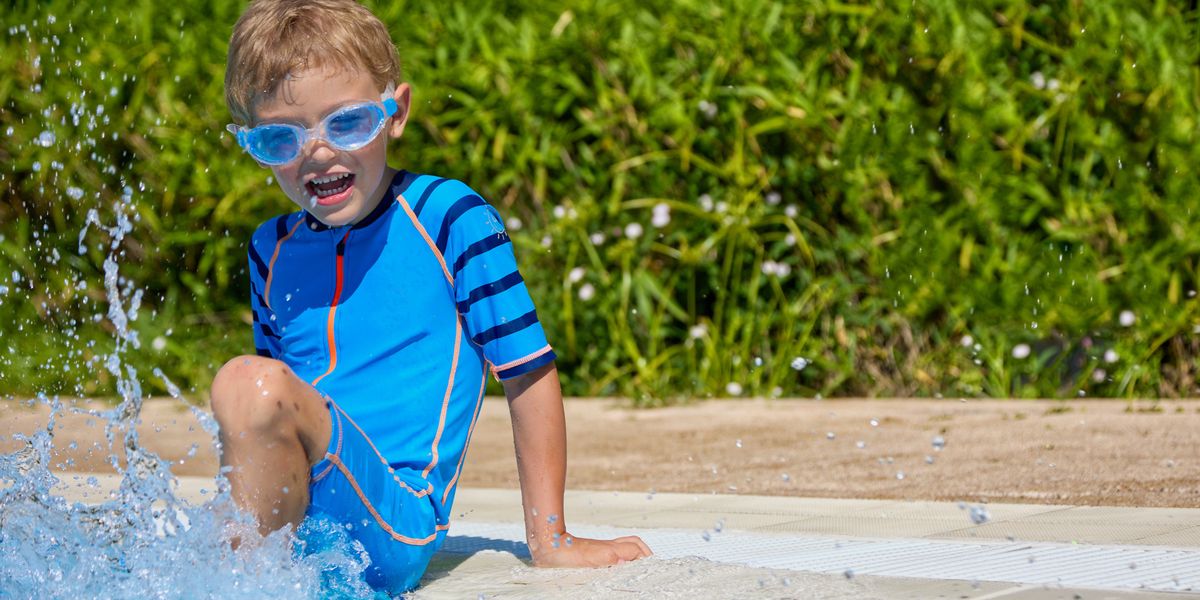
A new legal debate has surfaced in Switzerland’s Geneva, where a controversial ban on “covering swimwear”—including protective UV clothing for children—has sparked questions about public policy, personal freedom, and even basic sun safety. The so-called burkini law, now extended to municipal pools, has left swimmers, parents, and legal experts weighing whether the rules prioritize cultural norms over practical health concerns.
What’s Behind Geneva’s Ban on Protective Swimwear?
Geneva’s city council recently expanded its existing restrictions on “covering swimwear” to include all public pools, effectively prohibiting attire like burkinis, long-sleeve rash guards, and even UV-protective clothing for children. The move follows a 2023 law that initially targeted full-body swimsuits, framed as a measure to maintain “neutrality” and “secularism” in public spaces. Yet critics argue the policy ignores the very real need for sun protection, particularly for young swimmers or individuals with sensitive skin.
While neighboring cities like Le Locle have explicitly rejected similar bans—choosing instead to allow covering swimwear—Geneva’s stance has drawn sharp attention. Local media reports highlight confusion among parents and swimmers, some of whom were caught off guard when lifeguards enforced the rules during recent pool visits. One Geneva resident, quoted in Swiss news outlets, described the enforcement as “absurd,” noting that her child’s UPF-rated swimwear—designed to prevent sunburn—was deemed unacceptable.
A Clash of Priorities: Public Health vs. Cultural Policy
The debate underscores a broader tension in European cities, where burkini bans have historically been justified as efforts to uphold secularism or “French laïcité.” Yet Geneva’s extension of the rule to all covering swimwear—including those marketed for sun protection—has reframed the conversation. Health advocates point out that prolonged sun exposure, even in overcast climates, poses risks, particularly for children.
According to public statements from Geneva’s city council, the policy remains focused on “neutrality” in public pools, though officials have not explicitly addressed whether medical or safety exemptions will be granted. Meanwhile, the city’s decision contrasts with other Swiss municipalities, where local governments have explicitly rejected such restrictions, citing individual freedom and practical concerns.
How Are Swimmers Reacting?
Social media has become a battleground for the issue, with parents sharing photos of their children in UV-protective gear alongside messages like, “Is this really about sun safety or something else?” Some have framed the ban as a slippery slope, warning that it could lead to broader restrictions on functional swimwear, including rash guards or even long-sleeve swim shirts.

Legal experts suggest the policy may face challenges under Swiss constitutional protections for religious freedom and personal autonomy. Yet for now, swimmers in Geneva are left navigating a system where sun protection and cultural norms appear to be at odds.
What Happens Next?
Geneva’s city council has not announced plans to revisit the policy, though local advocacy groups have signaled they may challenge the rules in court. In the meantime, parents and swimmers are advised to check pool-specific guidelines—some facilities may enforce the ban more strictly than others. The outcome of this debate could set a precedent for how Swiss cities balance public health, cultural policies, and individual rights in shared spaces.
