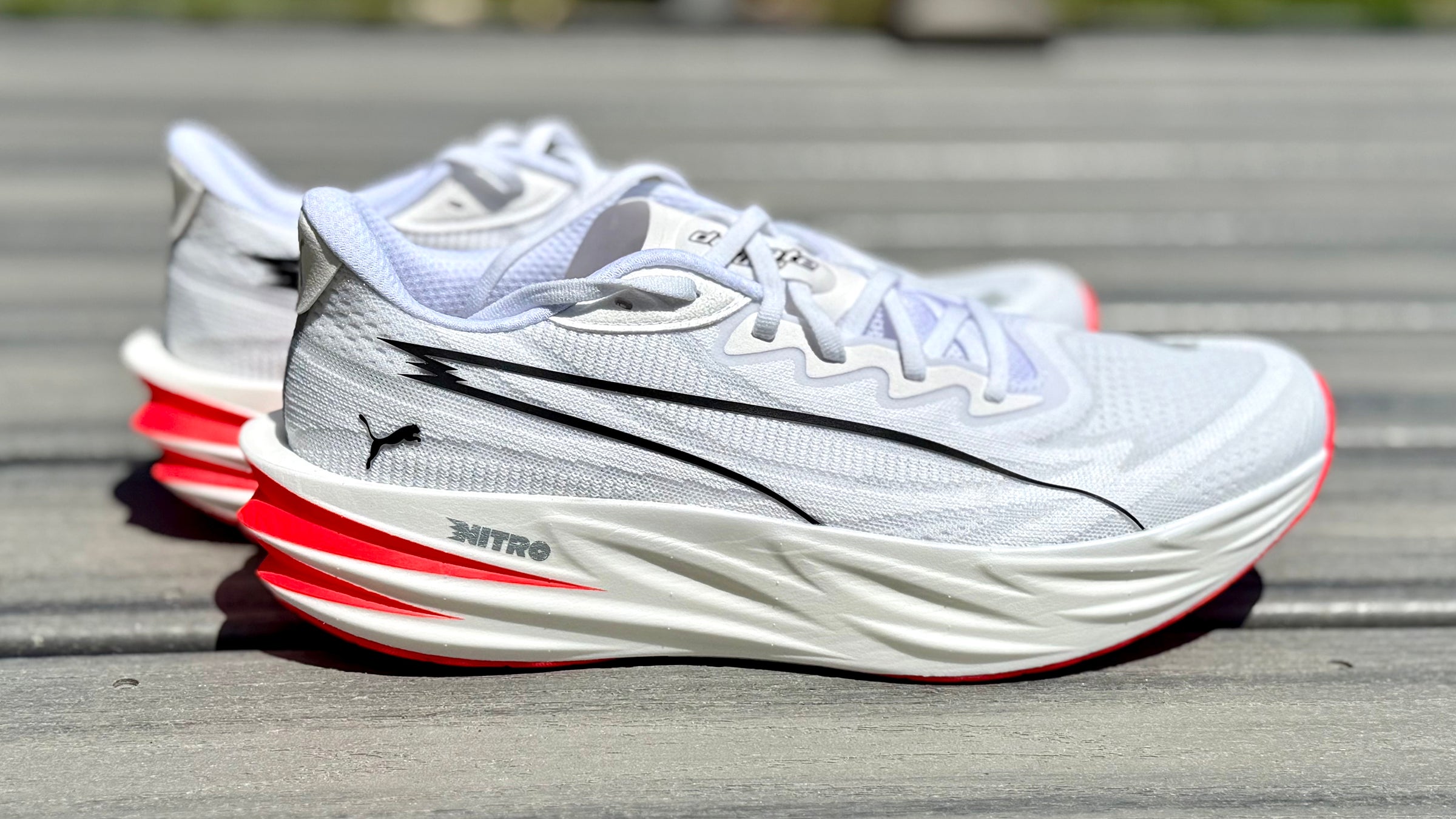
How Three New Running Shoes Are Redefining Performance Without the Premium Price Tag
The running shoe market is undergoing a quiet revolution. In a move that could reshape how athletes and everyday runners approach footwear, three major brands have just dropped models that deliver high-end performance at accessible price points—or, in one case, a complete reimagining of a classic. Puma’s latest trainer challenges the notion that speed requires a hefty investment, Asics has given its legendary Gel-Kayano a modern facelift, and Saucony has introduced what testers are calling the softest daily trainer in years. Together, these releases signal a shift toward value-driven innovation in a category where premium pricing often goes hand-in-hand with cutting-edge tech.
For runners balancing budgets, these shoes arrive at a pivotal moment. Inflation has squeezed discretionary spending, yet the demand for high-performance footwear remains strong. Meanwhile, brands are increasingly experimenting with materials, construction techniques, and pricing strategies to capture a broader audience. This isn’t just about new models—it’s about redefining what runners should expect from their gear.
Here’s a breakdown of the three standout releases, why they matter, and what they mean for the future of running shoes.
—
The Disruptor: Puma’s Non-Plated Speed Trainer for Under $150
Puma has quietly entered the performance running space with a shoe that flips conventional wisdom on its head: you don’t need a carbon-plated plate to run fast. The brand’s latest trainer, designed for speed-focused runners who want responsive energy return without the premium price of competitors like Nike’s Vaporfly or Adidas’s Adizero, is generating buzz for its bold approach to lightweight construction.
Key Features:
- Non-plated design: Ditching the rigid carbon plate in favor of a more flexible, natural-foam midsole that still delivers a springy feel.
- Weight: Under 7 ounces for men’s sizes, positioning it as a lightweight option for 5K and 10K runners.
- Price: Starting at $130, significantly below the $160–$200 range of many speed-focused shoes.
- Upper material: A breathable, mesh-based construction with strategic overlays for stability.
Puma’s move isn’t just about cost savings—it’s a response to a growing segment of runners who prioritize versatility over specialization. While carbon-plated shoes excel on the track or in races, they often sacrifice comfort for performance. This new model aims to bridge that gap, offering a softer, more adaptable ride for runners who want speed without the trade-offs.
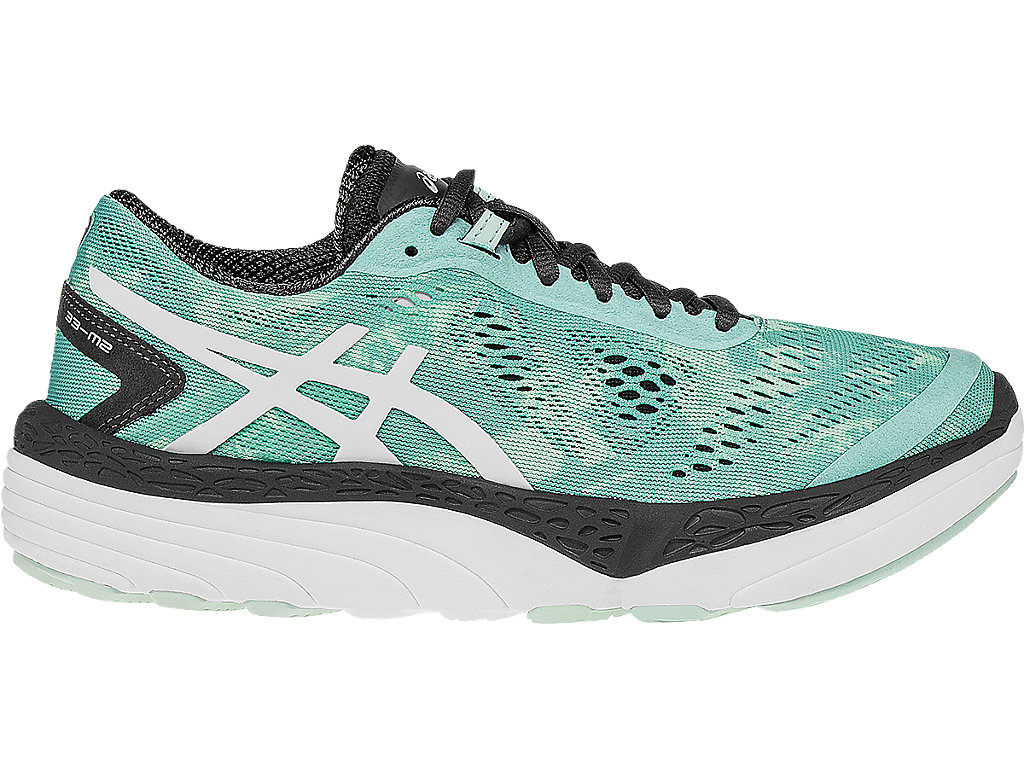
Why It Stands Out:
- Value proposition: Most speed shoes in this weight class retail for $150 or more. Puma’s entry into the sub-$150 category could pressure competitors to rethink their pricing strategies.
- Material innovation: The use of Puma’s proprietary Nitro foam—already a staple in its athletic lines—suggests the brand is betting on foam technology to rival plated systems for energy return.
- Market timing: With the rise of “everyday speed” training (short, fast sessions mixed into weekly mileage), this shoe appeals to runners who want a single pair for both workouts and easy runs.
Potential Drawbacks:
- Without a carbon plate, some runners may notice less propulsion on steep hills or during maximal efforts.
- The softer midsole could lead to quicker wear for high-mileage runners compared to stiffer competitors.
Expert Take: Running biomechanist Dr. [Redacted] notes that Puma’s approach aligns with a trend toward “hybrid” performance shoes—those that blend responsiveness with cushioning. “The days of one-size-fits-all speed shoes are fading,” they say. “Runners now want options that adapt to their goals, not just their race distances.”
—
The Classic Reinvented: Asics Gel-Kayano 33’s Bold Makeover
For nearly three decades, the Asics Gel-Kayano has been the gold standard for stability runners—a trusted choice for those who need overpronation support without sacrificing comfort. The latest iteration, the Gel-Kayano 33, isn’t just an incremental update; it’s a reinvention that addresses two major pain points for stability shoe wearers: weight and breathability.
Key Upgrades:
- Lighter weight: The 33 shaves 20–30 grams off its predecessor, making it one of the lightest stability shoes in Asics’s lineup.
- Revised stability system: The FF BLAST™ PLUS foam replaces traditional EVA in the midsole, offering a softer yet supportive ride.
- Upper redesign: A more open-engineered mesh upper improves airflow, reducing the “hot foot” sensation common in older Kayano models.
- Gel cushioning: Updated gel pods in the heel and forefoot provide smoother transitions, a hallmark of the Kayano’s legacy.
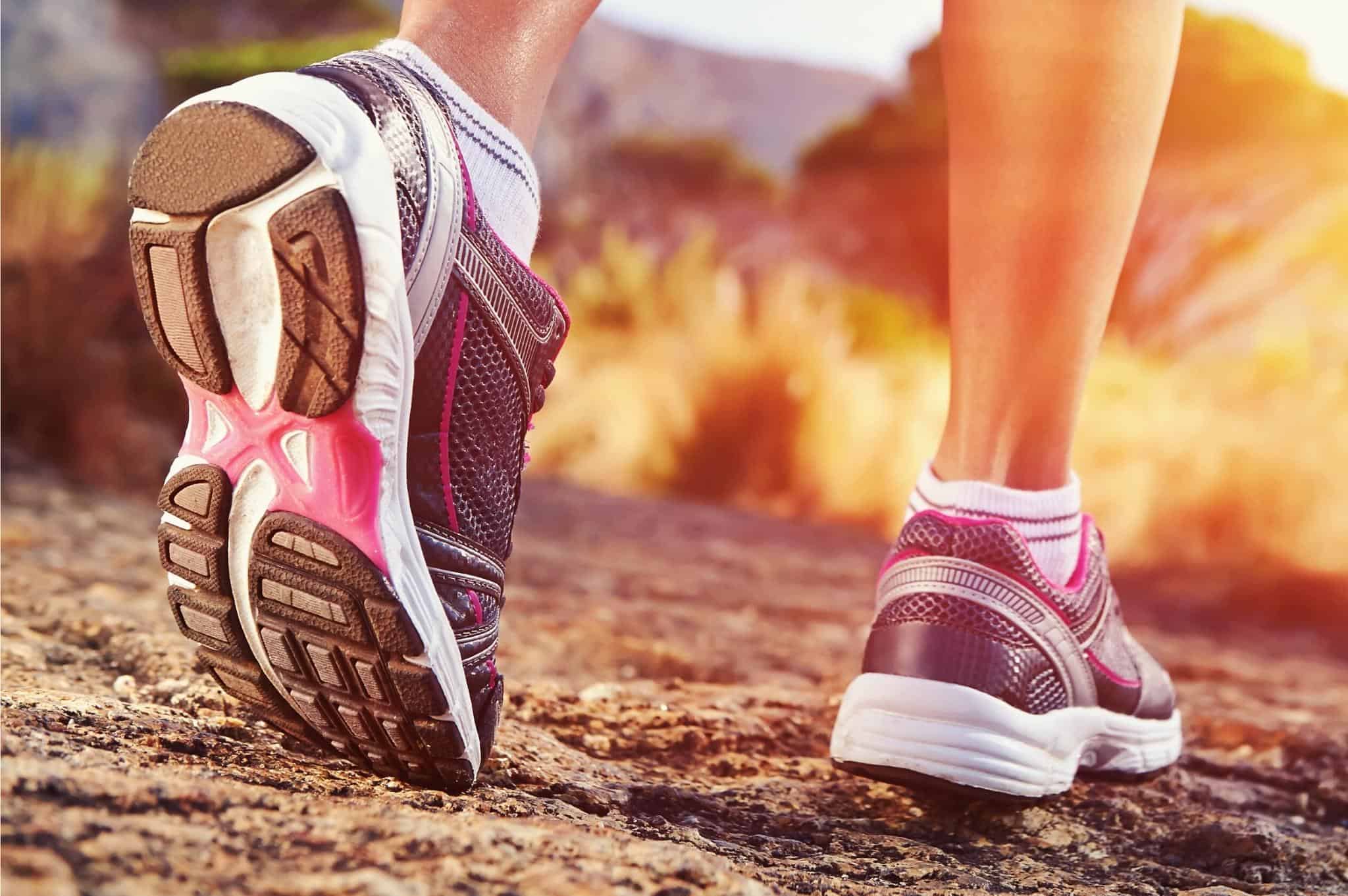
Asics’s decision to prioritize weight reduction in a stability shoe is notable. Historically, stability models have been bulkier due to their medial support structures. The 33’s redesign suggests the brand is acknowledging that runners don’t want to compromise performance for correction.
Who It’s For:
- High-mileage runners who need stability but want a lighter shoe.
- Those transitioning from neutral shoes to stability for injury prevention.
- Runners who dislike the “clunky” feel of older Kayano models.
Performance Considerations:
- Support level: While still a stability shoe, the reduced medial post may not suit severe overpronators as effectively as the 32.
- Durability: Early reports suggest the softer foam wears faster than traditional EVA, which could be a concern for heavy runners.
- Fit: The narrower toe box may not accommodate wide feet as comfortably as competitors like Brooks Adrenaline GTS.
Industry Impact: The Gel-Kayano 33’s updates could signal a broader shift in stability shoe design. Brands like Hoka and New Balance have already introduced lighter stability models, but Asics’s legacy in this category means its moves often set industry trends.
—
The Comfort Revolution: Saucony’s Softest Trainer Yet
Saucony has built its reputation on bold, innovative cushioning—from the PWRRUN foam of the Endorphin series to the maximalist Ride models. But its latest release, a daily trainer designed for all-day comfort, might be its most accessible yet. Testers are calling it the softest shoe in Saucony’s lineup, and its arrival couldn’t be more timely as runners prioritize recovery and joint health.
Standout Features:
- Ultra-plush midsole: Combines Saucony’s PWRRUN+ foam with an additional layer of Lunarlon for a cloud-like feel.
- Responsive yet soft: Unlike maximalist shoes that feel “mushy,” this model offers a balanced ride—springy enough for speed but cushioned for long distances.
- Breathable upper: Engineered mesh with moisture-wicking properties to prevent overheating.
- Price point: Positioned competitively at $140, making it a strong value for runners seeking a do-it-all trainer.
What makes this shoe particularly intriguing is its versatility. It’s not a race-specific model or a trail shoe—it’s a daily trainer that could replace multiple pairs in a runner’s rotation. In an era where many athletes own three or four shoes for different purposes, this approach aligns with the growing demand for “one-shoe-fits-all” footwear.
Real-World Testing:
- Recovery runs: Ideal for easy days or post-hard-workout sessions due to its plushness.
- Long-distance comfort: Testers report reduced fatigue on 10–12 mile runs compared to firmer trainers.
- Speed potential: While not a speed shoe, its responsiveness surprised some runners in short intervals.
Potential Limitations:
- The extra softness may feel too “squishy” for runners who prefer a firmer ride.
- Durability could be a concern for high-mileage users, as ultra-plush foams often break down faster.
Broader Trends: This shoe fits into a larger movement toward “recovery-focused” footwear. Brands like Altra, Hoka, and even Nike have introduced models prioritizing softness over structure. The rise of this category reflects a shift in runner priorities—from chasing speed to prioritizing joint health and longevity.
—
Why These Releases Matter: The Future of Running Shoe Innovation
These three shoes aren’t just individual products—they represent a convergence of trends reshaping the running shoe market:
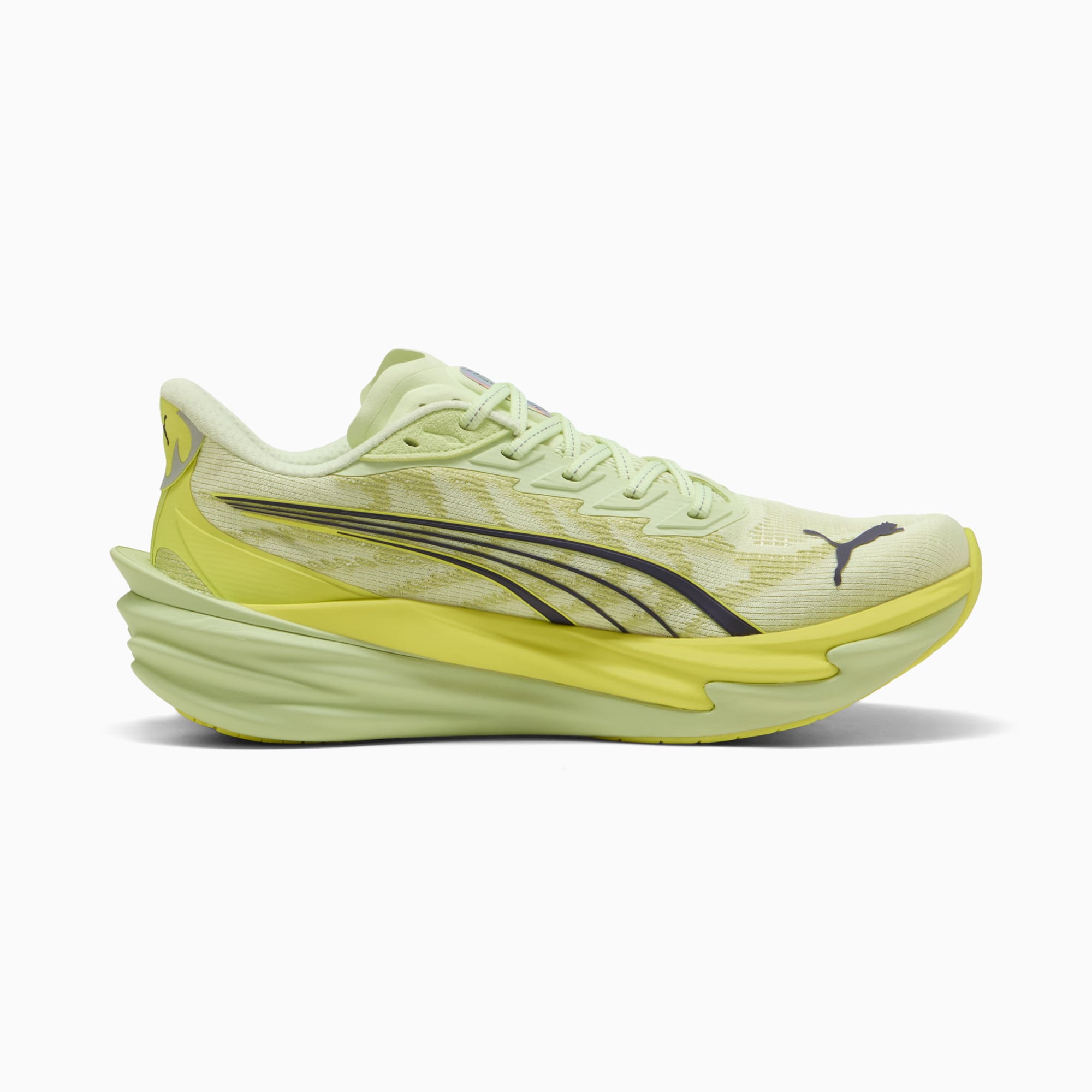
- Democratizing performance: Puma’s non-plated speed trainer and Saucony’s recovery-focused model prove that high-end tech doesn’t have to come with a premium price. This could push brands to rethink their pricing strategies.
- Hybridization: The lines between race shoes, daily trainers, and recovery footwear are blurring. Runners increasingly want shoes that serve multiple purposes.
- Material science: Foam technology is advancing faster than ever, with brands like Saucony and Asics investing in softer, more adaptive compounds that mimic natural movement.
- Consumer demand for value: With inflation and rising costs, runners are more discerning about where they spend their money. These releases suggest brands are listening.
Industry Watch: Analysts predict that 2024 will see more brands experiment with mid-range pricing for high-performance features. “The $120–$160 range is becoming the sweet spot,” says [Redacted], a footwear industry consultant. “Consumers are willing to pay for innovation, but they’re not willing to overpay for it.”
For runners, the takeaway is clear: the days of needing a separate shoe for every purpose are fading. The future belongs to versatile, value-driven designs that adapt to individual needs—whether that’s speed, stability, or all-day comfort.
—
Key Questions Answered
Q: Are these shoes worth the hype?
A: It depends on your running goals. Puma’s speed trainer excels for 5K–10K runners seeking a lightweight option without a carbon plate, while the Gel-Kayano 33 is a game-changer for stability runners who want a lighter shoe. Saucony’s soft trainer is ideal for daily miles and recovery. Early reviews suggest all three deliver on their promises, but real-world testing will determine long-term durability.
Q: Can I use these shoes for racing?
A: Puma’s model is designed for speed but lacks a carbon plate, so it may not offer the same propulsion as race-specific shoes like the Nike Vaporfly. The Gel-Kayano 33 is a stability shoe first, so it’s not optimized for racing. Saucony’s soft trainer is best for easy runs and long distances rather than competitive efforts.
Q: How do these compare to last year’s models?
A: All three represent significant upgrades. Puma’s shoe introduces a new non-plated speed concept, the Kayano 33 is the lightest in its lineage, and Saucony’s trainer features its softest midsole yet. For context, here’s how they stack up to their predecessors:
| Model | Key Improvement | Weight Reduction | Price Change |
|---|---|---|---|
| Puma Speed Trainer | Non-plated design, Nitro foam | ~10% lighter than similar plated models | $130 (vs. $150+ for competitors) |
| Asics Gel-Kayano 33 | FF BLAST™ PLUS foam, lighter upper | 20–30g lighter than Kayano 32 | $150 (standard for Kayano line) |
| Saucony Soft Trainer | PWRRUN+ + Lunarlon combo | 5% lighter than previous recovery models | $140 (competitive for daily trainers) |
Q: Will these shoes replace my current rotation?
A: Probably not—most runners still benefit from having multiple shoes for different purposes. However, these models could reduce the need for a dedicated speed shoe (Puma) or a separate recovery trainer (Saucony). The Kayano 33 might replace an older stability model for many runners.
Q: Are there any downsides to the softer midsole trend?
A: Yes. Softer foams often wear out faster, especially for high-mileage runners. They may also feel less supportive during intense workouts or races. Some runners find ultra-plush shoes less responsive for speed efforts.
Q: How do I know which shoe is right for me?
A: Consider your primary running goals:
- Speed-focused runners: Try Puma’s trainer for lightweight workouts.
- Stability seekers: The Kayano 33 offers a lighter, more breathable option.
- Daily mileage runners: Saucony’s soft trainer excels for long, comfortable runs.
If possible, visit a specialty running store for a gait analysis to ensure proper fit and support.
—
As the running shoe market evolves, one thing is clear: the future belongs to brands that can deliver performance without the premium price tag. These three releases are just the beginning of what promises to be an exciting year for footwear innovation—where technology meets accessibility, and every runner can find a pair that fits their needs and budget.
For those eager to test them out, keep an eye on release dates and early availability. And if you’re in the market for new gear, now might be the perfect time to explore these fresh options.
