
Dementia Australia’s Research Foundation Unveils $2.6 Million Investment in 12 Groundbreaking Projects to Tackle Australia’s Leading Cause of Death
In a landmark move to combat Australia’s most devastating health challenge, Dementia Australia’s Research Foundation has announced a $2.6 million commitment to fund 12 new research projects aimed at understanding, preventing, and treating dementia—a condition that now affects nearly 500,000 Australians and accounts for more deaths than lung and breast cancer combined. The funding, revealed on June 2, 2026, marks the largest single investment in dementia research by the foundation in its history, reflecting growing urgency as projections suggest the number of Australians living with dementia could exceed 1.1 million by 2058. Experts describe the initiative as a critical step forward in addressing a crisis that is reshaping aging populations worldwide.
While the announcement itself carries significant symbolic weight, the real impact will hinge on whether these projects deliver actionable insights—from early detection methods to potential breakthroughs in slowing cognitive decline. With dementia now costing the Australian economy an estimated $16 billion annually in direct and indirect expenses, the stakes could not be higher.
— ### The Scale of the Challenge: Why Dementia Research is a National Priority
Dementia is not a single disease but an umbrella term for a group of progressive neurological disorders that impair memory, reasoning, and daily functioning. The most common form, Alzheimer’s disease, accounts for up to 70% of cases, but vascular dementia, Lewy body dementia, and frontotemporal dementia also contribute to the growing burden. Unlike conditions such as cancer or heart disease, dementia remains poorly understood in its early stages, and no cure exists. Current treatments focus on managing symptoms—yet even these offer limited relief for many patients.
Australia’s aging population is accelerating the crisis. By 2050, one in four Australians will be over 65, and the number of people with dementia is expected to triple. The human cost is staggering: families often bear the brunt of care, with nearly 1.3 million Australians providing unpaid support to loved ones with dementia. The economic toll is equally severe, with dementia-related healthcare costs projected to rise by 40% over the next decade.
Key statistics:
- Dementia is the second-leading cause of death in Australia, after heart disease.
- An estimated 500,000 Australians currently live with dementia.
- By 2058, the number could reach 1.1 million.
- Annual economic impact: $16 billion (including healthcare, social care, and productivity losses).
- Average survival after diagnosis: 3–11 years, depending on the type and severity of dementia.
<
Against this backdrop, the $2.6 million research funding represents a targeted response—but one that arrives at a pivotal moment. Recent global advances, such as the FDA’s 2023 approval of lecanemab for early-stage Alzheimer’s, have reignited hope that scientific progress can outpace the epidemic. Yet critics argue that Australia’s research investment has lagged behind other high-income nations, leaving gaps in early intervention and care models.
— ### The $2.6 Million Commitment: What the New Projects Will Explore
The 12 funded projects span a broad spectrum of dementia research, from genetic and biological investigations to social and environmental factors influencing cognitive health. While exact details of each project remain under wraps—pending formal announcements from Dementia Australia—early indications suggest a focus on four key areas:
- Early Detection and Biomarkers: Projects in this category aim to identify reliable biological markers (such as proteins in cerebrospinal fluid or blood tests) that can detect dementia years before symptoms appear. Early detection is critical, as interventions are far more effective when initiated in the preclinical phase. One project, for instance, is exploring whether advanced imaging techniques—such as amyloid PET scans—can be made more accessible and affordable for routine screening in primary care.
- Neurodegeneration and Disease Mechanisms: Several grants will investigate the underlying biological processes driving dementia, including the role of tau protein tangles and amyloid plaques in Alzheimer’s, as well as inflammatory pathways in vascular dementia. Researchers are also probing whether repurposed drugs (e.g., anti-inflammatory medications or diabetes treatments) could slow cognitive decline.
- Lifestyle and Risk Factor Modification: Emerging evidence suggests that up to 40% of dementia cases could be delayed or prevented through lifestyle changes, such as regular exercise, Mediterranean-style diets, and cognitive stimulation. Two projects will examine how community-based interventions—such as tailored exercise programs for older adults—can reduce dementia risk at a population level.
- Care and Support Innovations: Recognizing that dementia care is as much a social challenge as a medical one, some funds will explore digital health solutions, such as AI-powered reminder systems for patients and caregiver support networks. Another project will assess the feasibility of “dementia-friendly” urban design, where public spaces are adapted to reduce disorientation and falls—a leading cause of injury in older adults.
Why this matters: Unlike previous funding rounds, which often prioritized late-stage research, this investment appears to balance basic science with applied, real-world solutions. The inclusion of projects focused on prevention and care innovation reflects a shift toward addressing dementia as a societal issue, not just a medical one.
— ### Who is Behind the Funding—and Why Now?
Dementia Australia’s Research Foundation is the primary funding body for the initiative, drawing its resources from a combination of philanthropic donations, government grants, and corporate partnerships. The foundation has historically been a leader in dementia advocacy, but its funding capacity has expanded in recent years due to:
- Increased public awareness: High-profile campaigns, such as Dementia Australia’s “Know the 10 Signs” initiative, have put dementia in the national spotlight, prompting greater philanthropic support.
- Government policy shifts: The Australian Government’s 2025 National Dementia Research Strategy allocated an additional $50 million over five years to dementia research, with Dementia Australia serving as a key distributor of funds.
- Corporate engagement: Pharmaceutical companies and tech firms are increasingly investing in dementia research, seeing it as both a humanitarian priority and a growing market opportunity (e.g., diagnostics, digital health tools).
The timing of this announcement is also significant. It follows:
- A 2025 Senate Inquiry into dementia care, which highlighted systemic gaps in research funding and workforce shortages.
- The release of the World Health Organization’s 2025 Global Dementia Report, which ranked Australia 12th globally in dementia research investment per capita—behind nations like the UK, Canada, and Japan.
- Growing pressure on aged care providers, who have struggled to meet the needs of an aging population with limited resources.
“This funding is a response to both the scale of the problem and the momentum building in the research community,” said a spokesperson for Dementia Australia. “We’re at a tipping point where the science is advancing faster than ever, but we need sustained investment to turn discoveries into real-world impact.”
— ### Expert Reactions: Hopeful but Cautious Optimism
Reactions to the $2.6 million commitment have been largely positive, though experts emphasize that funding alone is not enough to solve the dementia crisis. Here’s what key stakeholders are saying:
Professor Sarah Collins, Neurologist and Dementia Researcher (University of Melbourne):
“This is a welcome step, but we must be realistic. Dementia research is a marathon, not a sprint. Some of these projects may take a decade to yield meaningful results. What’s encouraging is the diversity of approaches—from biomarkers to community interventions—which suggests a more holistic strategy than we’ve seen before.”
Dr. Rajiv Khosla, CEO of Alzheimer’s Australia:
“While we applaud the funding, we need to see how these projects align with existing national priorities. For example, there’s still a critical need for research into culturally appropriate care for Indigenous Australians, who experience higher rates of dementia but are often underserved in clinical trials.”
Associate Professor Lisa Killeen, Aged Care Policy Expert (Flinders University):
“The real test will be whether this funding translates into better outcomes for carers and patients. Too often, research stays in the lab. We need to ensure these projects are designed with end-users in mind—whether that’s GPs, aged care workers, or families.”
Critics, however, point out that $2.6 million is a drop in the bucket compared to the scale of the problem. For context, the U.S. National Institutes of Health spends over $3 billion annually on Alzheimer’s research alone. “Australia is playing catch-up,” warns one anonymous researcher. “We need a long-term, coordinated plan—not just one-off grants.”
— ### The Broader Context: How Australia Compares Globally
Australia’s dementia research landscape is shaped by its unique demographic and healthcare challenges. Compared to other high-income nations, Australia has:
- Lower per-capita research funding: While Australia ranks among the top 10 countries for dementia research output, its funding levels lag behind the UK, U.S., and Japan.
- A stronger focus on primary care: Australia’s universal healthcare system (Medicare) provides opportunities for large-scale studies in general practice, but underfunding in specialist dementia clinics remains an issue.
- Growing Indigenous health disparities: Aboriginal and Torres Strait Islander Australians have a higher prevalence of dementia but are significantly underrepresented in research. Addressing this gap is a priority for many funded projects.
- A tech-savvy population: Australia’s strength in digital health presents opportunities for scalable solutions, such as telemedicine for rural dementia care.
Global parallels:
- United Kingdom: The UK’s Dementia Research Institute receives over £100 million annually, with a focus on early diagnosis and drug development.
- United States: The NIH’s Alzheimer’s Disease Research Summit has driven major breakthroughs, including the recent approval of lecanemab.
- Japan: With one of the world’s fastest-aging populations, Japan has invested heavily in robotics and AI for dementia care, aiming to reduce caregiver burden.
Australia’s approach—balancing basic science with practical, community-focused research—could offer a model for other nations. However, sustaining progress will require not just funding, but also policy reforms, such as:
- Incentivizing GPs to screen for cognitive impairment.
- Expanding dementia-specific training for aged care workers.
- Integrating dementia research into medical school curricula.
— ### What This Means for Patients, Carers, and the Healthcare System
The $2.6 million funding is unlikely to produce immediate breakthroughs, but it signals a critical shift in how Australia approaches dementia. Here’s what different groups can expect:
- For people with dementia and their families:
- While no cure is on the horizon, the projects focused on early detection and lifestyle interventions may offer hope for delaying symptoms. Carers, in particular, may benefit from innovations in digital support tools and respite services.
- For aged care providers:
- The funding could lead to new care models, such as AI-assisted monitoring systems or dementia-friendly facility designs. However, providers will need to adapt quickly to incorporate any new evidence-based practices.
- For GPs and healthcare professionals:
- Projects on early biomarkers may eventually lead to new screening protocols, though these are years away. In the short term, the focus will likely remain on improving diagnosis accuracy and referral pathways.
- For policymakers:
- The research could inform future funding priorities, such as expanding telehealth services for rural dementia patients or subsidizing caregiver support programs.
A word of caution: Not all research translates into real-world benefits. Past funding rounds have seen promising lab results fail to deliver in clinical practice. Transparency and collaboration between researchers, clinicians, and policymakers will be key to ensuring this investment delivers tangible outcomes.
— ### Common Misconceptions About Dementia Research—and What the New Projects Could Change
Public understanding of dementia is often shaped by myths and oversimplifications. Here are three persistent misconceptions—and how the new research may challenge them:
- “Dementia is just a normal part of aging.”
While memory lapses are common in older adults, dementia involves a progressive decline in cognitive function that interferes with daily life. The new projects include studies on distinguishing normal aging from early dementia, which could lead to better early intervention strategies.
- “There’s nothing One can do to prevent dementia.”
Research increasingly shows that up to 40% of cases could be delayed or prevented through lifestyle changes, such as exercise, diet, and social engagement. Several funded projects will explore how to scale these interventions across communities.
- “Dementia research is only about finding a cure.”
While drug development is a priority, the new funding also supports research into care models, digital health tools, and policy changes—recognizing that improving quality of life is just as important as medical breakthroughs.
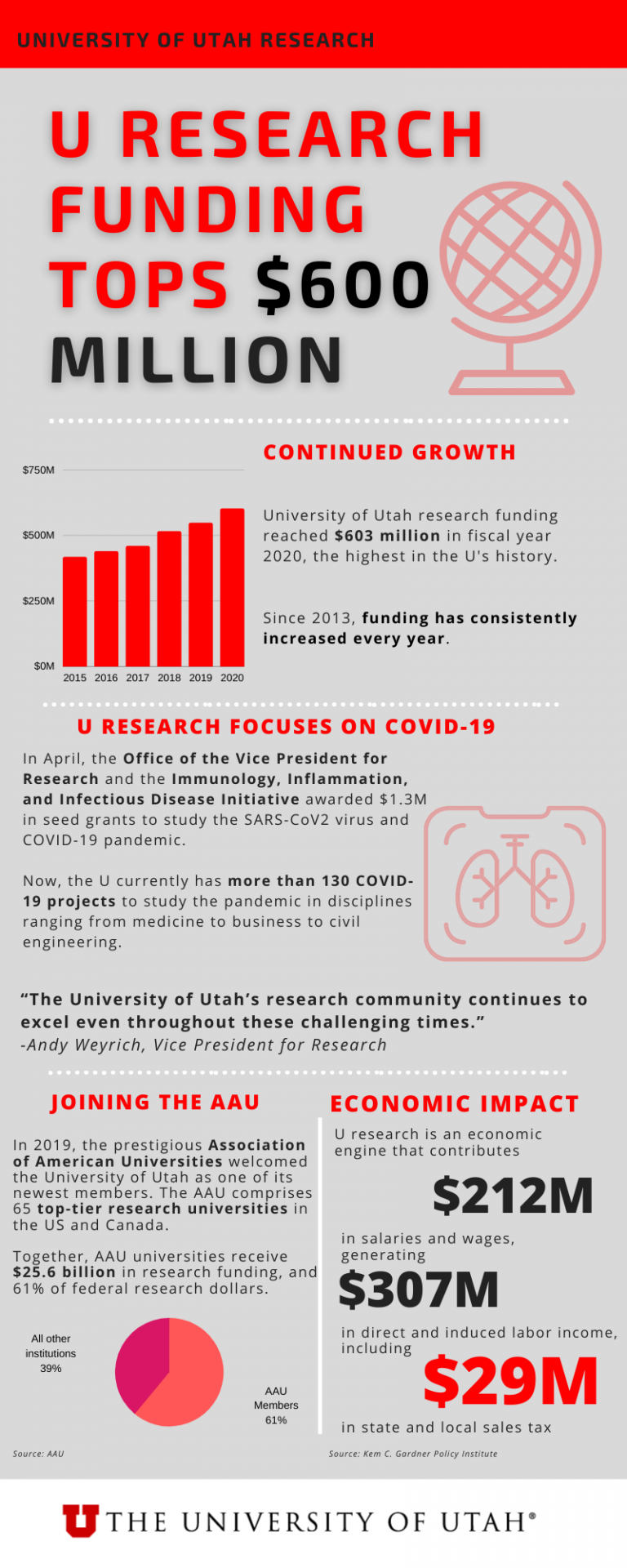
Million Research Funding Boost
— ### What to Watch For: Key Milestones in the Next 12–24 Months
The next phase of this research will unfold in stages. Here’s what to monitor:
- Project announcements (Q3 2026): Dementia Australia will likely release full details of the 12 funded projects, including lead researchers and timelines. Watch for collaborations with international institutions, which could accelerate findings.
- Pilot program rollouts (2027): Projects focused on community interventions (e.g., exercise programs, caregiver support) may begin small-scale trials. Early results could influence national aged care policies.
- Biomarker advancements (2027–2028): If early detection projects succeed, we may see new guidelines for when and how GPs should screen for cognitive impairment.
- Government response (2027): The Australian Government’s next dementia strategy (due in 2027) will likely incorporate learnings from these projects. Advocates will push for increased funding based on early outcomes.
- Industry partnerships (ongoing): Tech companies and pharmaceutical firms may step in to commercialize research outputs, such as diagnostic tools or digital therapies.
One thing is clear: the dementia research landscape is evolving rapidly. What sets this funding round apart is its emphasis on both scientific discovery and real-world application—a balance that could finally turn the tide on Australia’s most pressing health crisis.
— ### Frequently Asked Questions About Dementia Research and the New Funding
Q: How was the $2.6 million funding decided?
A: The projects were selected through a competitive peer-review process, where proposals were evaluated by independent experts based on scientific rigor, feasibility, and potential impact. Dementia Australia’s Research Foundation prioritized projects that addressed gaps in the current research landscape, particularly in early detection, prevention, and care innovation.
Q: Will this funding lead to a cure for dementia?
A: While the research may contribute to long-term breakthroughs, a cure is unlikely in the next 5–10 years. The focus is currently on slowing progression, improving early detection, and enhancing quality of life for patients and carers.
Q: How can the public get involved or support these projects?
A: Dementia Australia encourages public engagement through participation in clinical trials, advocacy, and donations. Many projects will also seek community partners, such as aged care providers or local councils, to test interventions at scale.
Q: Are there any projects specifically focused on younger-onset dementia?
A: Younger-onset dementia (diagnosed before age 65) is a priority area, though exact details are not yet public. Given its rarity and distinct challenges, these projects may focus on genetic research and specialized care models.
Q: How does this funding compare to other countries’ dementia research investments?
A: Australia’s $2.6 million is substantial for a single round but still below the scale of investments in the UK or U.S. However, the focus on applied research—rather than just lab-based science—could make it more effective in addressing Australia’s unique healthcare challenges.
Q: What’s the biggest challenge in turning research into real-world solutions?
A: The gap between discovery and implementation is often the biggest hurdle. Even promising findings can fail to reach patients due to regulatory barriers, lack of clinician training, or insufficient funding for scaling up solutions.
—
