
A mid-sized hotel chain is shutting down operations in Cleveland, Ohio, with layoffs set to begin Jan. 28—just two days before the doors close for decent. The closure of the Mercure hotel near the Rock & Roll Hall of Fame marks another blow to the city’s hospitality sector, leaving 66 employees without jobs and raising questions about the broader health of the U.S. Lodging market.
The hotel’s parent company, Accor, has not disclosed financial details behind the decision, but industry observers note that rising operational costs, shifting travel patterns, and competition from larger chains have squeezed margins for mid-scale properties. The shutdown follows a pattern seen across the sector, where smaller hotels struggle to adapt to post-pandemic demand fluctuations and higher labor expenses.
Why This Matters for Workers and Local Businesses
The layoffs will affect a mix of roles, including front-desk staff, housekeeping, and food and beverage workers. While the hotel’s parent company, Accor, has not announced severance packages or retraining programs, local media reports suggest some employees may explore opportunities within Accor’s broader portfolio, which includes other hotel brands in the region.

For Cleveland, the closure underscores a trend: hospitality jobs are increasingly volatile, with mid-sized properties bearing the brunt of economic pressures. The city’s tourism industry, which relies heavily on events tied to the Rock & Roll Hall of Fame, has seen uneven recovery since 2023, with some venues struggling to fill rooms during off-peak seasons.
A Chain in Transition: Accor’s Mixed Strategy
Accor, the French multinational behind the Mercure brand, has been refocusing its U.S. Operations amid financial strain. While the company has invested in upscale properties under brands like Pullman and Sofitel, mid-scale chains such as Mercure have faced declining occupancy rates. Analysts cite Accor’s decision to prioritize higher-margin segments as part of a broader cost-cutting strategy, though the company has not commented on whether further closures are planned.
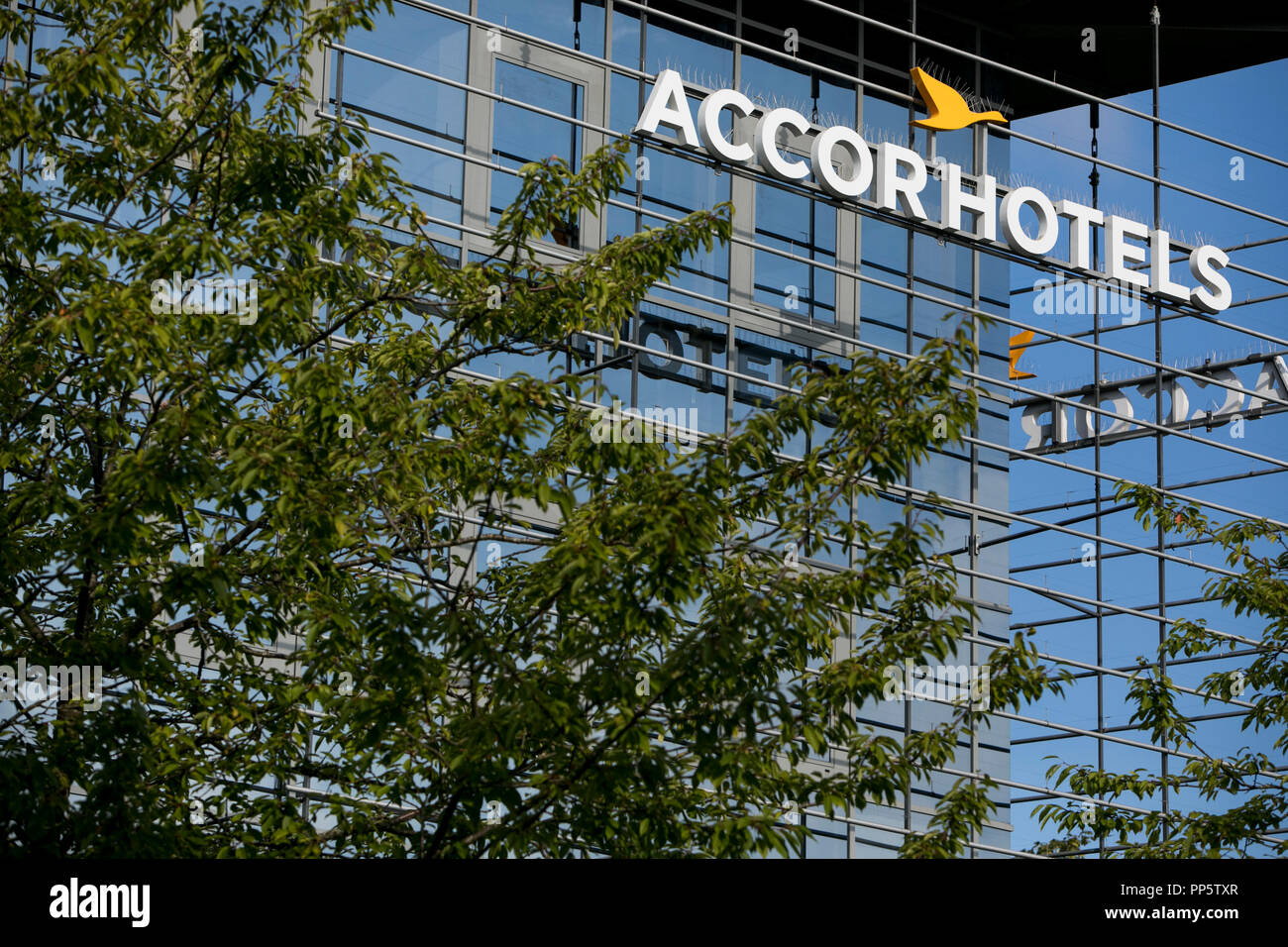
In Europe, Accor has also scaled back operations, citing labor shortages and rising energy costs. The U.S. Shutdown aligns with a global trend: between 2024 and 2025, mid-tier hotel chains reduced their footprint by nearly 8% as they consolidated assets. For Accor, the move may signal a shift toward a leaner, more selective portfolio—though it risks alienating loyal customers in markets like Cleveland, where brand recognition has long been a competitive edge.
What’s Next for the Affected Employees
Layoffs are scheduled to begin Jan. 28, 2026, with the hotel ceasing operations on Jan. 30. Employees have until that date to finalize their exit, though some may qualify for extended benefits under local labor laws. Accor has not confirmed whether it will offer relocation assistance or partnerships with staffing agencies to help displaced workers transition into new roles.
For now, the focus remains on the immediate impact: 66 jobs lost, a vacant building in downtown Cleveland, and a question lingering over the industry. As travel demand stabilizes—or fails to—hotel chains will face tougher choices about which properties to keep and which to let go.
