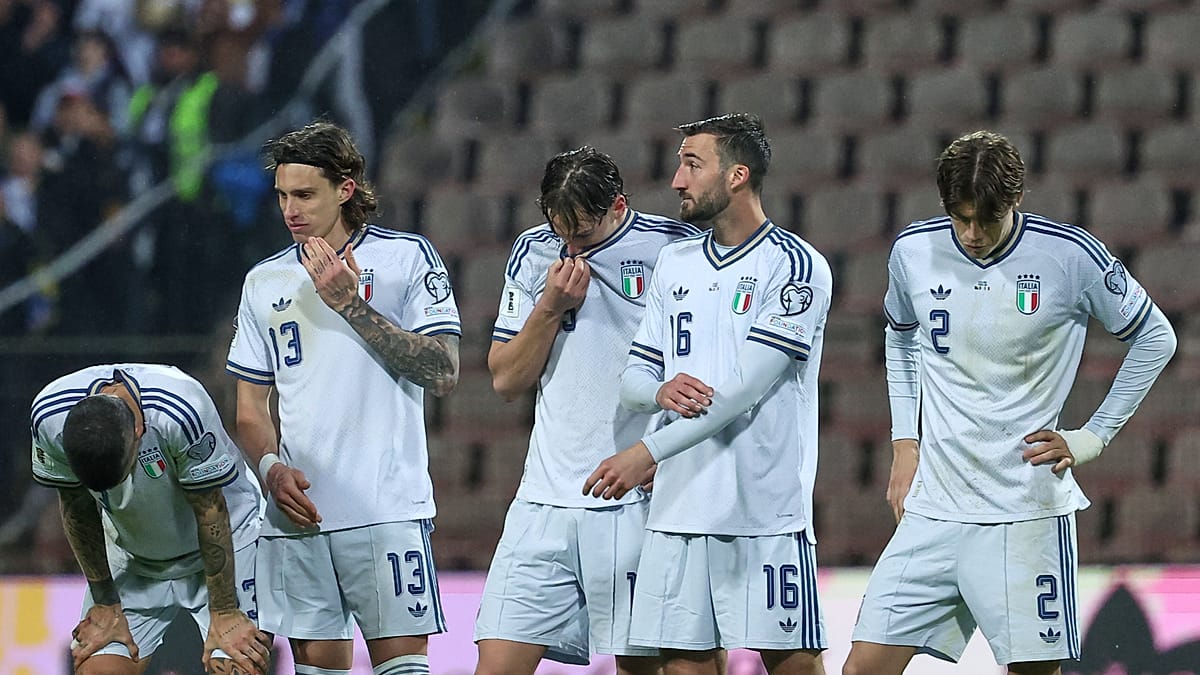
France’s long-standing dominance in world football may be slipping just as the 2026 World Cup approaches, according to the latest predictions from Opta’s advanced statistical model. The three-time champions, once the bookmakers’ favorite to reclaim the trophy, now sit as the second-most likely team to lift the trophy in the expanded 48-team tournament—behind only a resurgent Brazil.
The shift reflects a seismic realignment in global football power structures, where traditional giants like Germany and Argentina have seen their title odds plummet, while smaller nations like Mexico and South Korea have emerged as dark horses in a tournament that will stretch across three continents. Opta’s supercomputer, which simulates thousands of possible season outcomes based on betting markets and historical performance, now projects France with a 15% chance of winning the World Cup, down from earlier estimates that placed them as the frontrunners.
A Title Race Without the Usual Suspects
Brazil, long considered the benchmark for attacking prowess and tournament resilience, now leads the Opta predictions with a 20% probability of claiming the trophy. Their advantage stems from a combination of homegrown talent—led by Vinícius Jr. And Rodrygo—and a tactical adaptability that has confounded opponents in recent friendlies and continental competitions. Meanwhile, Argentina, holders of the 2022 trophy, have seen their odds shrink to 12%, a reflection of defensive vulnerabilities exposed in the Copa América and a midfield crisis that has yet to be fully resolved.
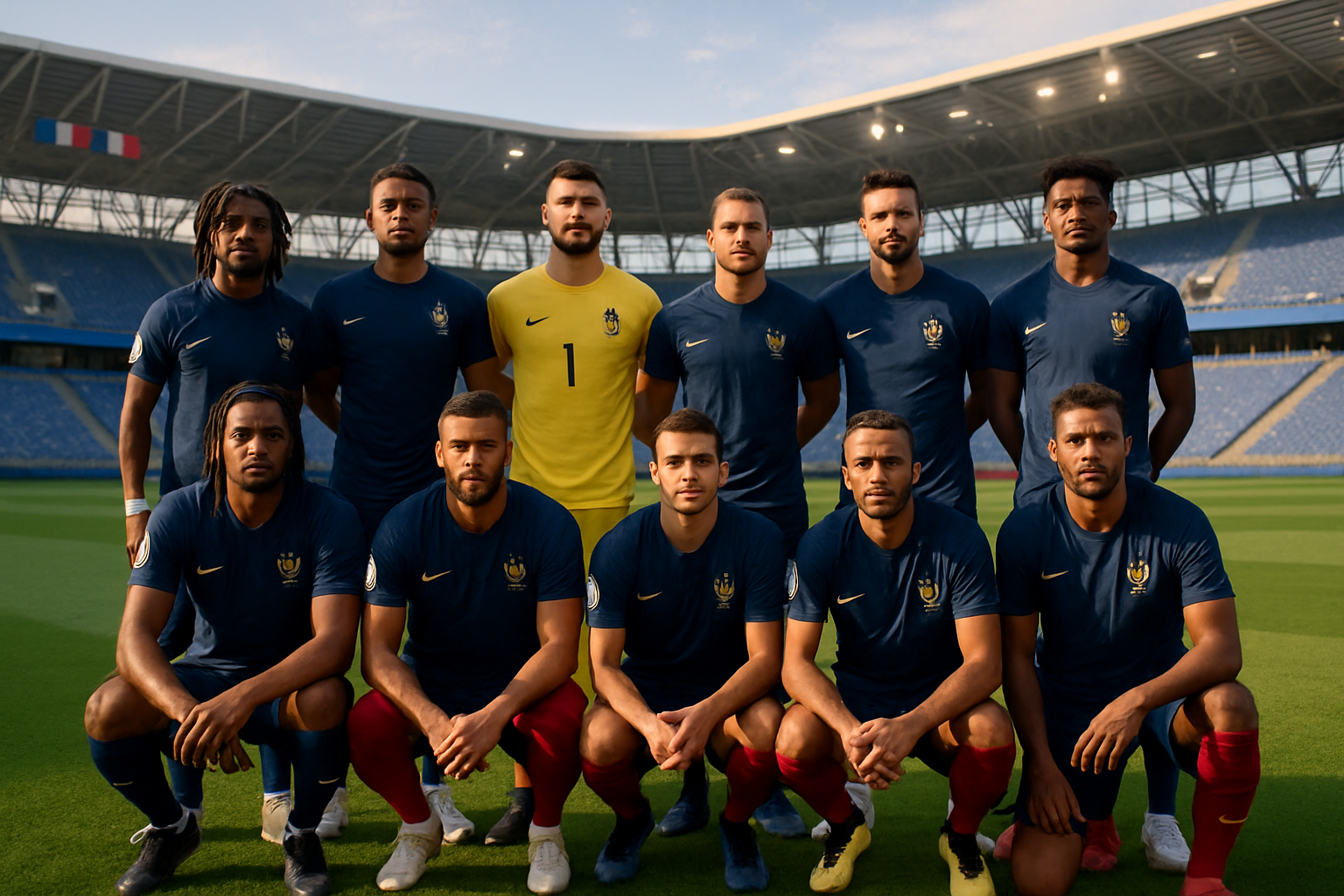
France’s decline in the rankings is less about a sudden collapse and more about the rise of a new generation. The departure of key figures like Kylian Mbappé—now a global superstar for the Los Angeles Football Club—has left a void in both creativity and leadership. While the current squad boasts depth in midfield with players like Aurélien Tchouaméni and Eduardo Camavinga, their ability to sustain the high-pressure intensity of a World Cup remains untested on this scale.
Who’s Rising—and Who’s Falling?
Opta’s model also highlights the growing influence of the tournament’s host nations. Mexico, co-host of the 2026 World Cup alongside the United States and Canada, now sits with a 10% chance of winning the title—a statistic that underscores the home advantage in modern football. Their campaign will hinge on the form of star striker Hirving Lozano, who has been instrumental in their recent qualification path, and the tactical acumen of manager Gerardo Martino, who blends youth with experience.
South Korea, another co-host, has seen its odds rise to 8%, a testament to their disciplined defensive structure and the emergence of attacking talents like Son Heung-min. Meanwhile, traditional powerhouses like England and Spain have seen their title chances dip below 5% each, a sign of mid-table struggles in recent European Championships and a lack of standout individual performers capable of carrying a team.
What Comes Next for France?
With just over a year until the tournament kicks off in February 2026, France’s path to redemption will be scrutinized like never before. The national team’s next major test comes in the 2026 UEFA Nations League, where they will face a mix of familiar rivals and underdogs. Success there could buoy their confidence, but failure risks further erosion of their title credentials.
The Opta predictions serve as a stark reminder that in football, as in life, complacency is the fastest route to obsolescence. For France, the question is no longer whether they can win the World Cup—but whether they can even return to the level required to compete for it.
