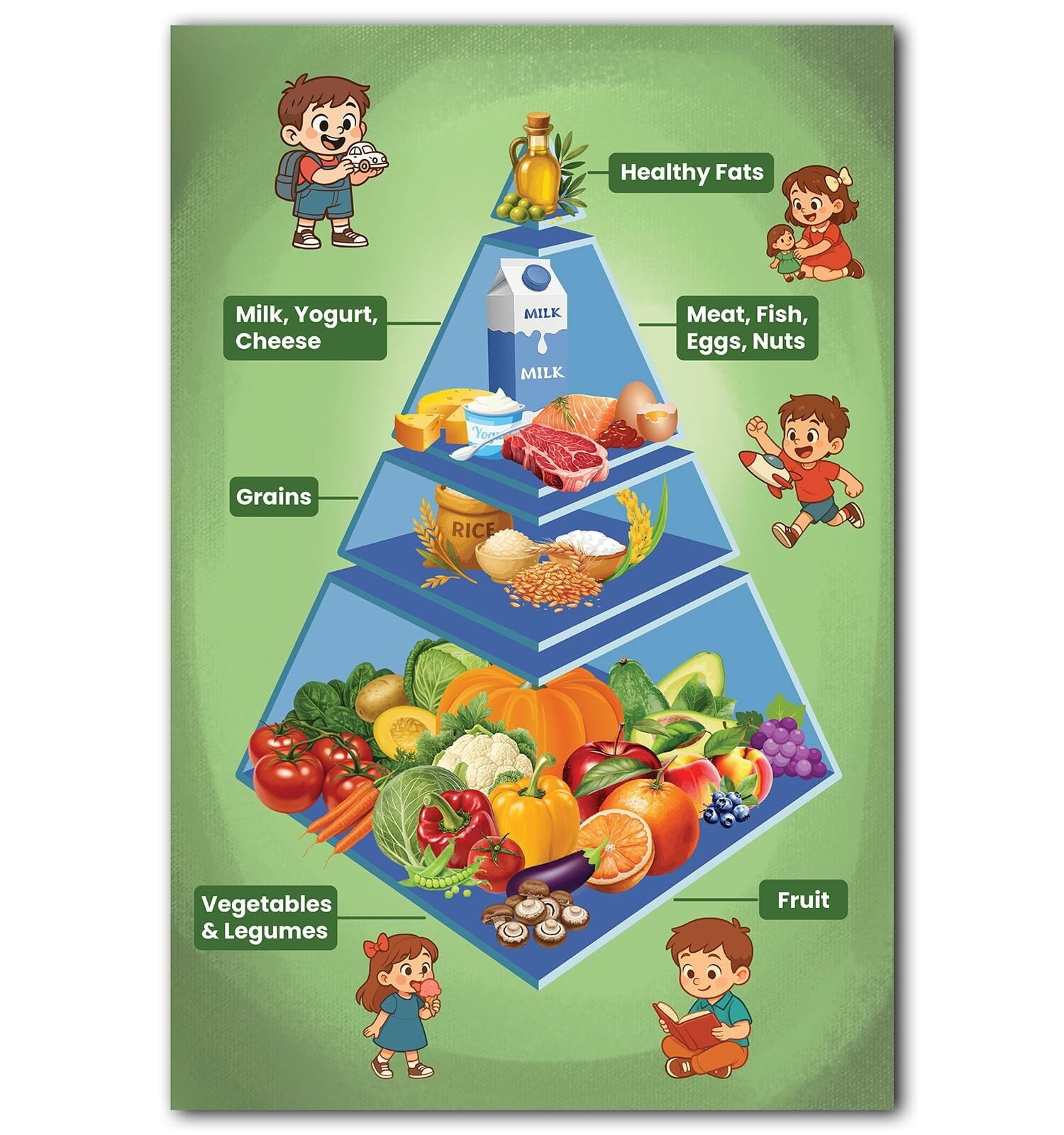
Navigating the nutritional needs of toddlers often proves challenging for parents, who frequently grapple with picky eating and uncertainty over whether their children are receiving adequate nutrients. To address this, a standardized assessment tool known as the Peuter-Eetscore (Toddler Eating Score) has been developed to provide a clear, evidence-based framework for parents and healthcare providers to monitor and improve the eating habits of children aged one to three.
Key Objectives of the Peuter-Eetscore
- Standardizing Assessment: Creating a uniform method to evaluate the dietary intake of toddlers.
- Improving Communication: Providing a common language for parents and clinicians to discuss nutritional concerns.
- Reducing Parental Stress: Replacing subjective worry about “how much” a child eats with objective data on “what” they eat.
- Early Intervention: Identifying children with suboptimal dietary patterns early to prevent long-term nutritional deficiencies.
Shifting Focus from Volume to Variety
A primary challenge in toddler nutrition is the tendency for both parents and caregivers to focus on the total volume of food consumed. However, public health experts emphasize that dietary variety and frequency are more critical indicators of health during this developmental stage than the sheer amount of food on a plate.

The Peuter-Eetscore shifts the focus toward these qualitative metrics. Rather than tracking calories, the tool evaluates how often a child consumes various healthy food groups. By scoring the frequency of fruits, vegetables, and other essential nutrients, the system provides a more accurate reflection of a child’s nutritional status and helps identify specific gaps in their diet.
Enhancing the Parent-Provider Relationship
When parents seek advice from pediatricians or dietitians, descriptions of a child’s eating habits are often vague or influenced by the stress of the “picky eater” phase. The implementation of the Peuter-Eetscore allows for a more objective clinical conversation.
By using a numerical score based on dietary guidelines, healthcare providers can move away from generalized reassurance and toward targeted guidance. This data-driven approach allows clinicians to pinpoint exactly which food groups are lacking and provide parents with specific, actionable strategies to introduce those foods into the child’s routine.
Public Health Implications
The development of this tool, supported by health research initiatives including those funded by ZonMw, reflects a broader public health effort to establish healthy eating patterns in early childhood. Establishing a diverse palate between the ages of one and three is considered a critical window for preventing childhood obesity and nutrient deficiencies later in life.
By reducing the emotional friction associated with toddler feeding and replacing it with a structured scoring system, health authorities aim to increase the overall quality of early childhood nutrition across the population.
