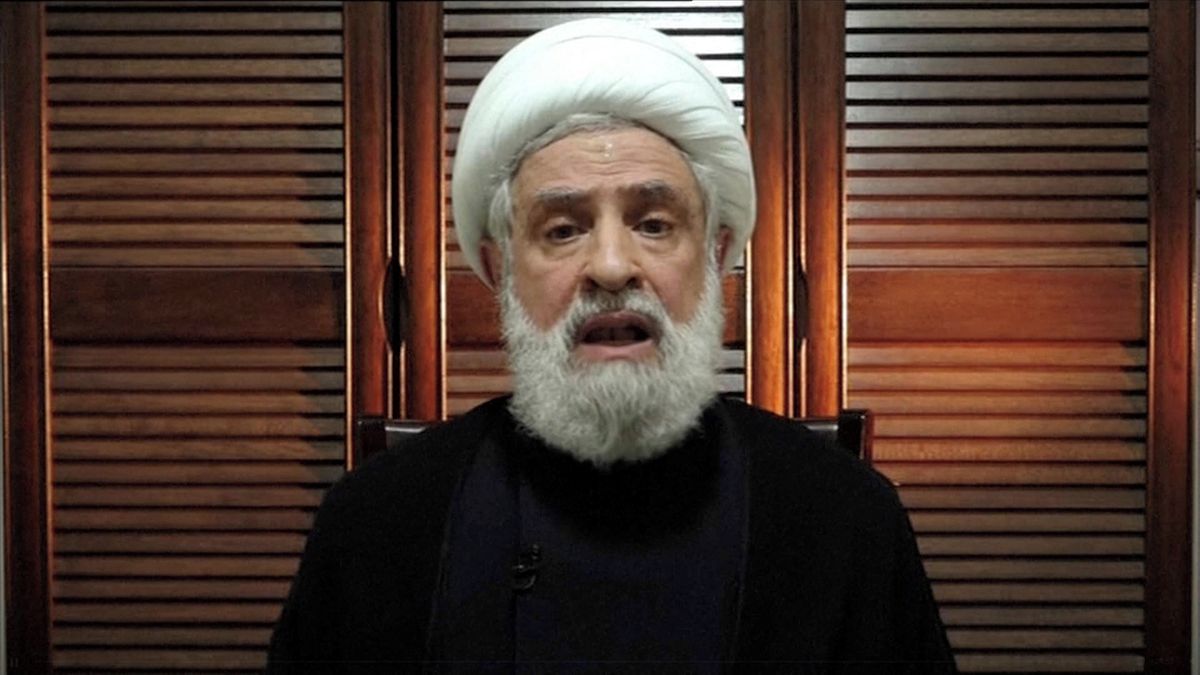
While Israel and Lebanon have moved to extend their ceasefire and establish designated safe zones, the agreement faces an immediate internal challenge from Hezbollah, whose leadership has dismissed the deal as a surrender.
- Current Status: Ceasefire extended between Israel and Lebanon.
- Key Provision: Establishment of designated safe zones.
- Humanitarian Impact: Over 3,500 deaths reported in Lebanon.
- Economic Effect: Global oil prices declined following the extension news.
- Internal Opposition: Hezbollah leadership rejects the agreement.
Fragile Diplomatic Progress
Diplomatic efforts have resulted in a prolonging of the ceasefire between Israel and Lebanon, a move intended to stabilize a volatile border. As part of the updated agreement, the two parties have committed to the creation of safe zones, aimed at reducing civilian casualties and providing secure corridors in contested areas.
Hezbollah’s Internal Defiance
Despite the official extension, the political and military landscape remains fractured. The chief of Hezbollah has publicly rejected the terms of the agreement, effectively dismissing the ceasefire from his perspective.

The ceasefire agreement with Israel is a capitulation. Hezbollah Chief
This rejection underscores the ongoing tension between the Lebanese state’s diplomatic maneuvers and the independent military objectives of Hezbollah, suggesting that the ceasefire may remain precarious despite official signatures.
Humanitarian Toll and Global Market Reaction
The diplomatic friction unfolds against a backdrop of severe humanitarian loss. According to the Lebanese ministry, Israeli military operations have resulted in the deaths of more than 3,500 people within Lebanon.
Beyond the immediate regional conflict, the news of the ceasefire extension triggered a response in global commodity markets. Oil prices saw a decline as investors reacted to the possibility of reduced escalation in the Middle East, which typically creates volatility in energy costs.
