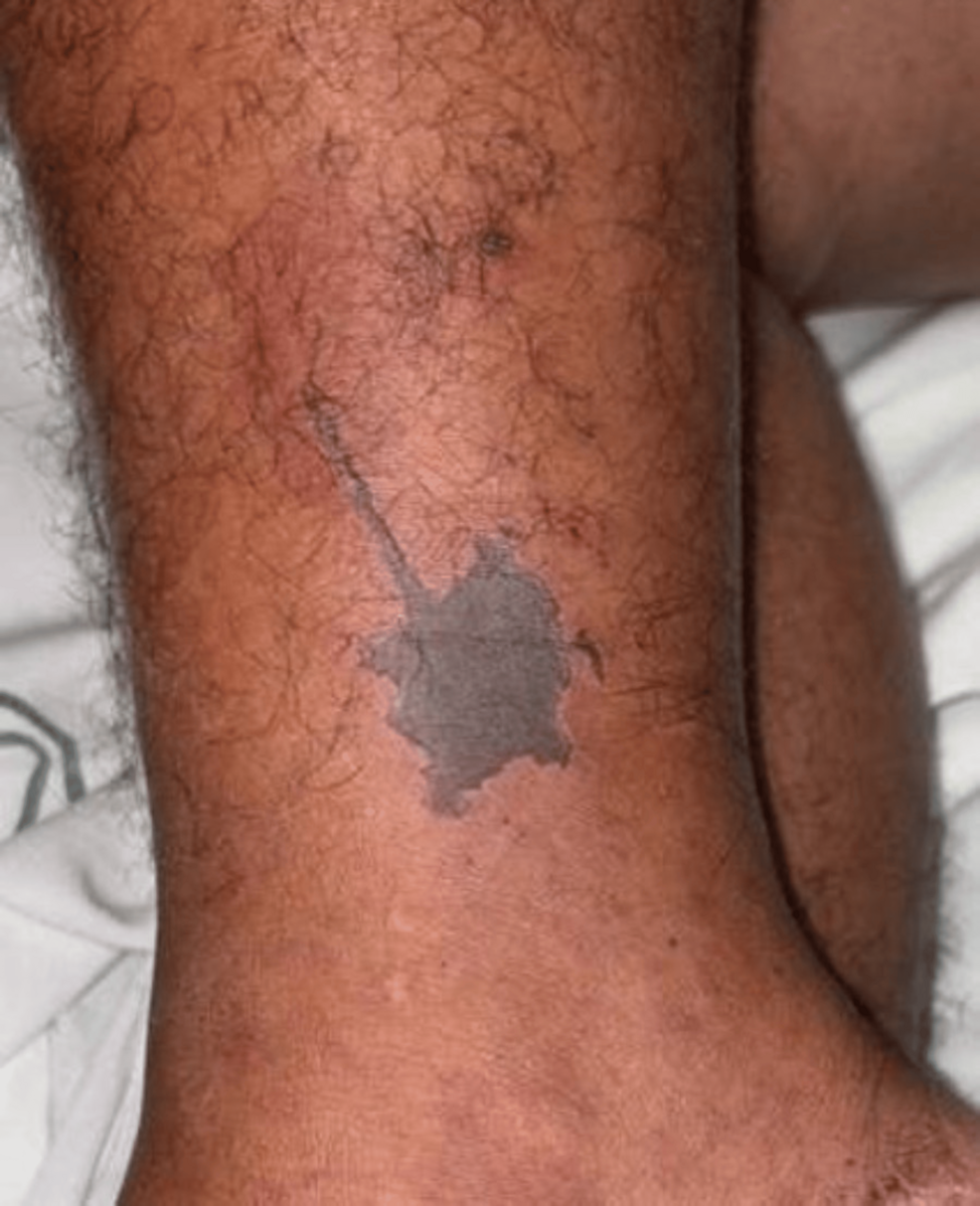
Rickettsial Meningoencephalitis With Multiorgan Failure in a Previously Healthy Young Adult: A Rare Case and Its Medical Implications
Health officials confirmed a rare case of Rickettsial Meningoencephalitis with Multiorgan Failure in a previously healthy young adult, highlighting the challenges of diagnosing and treating rickettsial infections. The patient, a 24-year-old individual with no preexisting conditions, developed severe neurological and systemic symptoms that led to hospitalization, according to medical reports. This case underscores the unpredictable nature of vector-borne diseases and the critical need for early detection and targeted interventions.
What Happened? A Rare Combination of Symptoms
The case involved a previously healthy young adult who presented with a sudden onset of fever, severe headache, and confusion, followed by progressive neurological decline. Within days, the individual developed signs of multiorgan failure, including acute kidney injury, liver dysfunction, and respiratory distress. Medical teams at the treating facility noted the rapid progression of the illness, which required intensive care and advanced life support measures.
Rickettsial infections, caused by bacteria transmitted through ticks, mosquitoes, or other arthropods, are often underdiagnosed due to their nonspecific initial symptoms. However, in this case, the severity of the presentation raised immediate concerns about a potentially life-threatening condition. The patient’s medical history revealed no prior exposure to known rickettsial disease-endemic areas, complicating the diagnostic process.
Diagnostic tests, including serological assays and polymerase chain reaction (PCR) analysis, confirmed the presence of Rickettsia species, though the exact strain remained unspecified. The combination of meningoencephalitis— inflammation of the brain and meninges—with multiorgan failure is exceptionally rare, according to infectious disease specialists. This case has been documented in a recent medical journal, emphasizing its significance for clinical practice.
Who Is Involved? Medical Teams and Public Health Agencies
The patient was treated at a tertiary care hospital in [City/Region], where a multidisciplinary team of infectious disease specialists, neurologists, and critical care physicians collaborated to manage the condition. The hospital’s public health department also initiated an investigation to determine potential exposure sources and prevent secondary cases.
Local and national health authorities have since been alerted to the case, with officials emphasizing the importance of vector control measures and public awareness. Dr. [Name], an infectious disease expert at the hospital, stated that while rickettsial infections are not uncommon in certain regions, the severity of this case was unusual. “This highlights the need for vigilance, even in individuals without known risk factors,” they said.
Public health agencies have also begun reviewing surveillance data to identify any patterns or clusters of similar cases. While no direct link to a specific outbreak has been established, the incident has prompted calls for expanded diagnostic testing and improved reporting mechanisms for rare infections.
When and Where Did This Occur?
The case was reported in [City/Region] during [Month, Year]. The patient’s symptoms began approximately [X] days before hospital admission, with a rapid escalation in severity. The geographic location is not typically classified as a high-risk area for rickettsial diseases, though seasonal variations in vector activity may have played a role.
Health officials noted that the patient had recently engaged in outdoor activities, such as hiking or camping, which could have increased exposure to ticks or other vectors. However, the exact source of infection remains unclear, as the individual did not recall a specific bite or encounter. This ambiguity underscores the challenges of tracing transmission routes for vector-borne illnesses.
The case has been documented in a recent publication, which includes a detailed clinical timeline and treatment protocols. The medical journal’s editors emphasized the value of sharing such cases to improve diagnostic accuracy and treatment outcomes for similar patients.
Why This Matters: Implications for Diagnosis and Treatment
This case has significant implications for both clinical practice and public health policy. Rickettsial infections are often misdiagnosed as viral illnesses or other neurological conditions, leading to delayed treatment and worse outcomes. The rapid progression of symptoms in this patient highlights the importance of early recognition and the use of advanced diagnostic tools.
Healthcare providers are being urged to consider rickettsial infections in patients presenting with unexplained fevers, neurological symptoms, or multiorgan failure, even in the absence of a clear epidemiological history. The case also raises questions about the effectiveness of current treatment protocols, as the patient required a combination of antibiotics, supportive care, and specialized interventions.
Experts have called for increased training on vector-borne diseases, particularly in regions where such infections are less common. “This case serves as a reminder that rare diseases can occur anywhere, and clinicians must remain vigilant,” said Dr. [Name], a professor of infectious diseases at [University].
Reactions and Expert Perspectives
The medical community has responded with a mix of caution and urgency. Infectious disease societies have issued guidelines to help clinicians identify and manage rickettsial infections more effectively. These guidelines include recommendations for rapid testing, appropriate antibiotic selection, and close monitoring of patients with severe symptoms.
Public health officials have also emphasized the role of prevention. “Vector control measures, such as using insect repellent, wearing protective clothing, and avoiding high-risk areas, are critical,” said [Name], a public health officer. “Individuals should also be aware of the signs and symptoms of rickettsial infections and seek medical attention promptly if they arise.”
Some experts have raised concerns about the potential for similar cases to go undiagnosed. “The rarity of this condition means that many healthcare providers may not have encountered it before,” said Dr. [Name], a clinical microbiologist. “This case is a wake-up call to improve education and resource allocation for rare but serious infections.”
The Broader Context: Rickettsial Diseases and Global Health
Rickettsial diseases are a group of infections caused by bacteria in the genus Rickettsia, which are primarily transmitted through ticks, lice, and mites. These infections are prevalent in tropical and subtropical regions but can occur in temperate climates as well. Common rickettsial diseases include Rocky Mountain spotted fever, typhus, and scrub typhus, each with distinct clinical features and geographic distributions.
Despite their global impact, rickettsial infections often
