The risk of contracting variant Creutzfeldt-Jakob disease (vCJD) from meat is currently very low due to strict regulations removing specified risk materials from the food chain, according to health reports. While the disease is linked to bovine spongiform encephalopathy (BSE), current safety protocols make commercial meat consumption safe for the general public.
- vCJD is the specific form of the disease linked to the consumption of beef contaminated with BSE.
- Specified Risk Materials (SRM), such as the brain and spinal cord, are removed from livestock to prevent human transmission.
- Prions, not bacteria or viruses, are the infectious agents responsible for the disease.
- Sporadic CJD remains the most common form of the disease and is not linked to diet.
How prions cause brain degeneration
Creutzfeldt-Jakob disease is a rare, degenerative condition caused by prions. According to medical data, prions are misfolded proteins that trigger normal proteins in the brain to also misfold. This process creates a chain reaction that destroys neurons and leaves the brain with a sponge-like appearance, leading to rapid cognitive decline and loss of motor function.
Because prions are proteins rather than living organisms like bacteria or viruses, they are not destroyed by standard cooking temperatures or traditional sterilization methods. This characteristic makes the prevention of their entry into the food supply the primary line of defense for public health.
The link between “Mad Cow Disease” and vCJD
While most cases of CJD occur spontaneously, variant CJD (vCJD) is an acquired form of the disease. Health reports link vCJD to the consumption of meat from cattle infected with bovine spongiform encephalopathy (BSE), commonly known as “mad cow disease.”
When a person consumes tissues containing these infectious prions, the proteins can migrate to the human brain, where they begin the degenerative process. This specific pathway differs from the more common sporadic form of the disease, which occurs without any known external trigger.
How meat safety regulations prevent transmission
To eliminate the risk of vCJD, health authorities implemented strict controls on the processing of livestock. The central strategy involves the identification and removal of Specified Risk Materials (SRM).
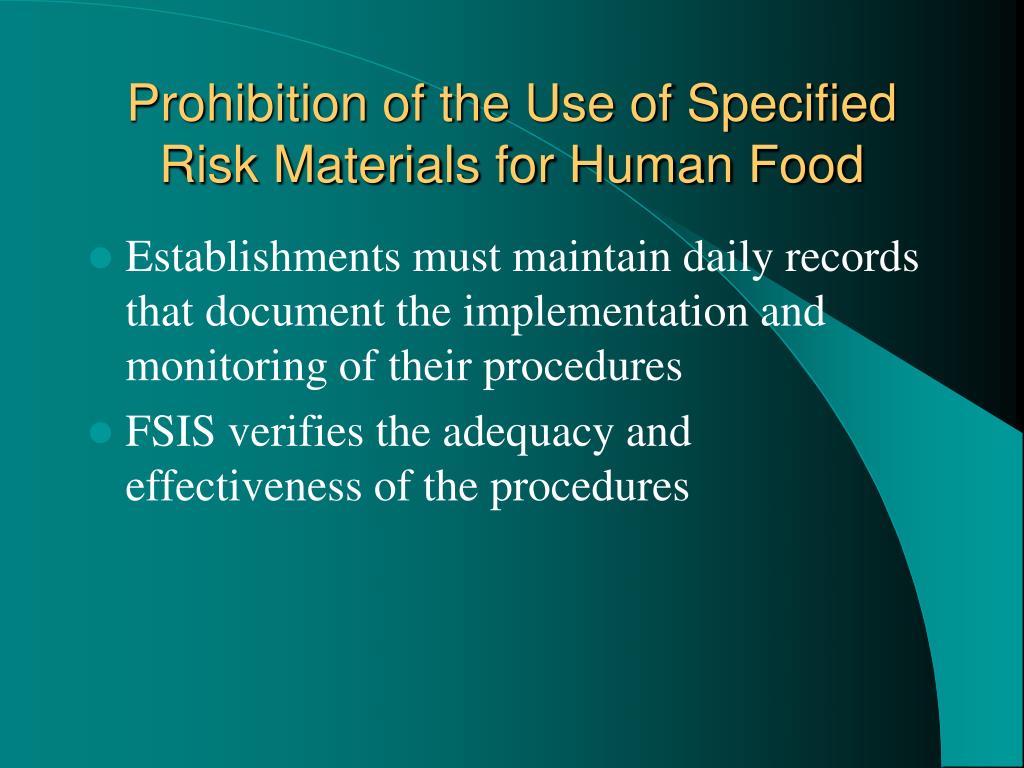
According to safety guidelines, tissues with the highest concentration of prions—specifically the brain, spinal cord, and certain skull and vertebral tissues—are removed and prohibited from entering the human food chain. These measures have significantly reduced the incidence of vCJD by ensuring that the parts of the animal most likely to carry BSE do not reach consumers.
Distinguishing between the types of CJD
Medical data categorizes the disease into three distinct types based on the cause of the protein misfolding:
- Sporadic CJD: The most frequent form, where proteins misfold for unknown reasons. It typically affects older adults.
- Genetic (Familial) CJD: A form caused by an inherited mutation in the gene that provides instructions for making prion proteins.
- Acquired CJD: This includes vCJD (linked to BSE) and iatrogenic CJD, which occurs through accidental contamination during medical procedures, such as contaminated surgical instruments or certain tissue transplants.
Health reports emphasize that the vast majority of CJD cases are sporadic and have no connection to meat consumption or food safety.
