Samsung to charge 5 dollars monthly for SmartThings API access in October
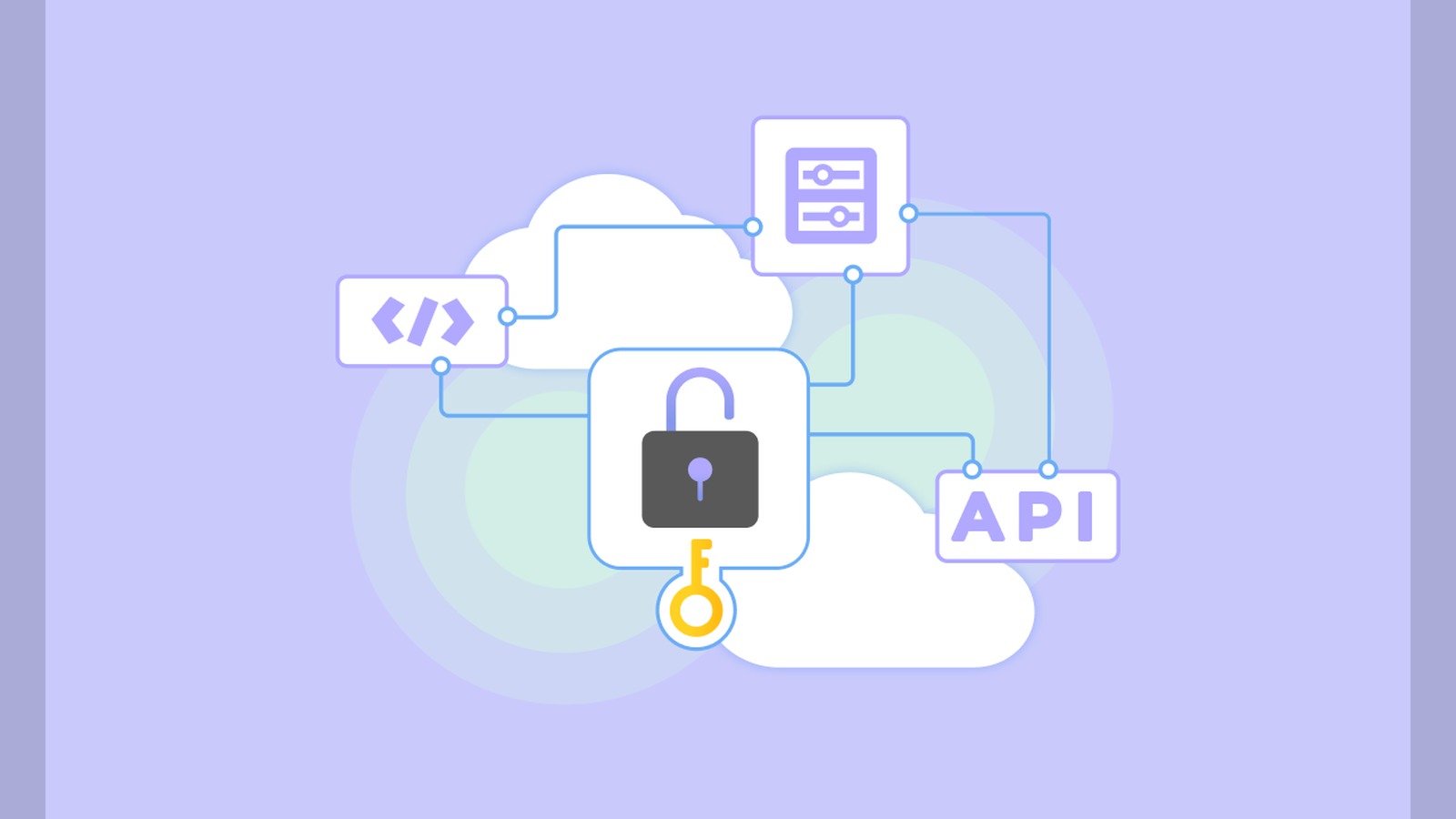
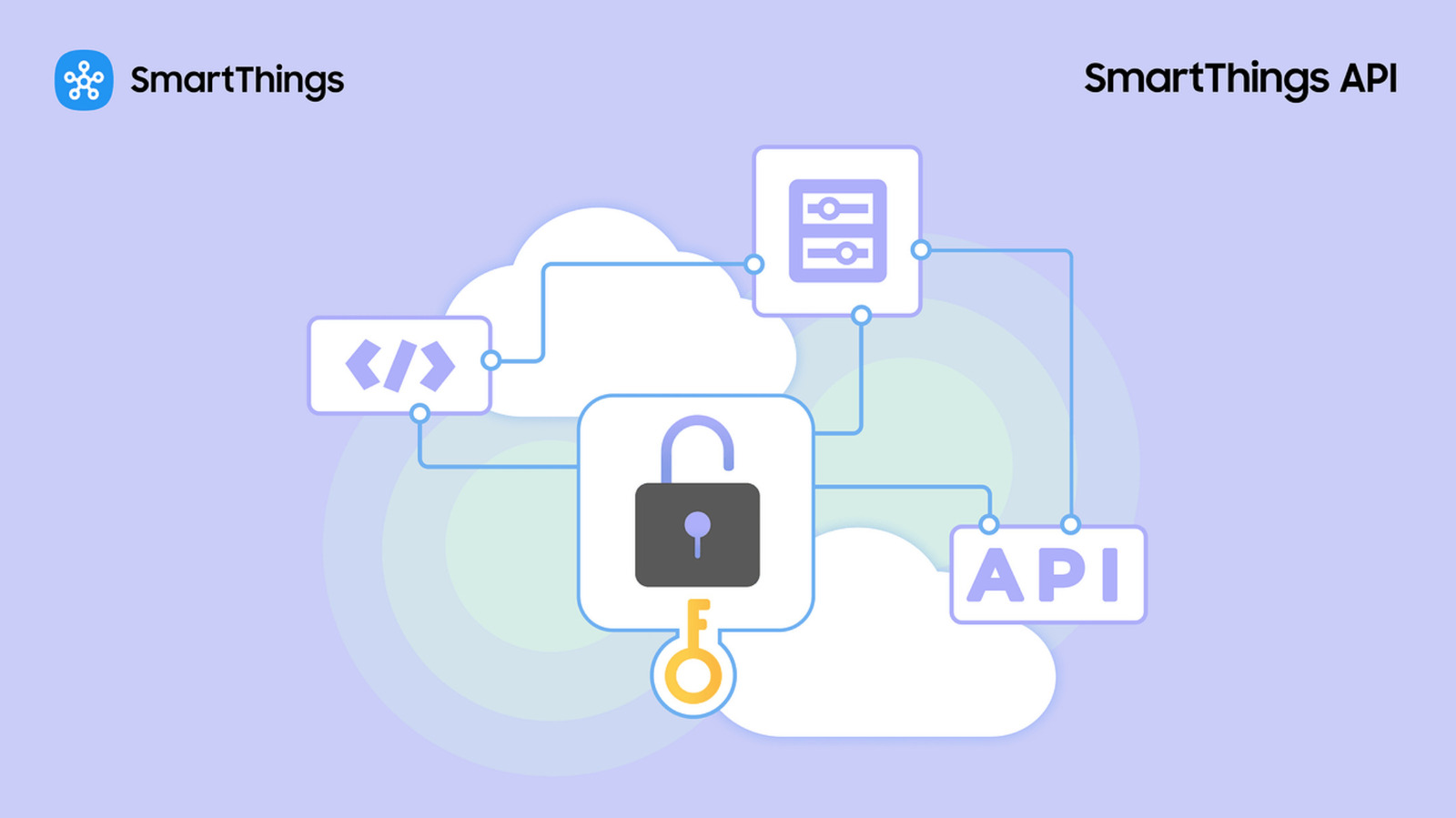
Samsung plans to transition its SmartThings API to a subscription model, impacting third-party developers, commercial partners, and home automation platforms.

Beginning in October 2026, Samsung will end its policy of free access to the SmartThings API, transitioning to a model that includes subscription-based tiers. The change primarily impacts third-party developers, commercial partners, and power users who rely on custom integrations to bridge their smart home devices. While the standard consumer SmartThings application will remain free and unaffected, those utilizing external tools to control their connected devices face a new financial requirement.
Subscription Structure and Implementation
Samsung has confirmed that a new personal plan for non-commercial individual developers will launch in October, carrying a monthly fee of $4.99. The company has also announced plans to introduce commercial API tiers for business partners and enterprise integrators, though specific pricing and usage quotas for these business-focused levels have not yet been disclosed.
Related media
The company maintains that existing API access will remain free through the third quarter of 2026. Samsung stated that it will not begin enforcing new usage limits or phasing out current free access protocols until the October implementation date.
Impact on Open-Source Ecosystems
The announcement has prompted concern among proponents of open-source smart home technology. Platforms such as Home Assistant, which frequently utilize the SmartThings API to provide flexible control across various devices, are expected to be affected by the new paywall. The integration allows users to pull Samsung-connected hardware into local, platform-agnostic dashboards, a process that will now sit behind a subscription requirement for those using the API directly or through third-party tools.
"We're all for choice, but feel very disappointed that users will have to decide whether to shell out for access in the shadow of yet another cloud paywall."
Paulus Schoutsen, founder of Home Assistant, via Engadget
The transition creates ambiguity for users of these platforms, as it remains unclear whether the costs will be absorbed by developers, passed directly to end users, or bypassed through alternative authentication methods. Furthermore, Samsung has yet to publish specific usage thresholds that will trigger the requirement for a personal plan, leaving users currently running automation scripts unable to determine if their specific configurations will exceed the free allotment.
Rationale and Future Development
Samsung claims the revenue will enable significant investments in enterprise-grade features and expanded integrations. As part of this push, Samsung plans to launch a new Developer Center that will include an API Usage Dashboard. This tool is designed to allow developers to monitor call volumes and optimize their code, providing clearer data points to assess which subscription tier fits their technical needs.
Despite these promises, some developers and industry observers have noted a lack of concrete details regarding the promised roadmap. Aside from the Developer Center, the company has not provided a specific timeline for new integration rollouts or benchmarks for the stability improvements cited as the justification for the fees.
The Road to October
As the implementation deadline approaches, the industry is watching for several key developments that will define the practical reach of these changes:
- Commercial Disclosure: Business partners and integrators await the release of the commercial price sheet, which will dictate whether the cost of building on the SmartThings platform becomes prohibitive for smaller commercial products.
- Threshold Specification: The absence of defined usage limits for the "personal plan" means that many hobbyists remain uncertain about their potential future costs.
- Platform Response: The community is observing how third-party integration providers, such as the Open Home Foundation behind Home Assistant, will choose to manage the financial requirement.
- Feature Transparency: Developers are looking for Samsung to bridge the gap between its broad promises of "enterprise-grade" performance and a verifiable roadmap of delivered improvements.
With more than 460 million registered users and hundreds of partner brands operating under the "Works With SmartThings" label, the shift represents a significant change in how the company manages its developer ecosystem. For the time being, existing integrations continue to function without interruption, while the industry awaits further guidance on the specific usage caps and tier features to be enforced this autumn.
How significant is this development?
Contribute your assessment to the aggregated reader intelligence ledger.
Archypedia is dedicated to independent, evidence-backed reporting. This briefing was synthesized from primary source reporting, corroborated across independent newsrooms, and verified against our Editorial Standards.
Transparency record
Evidence behind this report
This report synthesizes 7 distinct sources. Open the source ledger below to compare the underlying coverage.
- saasrise.com
- theverge.com
- techmymoney.com
- engadget.com
- sammobile.com
- samsung.gadgethacks.com
- androidauthority.com
Prepared under the Archypedia Editorial Policy by the Niko Vale editorial desk profile. AI-assisted tools may support drafting and verification; public accountability remains with Archypedia. Report an error.