Apple unveils foldable iPhone Duo and iPhone 18 Pro series
The new iPhone Duo introduces a book-style foldable design, while the 18 Pro series debuts a mechanical variable aperture camera and the A20 Pro processor.
Apple has entered the foldable market with the iPhone Duo, a device carrying a record-breaking starting price of $2,099, while simultaneously raising prices for its professional flagship line. The move signals a strategic pivot under new CEO John Ternus, who took the helm on September 1, shifting the brand toward high-margin luxury and AI-centric hardware.
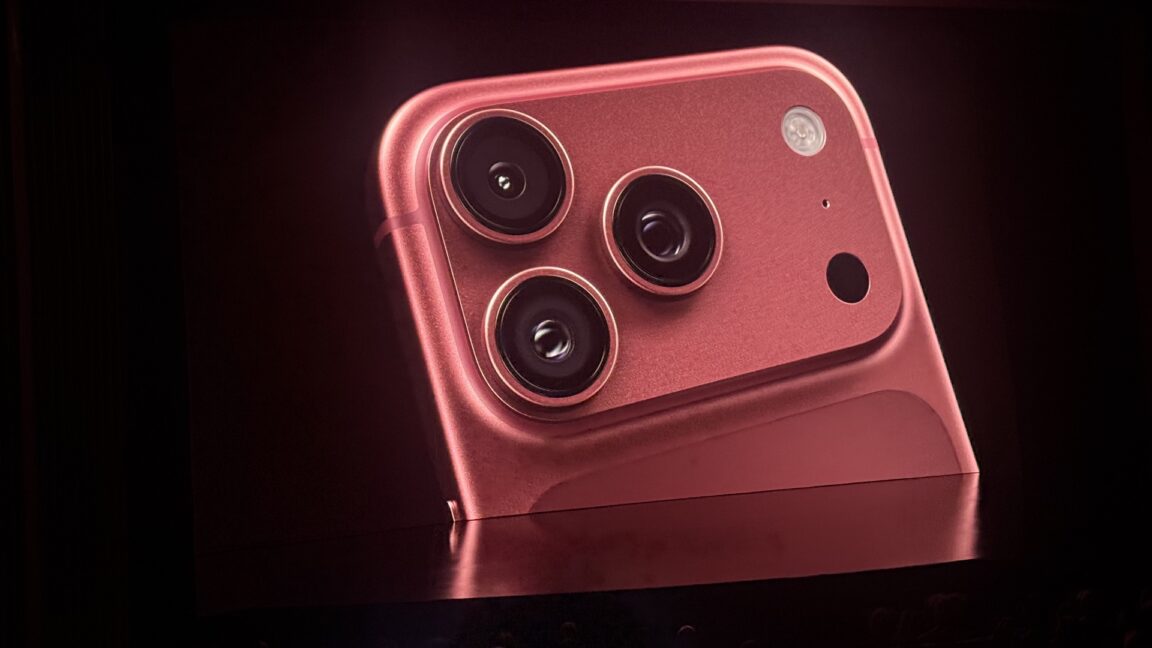
While the iPhone Duo offers a transformational form factor, it arrives with notable technical regressions compared to the iPhone 18 Pro series. To achieve a slim profile of roughly 9 millimeters when folded, Apple removed the telephoto lens from the Duo's camera system and replaced Face ID with a side-mounted Touch ID sensor. In contrast, the iPhone 18 Pro remains the technical powerhouse of the lineup, introducing a mechanical variable aperture and a 2-nanometer chip to target professional users.
Related YouTube video

The iPhone Duo: Luxury Form Over Professional Function
The iPhone Duo is positioned as an experiential luxury tech accessory
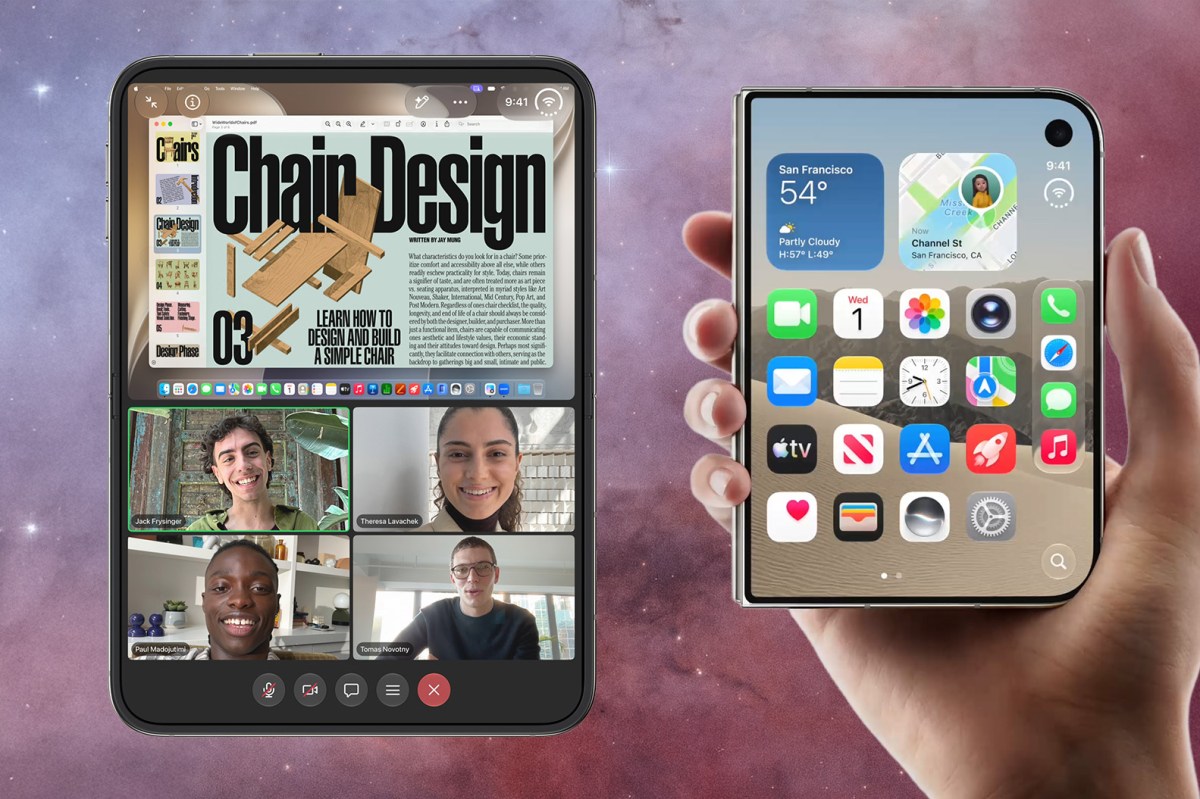
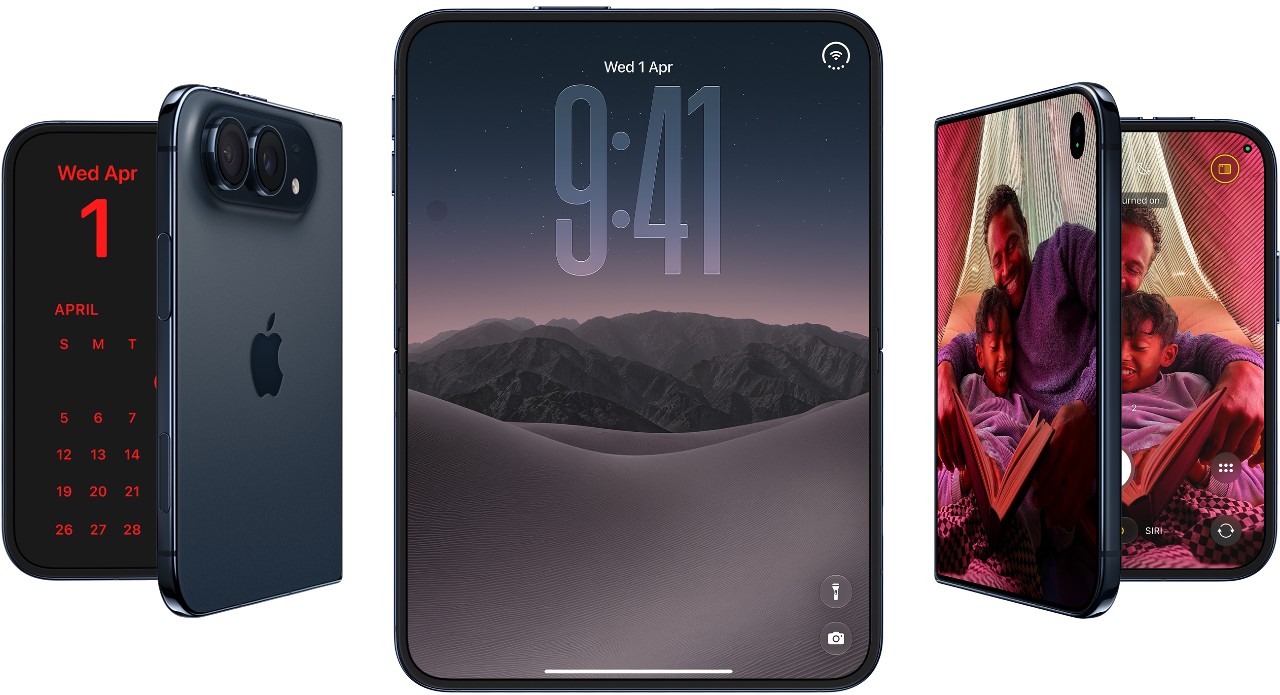
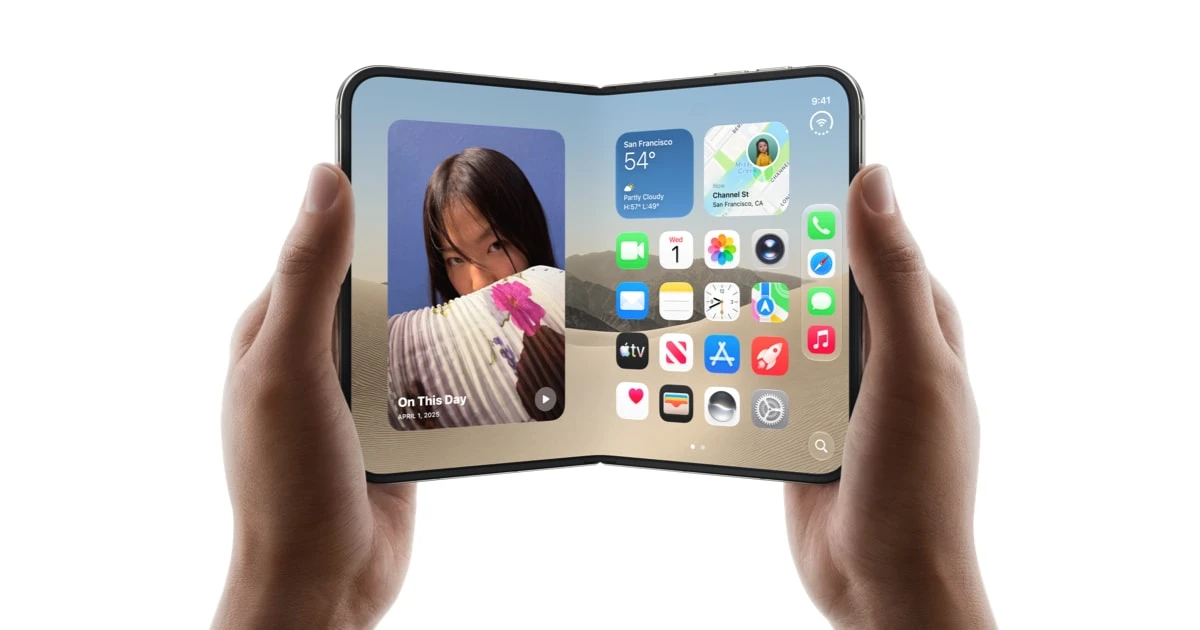
, according to Luxe. It features a book-style design that opens from a cover display — reported by BigGo Finance as 5.5 inches and The New York Times as 5.9 inches — into a 7.6-inch Super Retina XDR inner display.
Apple claims the inner screen is 50 per cent larger than that of the iPhone 18 Pro Max. To maintain a seamless surface, the Duo uses 10 ultra-thin layers and a custom nano-texture finish to reduce glare, while the FaceTime camera is hidden beneath the display. The hinge, constructed from over 100 components and a grade 5 titanium enclosure, aims to minimize the center crease.
These design choices necessitated significant hardware trade-offs. Unlike the Pro series, the Duo lacks a telephoto lens, relying instead on dual-fusion 48-megapixel rear cameras. Furthermore, the removal of Face ID in favor of a side-button Touch ID sensor marks a departure from the biometric standards of the flagship line.
| Feature | iPhone Duo | iPhone 18 Pro / Pro Max |
|---|---|---|
| Starting Price | $2,000 – $2,099 | $1,199 – $1,299 |
| Main Display | 7.6-inch Foldable | 6.3-inch / 6.9-inch |
| Biometrics | Side-button Touch ID | Face ID |
| Camera System | Dual-fusion (No Telephoto) | Triple-fusion (Variable Aperture) |
| Charging (to 50%) | ~20 Minutes | ~15 Minutes |
iPhone 18 Pro: Iterative Gains in Optics and Power
While the Duo captures attention through design, the iPhone 18 Pro series focuses on manual control and thermal efficiency. The most significant addition is a 48MP Fusion Main camera with a physical variable aperture featuring six laser-cut blades. According to Ars Technica, this allows users to manually adjust aperture, shutter speed, and white balance, moving away from total reliance on computational photography.
Under the hood, both Pro models use the A20 Pro chip, the first 2-nanometer processor for iPhone. This chip includes a 6-core CPU and a 7-core GPU that is up to 40 per cent faster than the A19 Pro. To manage the heat generated by AI workloads, Apple implemented a redesigned vapor chamber system.
The Pro Max model specifically gains the largest battery increase in iPhone history, supporting up to 45 hours of video playback. the Dynamic Island has been shrunk from 20.76mm to 16.57mm, which Mashable reports allows for a 3-in-1
activity display.
The Pro Max's increased weight, 8.78 ounces compared to the 8.22 ounces of the iPhone 17 Pro Max, is attributed to the larger battery and new variable aperture components, according to Mashable.
Business Logic and Staggered Releases
Apple has implemented a controversial release cadence for the 18-series family. While the Pro and Duo models are arriving this autumn, the base iPhone 18, iPhone 18 Air, and iPhone 18e have been delayed until spring 2027. In the interim, Apple will continue selling the iPhone 17.
This strategy effectively forces holiday shoppers to choose between the $1,199+ Pro models or the $2,000+ Duo. This shift comes alongside a $100 price increase for the Pro line, which BigGo Finance attributes to margin pressure and a global memory component shortage.
Analysts suggest this splitting
of product launches by price tier is intended to lift average selling prices and improve the overall product mix.
Frequently Asked Questions
Does the iPhone Duo have the same cameras as the Pro?
No. The iPhone Duo features a dual-camera system and lacks the telephoto lens found on the iPhone 18 Pro series.
When can I buy the standard iPhone 18?
The base iPhone 18, along with the Air and 18e models, is delayed and will not be available until spring 2027.
What is the A20 Pro chip's main advantage?
It is built on a 2-nanometer process and features a Dual 16-core Neural Engine (32 cores total) to support the new Siri AI features.
Hardware Specifications and Environmental Protections
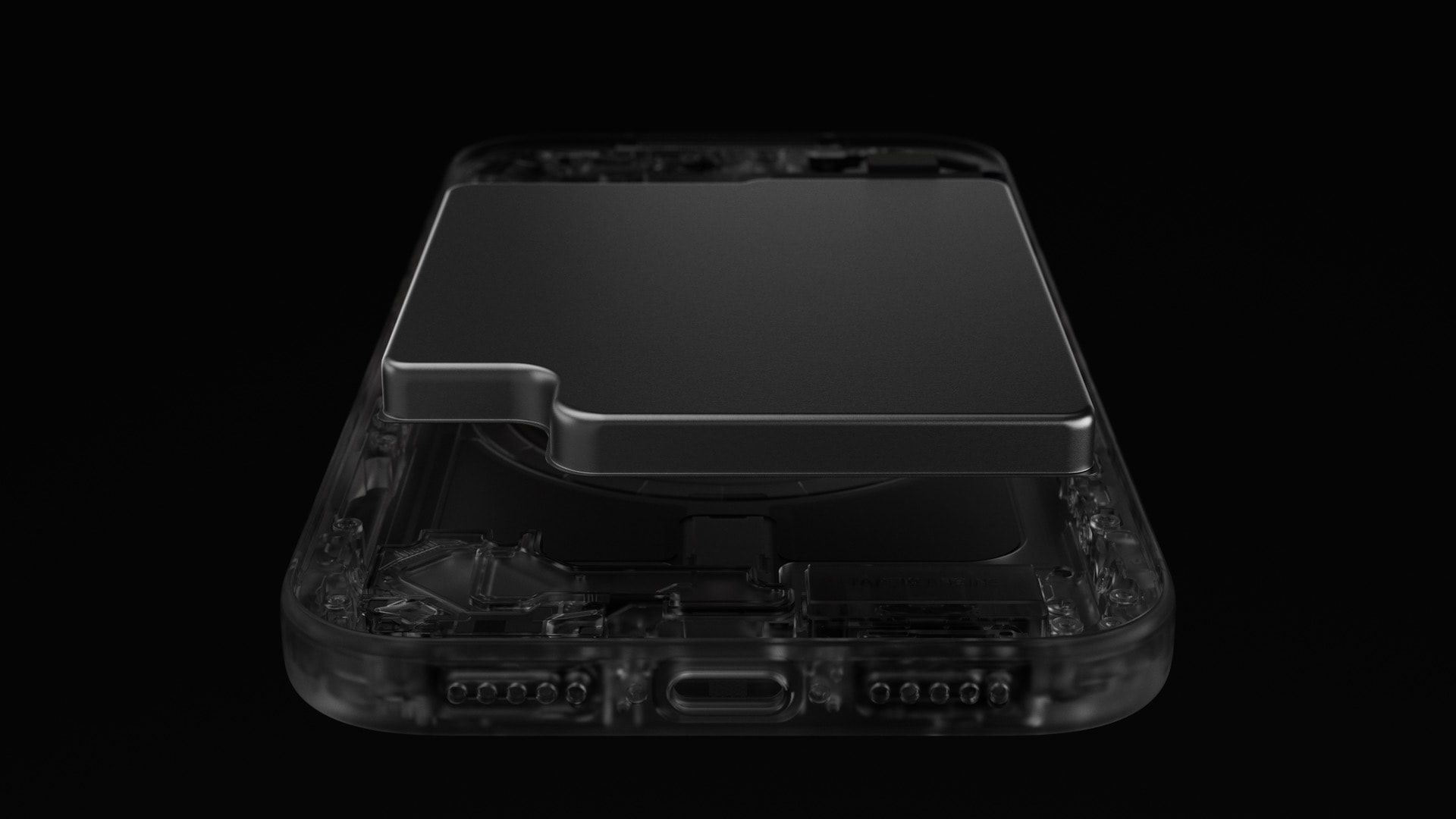
The iPhone Duo incorporates a dual-battery architecture, with one battery positioned on each side of the device, managed by software that allows the cells to operate as a single system. This configuration supports up to 44 hours of video playback on the outer display and 31 hours on the inner panel, according to Ibtimes.
For connectivity, the Duo uses a C2 modem that The New York Times reports provides 50 per cent faster uploads. To ensure durability, Apple equipped the Duo with an IP68 rating for dust and water resistance and Ceramic Shield protection on both the front and back. The Pro series similarly features Ceramic Shield 2 protection.
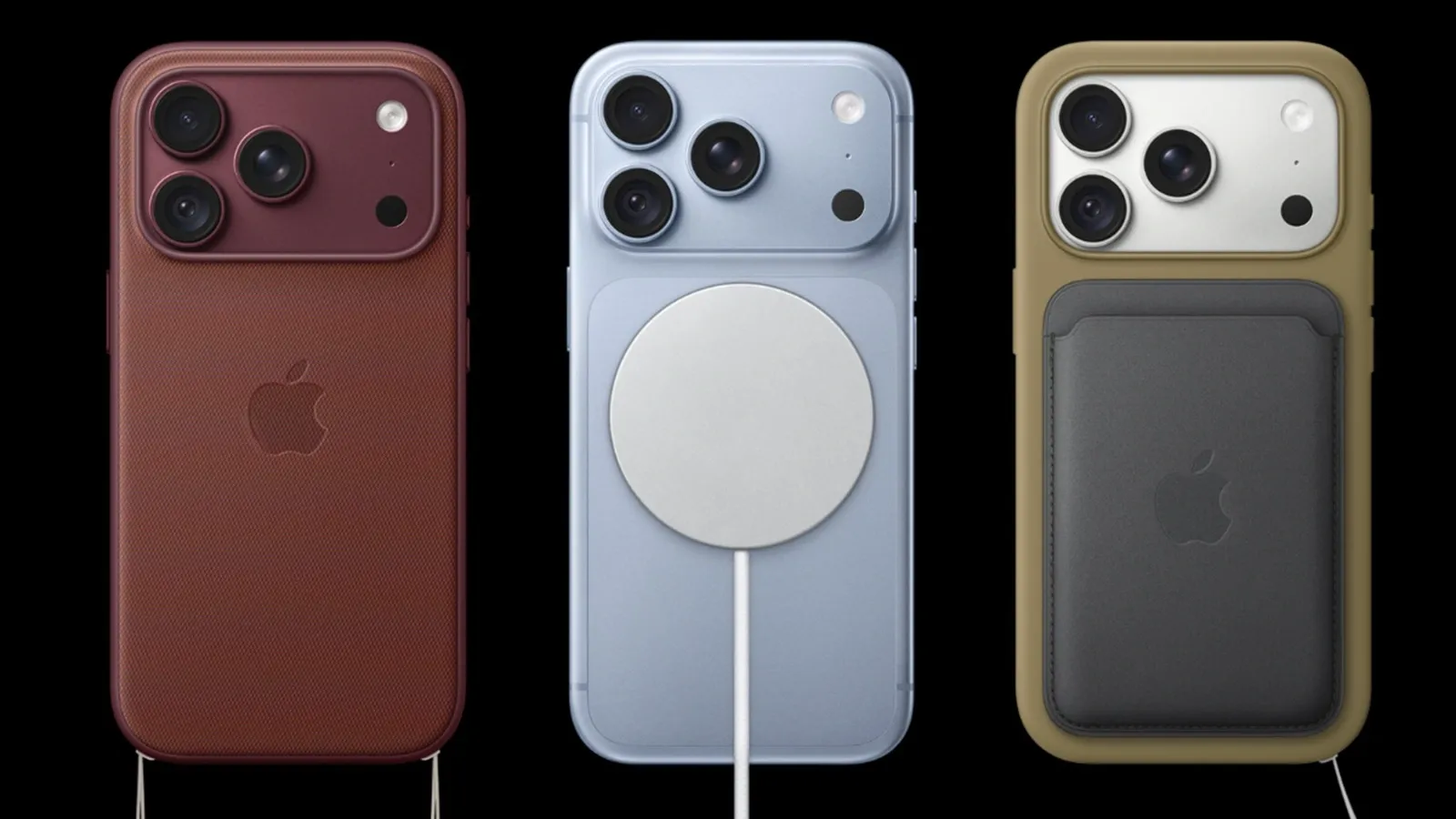
While the Duo is available in Star White and Night Sky, the Pro line includes Burgundy, Glacier, Silver, and Black.
Apple is also introducing Apple Reference Image
to verify if images are original or modified by AI. The iPhone Duo further expands the ecosystem by supporting the USB-C Apple Pencil later this year.
The success of these high-priced bets now rests on software execution and shipping timelines. The iPhone 18 Pro ships September 18, while the iPhone Duo opens for pre-order on October 16 and begins shipping October 23. The final test for these devices will be the October launch of Siri AI, the LLM-driven voice assistant designed to use the A20 Pro's expanded memory bandwidth.
Archypedia is dedicated to independent, evidence-backed reporting. This briefing was synthesized from primary source reporting, corroborated across independent newsrooms, and verified against our Editorial Standards.
Transparency record
Evidence behind this report
This report synthesizes 6 distinct sources. Open the source ledger below to compare the underlying coverage.
Prepared under the Archypedia Editorial Policy by the Niko Vale editorial desk profile. AI-assisted tools may support drafting and verification; public accountability remains with Archypedia. Report an error.