Apple iPhone 18 Pro, Pro Max to launch in India on Sept 18; Redington shares in focus
The new lineup features the iPhone Duo foldable and a variable aperture camera system, as Apple's estimated Indian revenue crosses $10 billion.
Apple is attempting to solve the crisis of AI-generated imagery by introducing a "Reference Image" system that locks original sensor data to prove a photograph has not been manipulated. The feature, debuting on the iPhone 18 Pro and Pro Max, captures signed sensor data and processes it via Private Cloud Compute to create an unalterable file that sits alongside the standard shot in the Photos app.
The move represents a pivot toward verifiable raw data as a counterweight to generative AI. While professional photographers have used raw files for decades, those files do not prove the original image came from a camera. By creating a permanent record, Apple aims to make editing obvious—a necessity for news, sports, and documentary work in an era of convincing text-to-image fakes.
Related YouTube video


The tool faces immediate regulatory hurdles. Apple has confirmed that users in China will not have the feature for regulatory reasons, while buyers in the European Union can view reference images but cannot capture them at launch.
Physical Optics and 2nm Architecture
While recent iterations of the iPhone relied on software algorithms to simulate depth, the iPhone 18 Pro introduces six laser-cut blades inside the 48MP Fusion main camera. This variable aperture physically changes the size of the lens opening across four settings. Wide open, the lens produces a shallower depth of field optically; "stopped down," it can keep larger groups of people sharp without the software "guessing" where the edges of a subject are.
To support this hardware, Apple has released a developer API allowing third-party apps to access the aperture range.
Internally, the device shifts to the A20 Pro, Apple's first phone chip built on a 2nm process. This architecture includes a GPU expanded from six to seven cores, delivering up to 40 percent more speed, and a Neural Engine consisting of two 16-core engines running simultaneously.
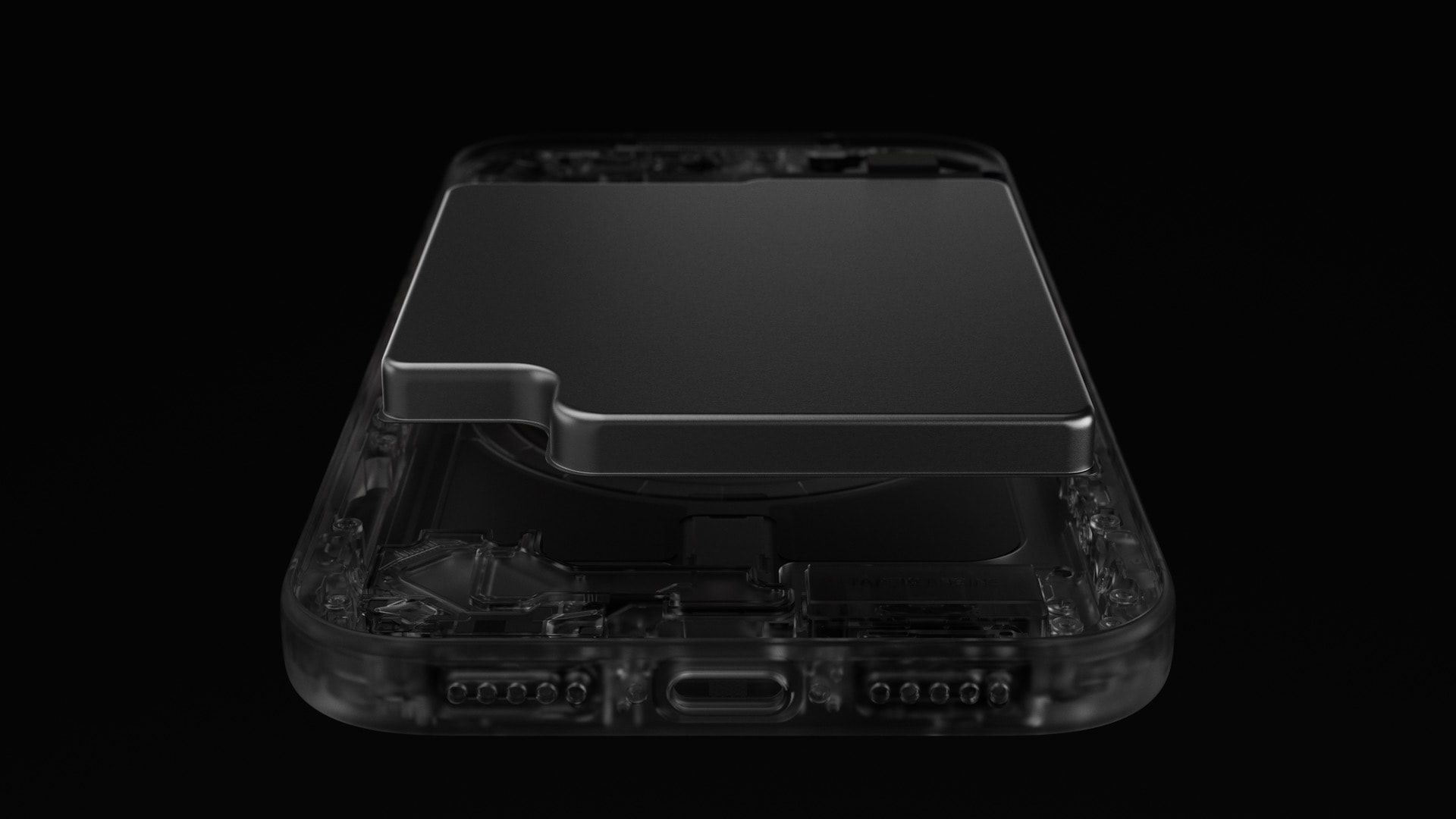
Apple also altered the physical layout of the motherboard, moving memory beside the processor rather than on top. This shift freed space for a vapor chamber with three times the surface area of the iPhone 17 Pro. According to Apple, the result is up to 40 percent better sustained performance during intensive tasks such as 4K exports.
The Foldable Pivot: iPhone Duo
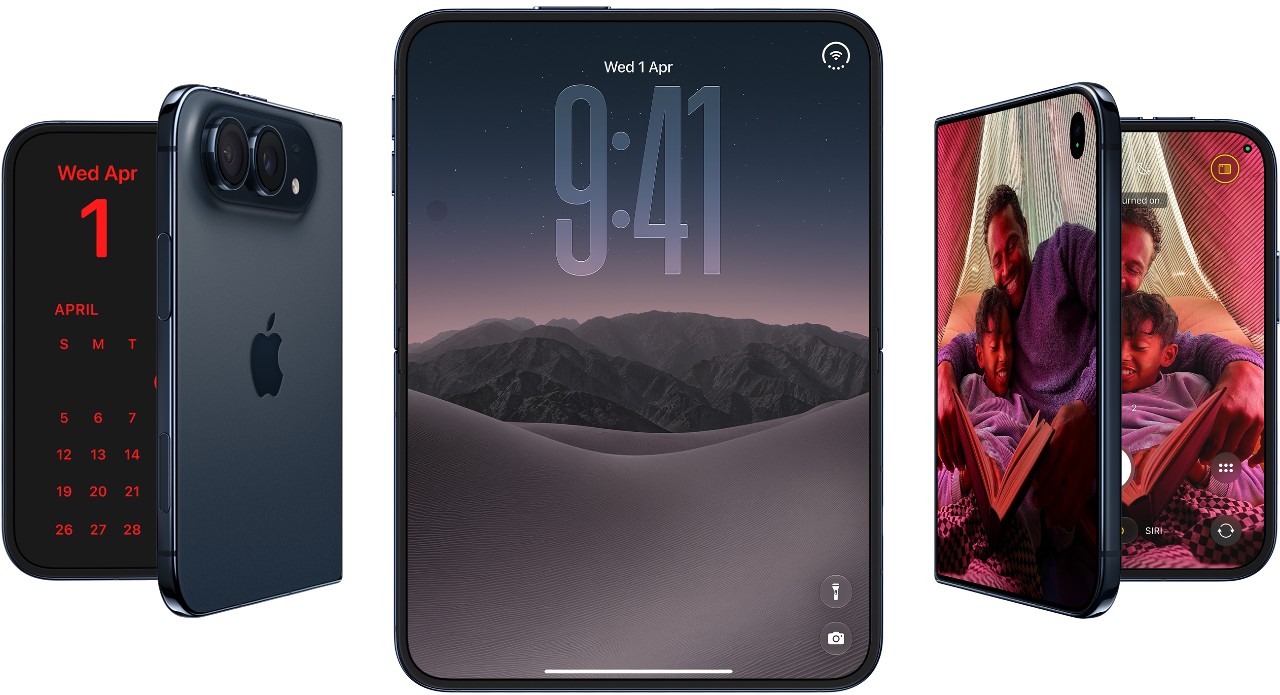
Apple has entered the foldable market with the iPhone Duo, which starts at $1,999. Encased in grade 5 titanium with a 3D-printed titanium hinge cover, the device unfolds from a 5.4-inch outer screen into a 7.6-inch inner Super Retina XDR display. To combat the common issue of foldable creases, Apple used a nano-texture finish and custom adhesives to relieve bend stress.
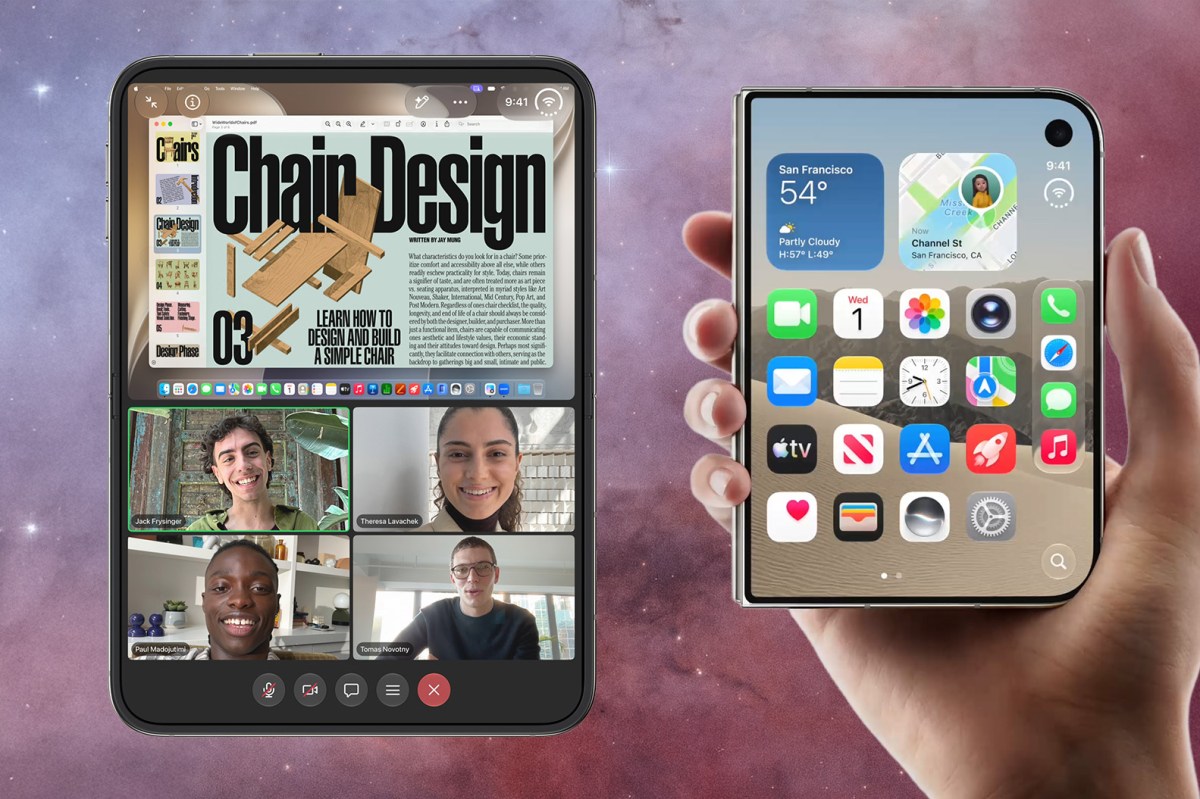
The Duo diverges from other foldables by treating the outer screen as a functional tool rather than a secondary home screen. Specific integrations include:
- Duo Preview: The outer screen acts as a live viewfinder for the subject being photographed.
- Kid Cue: Animations play on the outer screen to attract a toddler's attention toward the lens.
- Duo FaceTime: A person standing next to the user can join a call via the outer panel.
The Duo runs the A20 Pro chip, features a 48MP Dual Fusion camera system, and has no physical SIM tray anywhere in the world. Pre-orders open October 16, with delivery starting October 23.
India Launch and Economic Impact
The iPhone 18 Pro series arrives in India on September 18, with pre-bookings beginning September 12. This launch follows a year of record performance where Apple's Indian revenue is estimated to have crossed $10 billion (approximately ₹1 lakh crore), driven by 14 million unit shipments in FY26—a 24 percent year-on-year increase according to Counterpoint research.
This growth has directly benefited Redington, a major Apple distributor in India. Following the launch announcement, Redington shares hit a 52-week high of ₹398.45 on the NSE. The company reported a consolidated profit after tax of ₹486 crore in Q1 FY27, a 77 percent increase over the previous year.
| Model | Starting Price (India) | Storage Tiers | Colors |
|---|---|---|---|
| iPhone 18 Pro | ₹1,64,900 | 256GB, 512GB, 1TB, 2TB | Deep Black, Silver, Glacier Blue, Burgundy |
| iPhone 18 Pro Max | ₹1,79,900 | 256GB, 512GB, 1TB, 2TB | Deep Black, Silver, Glacier Blue, Burgundy |
Aesthetic Shifts and Accessories
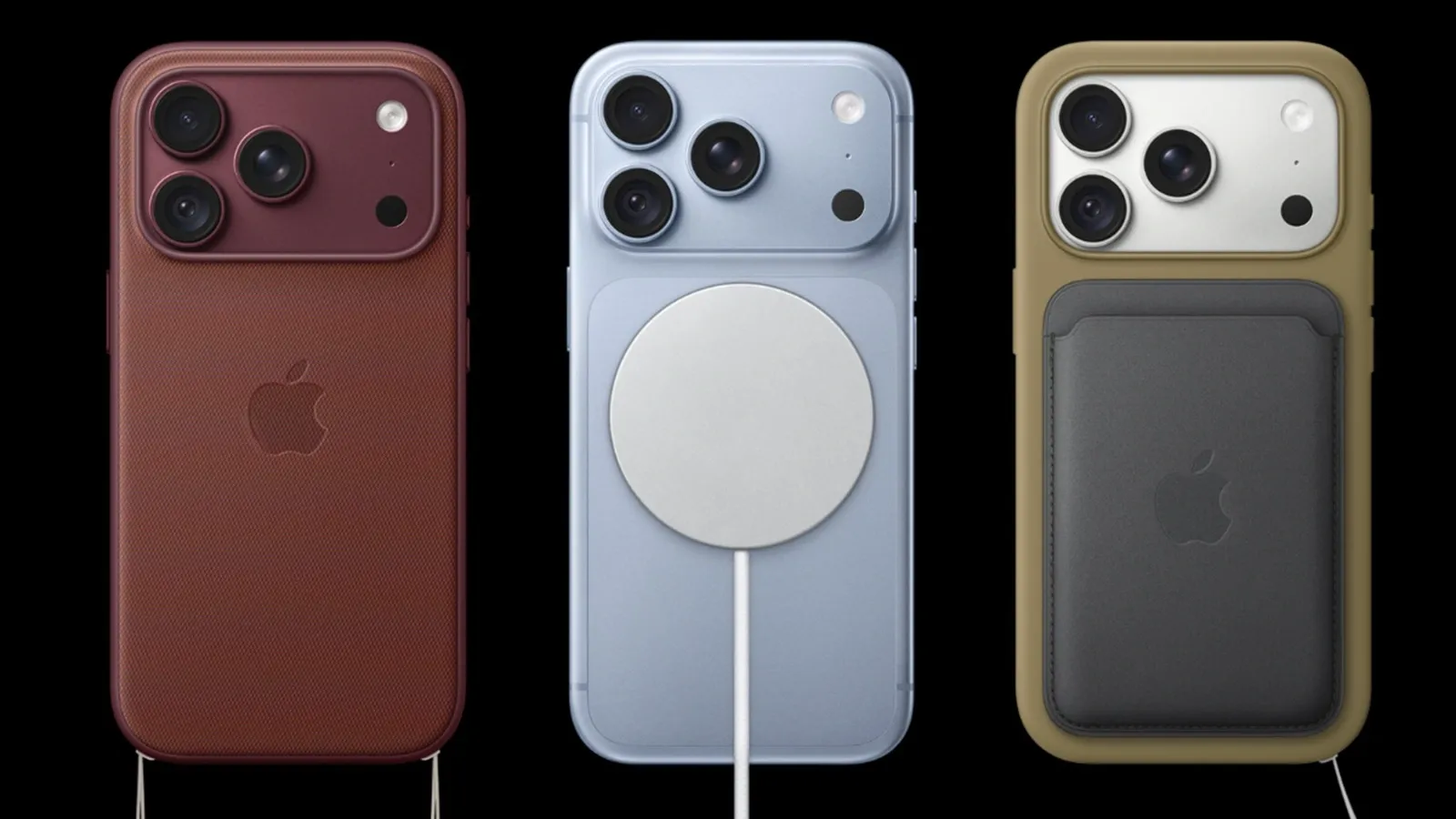
After the iPhone 17 Pro lacked a black option, Apple has returned to the color with a "Deep Black" finish. The remaining palette includes "Glacier Blue," a refined "Silver," and "Burgundy," the latter positioned as the successor to Cosmic Orange. Apple also color-matched the rear aluminum and Ceramic Shield glass to reduce the glazed effect seen in previous models.
Complementing the hardware, Belkin has released the Titan SmartShield Pro collection. This includes a "Blue-to-Red" protector that converts blue light to red light to reduce eye strain, and a "Bright Privacy" filter that is 10 percent brighter than standard privacy protectors, which Belkin claims can deliver up to 10 percent longer battery life under controlled conditions.
Frequently Asked Questions
What is the physical difference between the variable aperture and software bokeh?
Software bokeh uses algorithms to guess edges and blur the background. The iPhone 18 Pro's six-blade variable aperture physically changes the size of the lens opening, allowing for a shallower depth of field naturally (optically) or a wider focus area without software guessing.
How does the 'Reference Image' protect against AI fakes?
It captures signed sensor data that is processed via Private Cloud Compute. This creates a permanent, unalterable version of the photo. Any subsequent edits to the image can be revealed by comparing the final photo to the original Reference Image.
Does the iPhone Duo have a SIM tray?
No, the iPhone Duo has no physical SIM tray anywhere in the world.
The shift toward authenticity tools marks a rare instance of Apple adopting an outside standard. Apple has announced it will integrate SynthID, a watermarking standard developed by Google for AI-generated imagery, via a software update later this year.
Archypedia is dedicated to independent, evidence-backed reporting. This briefing was synthesized from primary source reporting, corroborated across independent newsrooms, and verified against our Editorial Standards.
Transparency record
Evidence behind this report
This report synthesizes 8 distinct sources. Open the source ledger below to compare the underlying coverage.
- popsci.com
- upstox.com
- theverge.com
- finanznachrichten.de
- 9to5mac.com
- macrumors.com
- ithinkdiff.com
- troyrecord.com
Prepared under the Archypedia Editorial Policy by the Niko Vale editorial desk profile. AI-assisted tools may support drafting and verification; public accountability remains with Archypedia. Report an error.