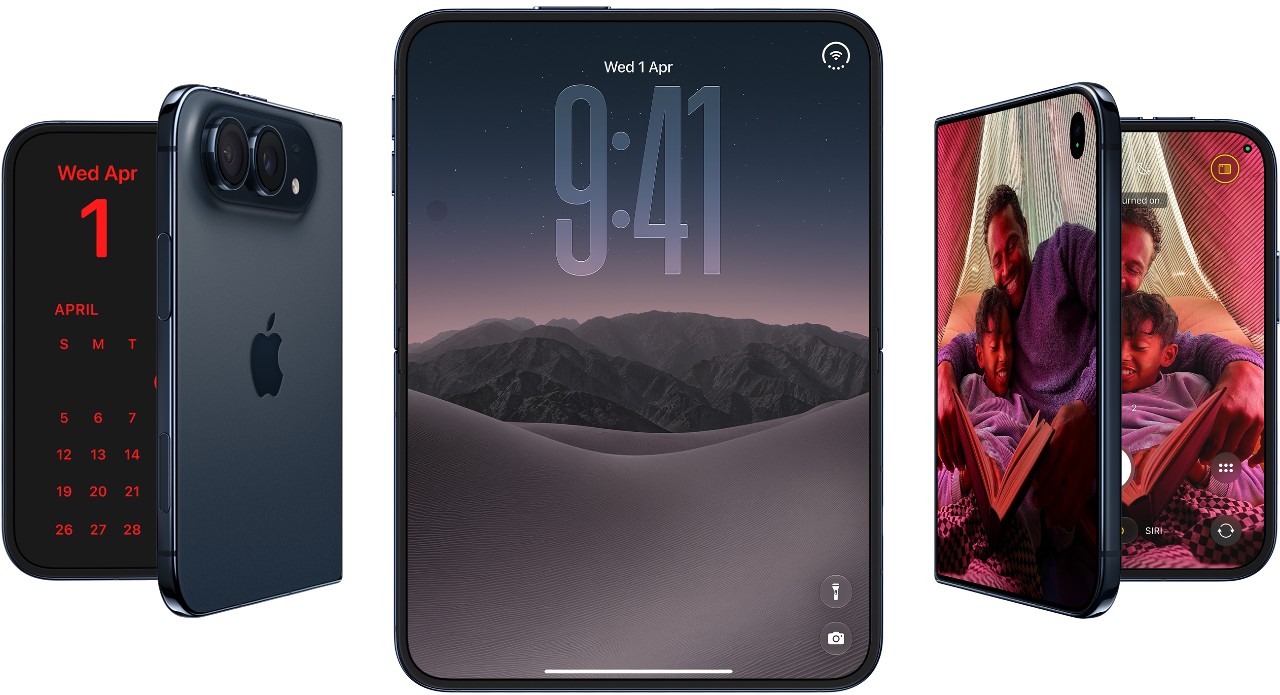
Apple iPhone Duo launches to rival Google and Samsung foldables
Apple's $1,999 iPhone Duo brings iOS to the folding market, sparking an intense hardware and marketing rivalry with Samsung's Galaxy Z Fold8.

Apple Enters the Foldable Market With the iPhone Duo
SAN FRANCISCO — Apple’s long-awaited entry into the folding device market has arrived, bringing its tightly integrated iOS ecosystem into the folding form factor for the first time with the debut of the $1,999 iPhone Duo, according to reporting by lifehacker.com and techrepublic.com. This launch triggers an immediate collision between the world's most valuable consumer tech brand and established Android competitors who spent years building the category. Yet the release has laid bare an intense industry feud over who truly owns the foldable revolution, drawing sharp retorts from rivals accusing Apple of arriving late to a market they pioneered, as detailed by androidpolice.com and usatoday.com.
Competitors wasted no time firing shots as Apple unveiled its passport-style handset, which features a wider, shorter aspect ratio. Samsung, riding an eighth-generation wave that saw European sales of its Galaxy Z series surge 50 percent over previous iterations, launched a coordinated global marketing blitz across Times Square, Piccadilly Circus, Shibuya Station, and Seoul, according to Androidpolice. Publicly mocking the debut, Samsung Mobile US posted on X, Let us know when you’re done reheating our leftovers,
while executives from both camps traded barbs over copycat aspect ratios and what Apple leadership criticized as the cheap-feeling plastic surfaces
of rival devices, as reported by androidpolice.com.
Related YouTube video

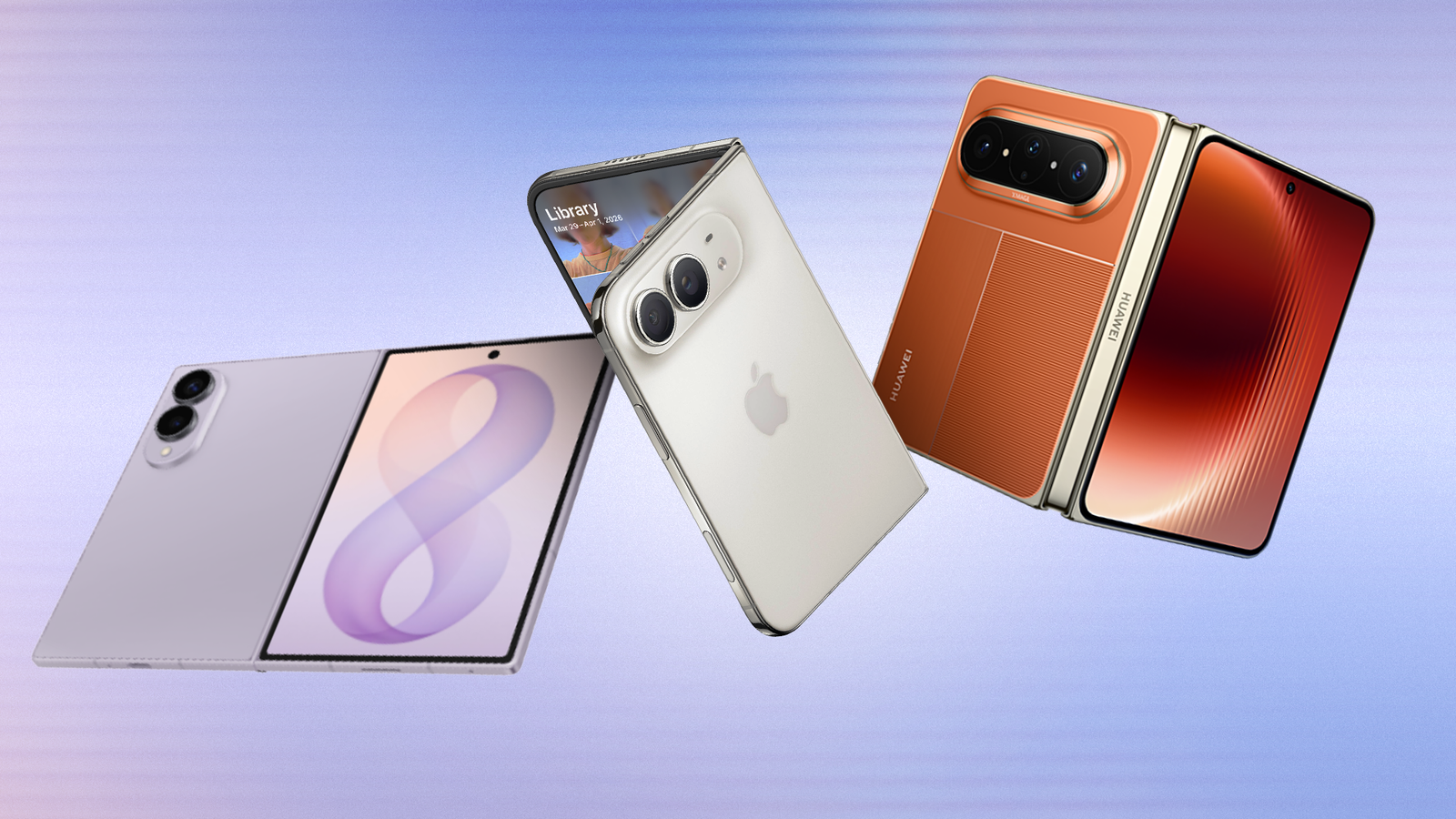
Hardware Realities and Portability Trade-offs
Beneath the marketing posturing lies a stark physical divergence between Apple’s debut and Samsung’s mature hardware. According to specifications analyzed by TechRepublic, the iPhone Duo weighs 254 grams and measures 11.3mm thick when folded, compared to the Galaxy Z Fold8's lighter 201-gram chassis and 9.7mm folded thickness. Both devices unfold to reveal matching 7.6-inch OLED displays featuring ProMotion up to 120Hz, paired with compact outer screens measuring 5.4 inches on the Apple device and 5.5 inches on Samsung's, as noted by Lifehacker and techrepublic.com.
Durability ratings and internal specifications further divide the two flagships. The iPhone Duo secures an IP68 dust and water resistance rating alongside a maximum storage capacity of 2TB, backed by Apple's A20 Pro chip and 12GB of RAM. The Galaxy Z Fold8 counters with an IP48 rating, tops out at 1TB of storage, packs either 12GB or 16GB of RAM depending on the tier, and runs on Qualcomm’s Snapdragon 8 Elite Gen 5 for Galaxy, according to lifehacker.com and Techrepublic. Camera configurations remain remarkably similar on paper: both skip a dedicated telephoto lens on their standard models, relying instead on dual main and ultrawide sensors that deliver 2x optical-quality zoom.
| Specification | Apple iPhone Duo | Samsung Galaxy Z Fold8 |
|---|---|---|
| Starting US Price | $1,999 | $1,899.99 |
| Weight | 254g | 201g |
| Thickness (Folded) | 11.3mm | 9.7mm |
| Main Display Size | 7.6 inches (OLED, 120Hz) | 7.6 inches (Dynamic AMOLED 2X, 120Hz) |
| Cover Display Size | 5.4 inches | 5.5 inches |
| Maximum Storage | 2TB | 1TB |
| RAM | 12GB | 12GB or 16GB |
| Ingress Protection | IP68 | IP48 |
| SIM Card Support | eSIM-only | Nano-SIM and eSIM |
Ecosystem Integration Versus Software Maturity
The software divide highlights contrasting philosophies on how users interact with a folding screen. Samsung benefits from eight generations of refinement, offering Multi Window, a persistent Taskbar, App Continuity, and Samsung DeX to drive desktop-style workflows on external monitors, as reported by techrepublic.com. Apple counters with an elegant adaptation of iOS featuring split-screen capabilities, resizable layouts, drag-and-drop support, and saved app pairs, drawing heavily on the company's iPad interface experience, according to lifehacker.com and techrepublic.com. Furthermore, Apple has announced upcoming Apple Pencil support for the USB-C model later in 2026, whereas Samsung maintains that the Galaxy Z Fold8 does not support an S Pen.
For everyday users, the decision frequently hinges on brand allegiance and ecosystem lock-in. The iPhone Duo anchors itself firmly within Apple’s network of Macs, Apple Watches, AirPods, and iCloud services, while remaining strictly eSIM-only worldwide. Conversely, the Galaxy Z Fold8 provides physical nano-SIM card flexibility alongside eSIM support, making it an easier choice for frequent international travelers who rely on physical carrier swapping, as noted by techrepublic.com.
Frequently Asked Questions
How much does the iPhone Duo cost compared to the Galaxy Z Fold8?
The iPhone Duo starts at $1,999, while the Samsung Galaxy Z Fold8 starts at $1,899.99, placing both devices in roughly the same $2,000 price bracket.
Do either of these standard folding phones include a telephoto camera lens?
Neither model features a dedicated telephoto lens; both rely on their main sensors to provide 2x optical-quality zoom.
When can buyers purchase the iPhone Duo?
Preorders for the iPhone Duo begin on Friday, October 16, 2026, with devices arriving in stores and shipping to customers on October 23, 2026.
As retail channels prepare for the upcoming release, manufacturer claims regarding battery endurance remain unverified by independent testers. Apple advertises up to 44 hours of video playback on the outer display and 31 hours on the inner screen, while Samsung lists a 4,800mAh battery capacity supporting up to 26 hours of video playback, according to data compiled by lifehacker.com and techrepublic.com. Because the two tech giants use different testing methodologies, true battery performance, hinge longevity, and the real-world visibility of the display crease will remain open questions until preorders open on Friday, Oct. 16, 2026, and units reach buyers' hands following the Oct. 23 shipping date.
Archypedia is dedicated to independent, evidence-backed reporting. This briefing was synthesized from primary source reporting, corroborated across independent newsrooms, and verified against our Editorial Standards.
Transparency record
Evidence behind this report
This report synthesizes 4 distinct sources. Open the source ledger below to compare the underlying coverage.
Prepared under the Archypedia Editorial Policy by the Niko Vale editorial desk profile. AI-assisted tools may support drafting and verification; public accountability remains with Archypedia. Report an error.