Apple unveils folding iPhone Duo and iPhone 18 at fall event
New CEO John Ternus has debuted a two-directional pricing strategy, pairing a luxury foldable device with more affordable entry-level audio hardware.
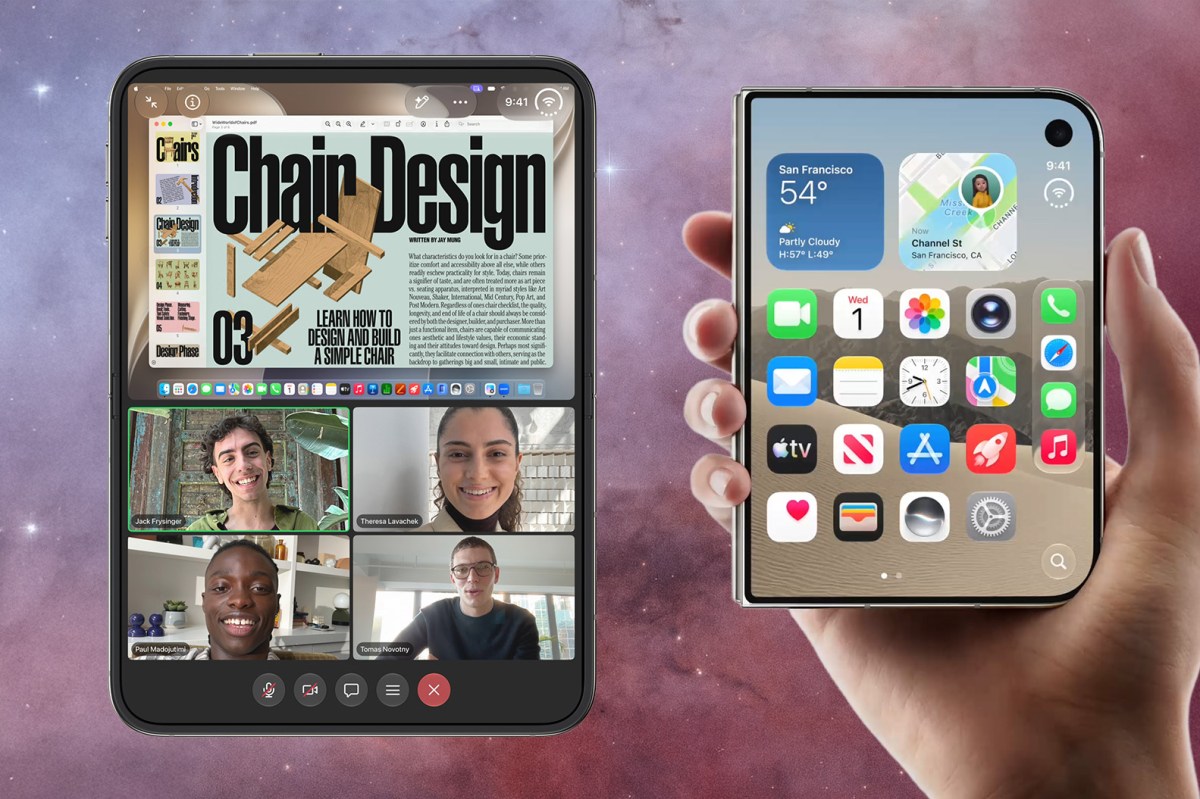
Apple has established a stark new pricing divide in its hardware ecosystem, launching the most expensive iPhone in company history alongside a lower entry point for its noise-canceling audio. At a September 9, 2026 event, the company debuted the iPhone Duo, a foldable device starting at $1,999, while simultaneously reducing the cost of active noise cancellation (ANC) for the new AirPods 5, which start at $129 — down from the $179 entry price for ANC on the previous AirPods 4.
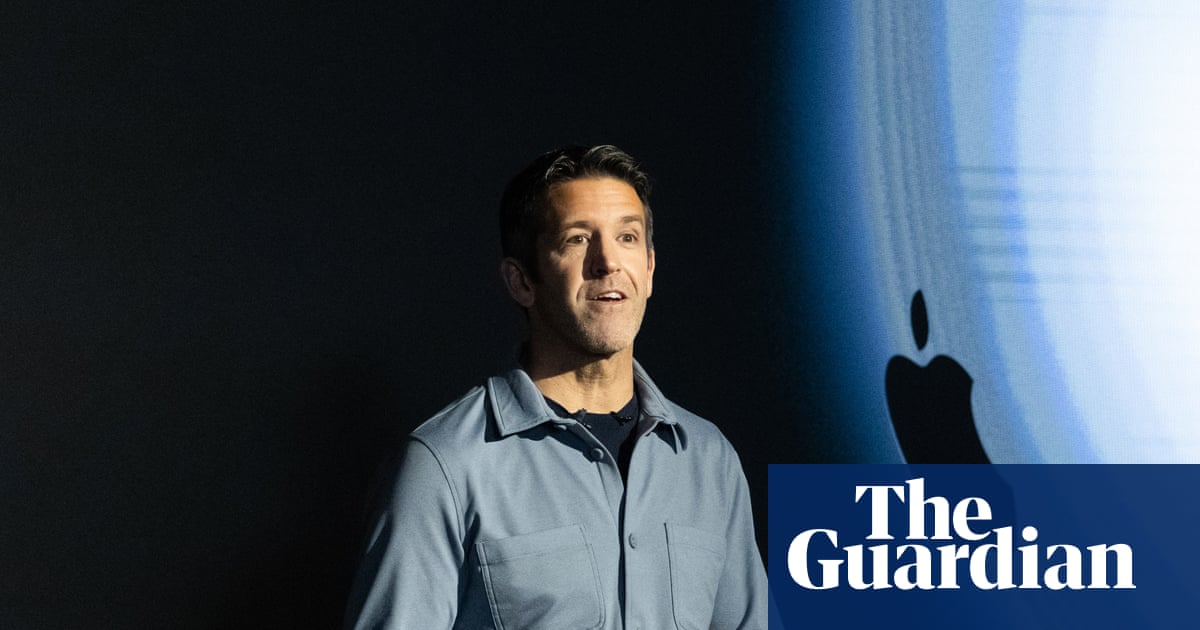
The event served as the first keynote for new CEO John Ternus, who succeeded Tim Cook on September 1, 2026. Under Ternus, the company is pivoting toward a two-directional
market strategy, according to IDC analyst Francisco Jeronimo via Yahoo Finance, by widening ecosystem access at the bottom of the price range and opening a super-premium
tier at the top.
Related YouTube video


The iPhone Duo: Luxury vs. Technical Trade-offs
The iPhone Duo is a book-style foldable that Apple describes as its thinnest iPhone when opened. To combat the industry-wide problem of the screen crease, Apple used a nano-texture finish to minimize visibility and custom adhesives to relieve bend stress in the display layers, according to Popsci. The enclosure is constructed from grade 5 titanium with a 3D-printed titanium hinge cover.
Despite the premium positioning, the Duo contains significant hardware omissions. Unlike the Pro slab models, the Duo lacks a telephoto lens and contains no physical SIM tray in any global market. It relies on a 48MP Dual Fusion system consisting of a Main lens and an Ultra Wide lens.
Software utilities are tailored to the dual-screen design. Duo Preview allows the outer screen to act as a viewfinder for the subject, while Kid Cue uses animations to attract a toddler's attention to the lens. Inside, the 7.6-inch display supports split-screen multitasking for two apps.
iPhone 18 Pro: Variable Aperture and 2nm Architecture
The iPhone 18 Pro and Pro Max move the needle on optical physics with a mechanical variable aperture. The 48MP Fusion main camera now features six laser-cut blades that physically adjust the opening. This allows for a shallower depth of field produced optically rather than via software algorithms, or a stopped down
setting to keep larger groups in focus without relying on Portrait mode.
Powering these devices is the A20 Pro, the first high-volume smartphone processor manufactured on a 2nm node. To support sustained performance, Apple redesigned the chip to place memory beside the processor rather than on top of it. This layout freed space for a vapor chamber with three times the surface area of the one found in the iPhone 17 Pro.
| Model | Starting Price | Video Playback (eSIM) | Real-World Usage |
|---|---|---|---|
| iPhone Duo | $1,999 | 31 hrs (inner) / 44 hrs (outer) | 24 hours |
| iPhone 18 Pro | $1,199 | 36 hours | Not specified |
| iPhone 18 Pro Max | $1,299 | 45 hours | 30 hours |
The Battle Against AI Fakes
With the rise of generative AI, Apple is introducing Reference mode
to verify photographic authenticity. When enabled, the iPhone 18 Pro's sensor captures signed sensor data, which is processed via Private Cloud Compute to create an Apple Reference Image. This file is stored in Photos and cannot be altered, allowing users to compare the original capture with any edited version to make modifications obvious.
This system is not universally available. Apple noted that the feature is unavailable in China due to regulatory reasons, and EU buyers can only view reference images — not capture them, at launch. Furthermore, Apple will integrate Google's SynthID watermarking standard for AI-generated imagery in a later software update.
Clinical Expansion of the Health App
Apple is pushing its Health app into clinical territory with a new Longevity
tab. This feature calculates a Health Age
by comparing a user's VO2 max, resting heart rate, and sleep against their chronological age. In a move toward direct medical integration, Apple's Labs
allows users to schedule and pay for blood panels, testing 50 or more biomarkers, for $119 through roughly 2,000 Quest Diagnostics locations in the U.S.
The accompanying Apple Watch Series 12 and Ultra 4 support this via a new Health Sensing System that samples heart rate every five seconds and heart rate variability (HRV) roughly every five minutes.
Frequently Asked Questions
Will the iPhone Duo have a visible crease?
Apple is using a nano-texture finish and custom adhesives to minimize the visibility and tactile feel of the crease, though a visible fold remains a common characteristic of foldable hardware.
What are the regional restrictions on Siri AI?
Siri AI is launching in English first, with French, Japanese, Korean, Portuguese, and Spanish following in October. It is not available in the EU at launch or for users under 13.
How does the A20 Pro improve performance?
The shift to a 2nm process and a larger vapor chamber allows for up to 40 percent better sustained performance and a GPU that is up to 40 percent faster.
Despite the hardware advancements, the software experience remains tethered to a shifting cost model. While Siri AI and new photo tools are arriving as part of iOS 27 on September 14, 2026, they are labeled as beta
and subject to daily usage limits. Apple has stated that expanded access to these server-side AI features will require a fee in the future, though the company has not yet specified the price or the exact limits.
The primary remaining uncertainty is how the market will absorb the high price of the foldable. AT&T CEO John Stankey told Yahoo Finance that he expects the device to be contained to a portion of the user base willing to invest more money for a larger device, noting that foldables have functioned more as a niche application in the Android ecosystem. The definitive test of this strategy will be the sales figures following the iPhone Duo's October 23 release.
Archypedia is dedicated to independent, evidence-backed reporting. This briefing was synthesized from primary source reporting, corroborated across independent newsrooms, and verified against our Editorial Standards.
Transparency record
Evidence behind this report
This report synthesizes 7 distinct sources. Open the source ledger below to compare the underlying coverage.
Prepared under the Archypedia Editorial Policy by the Niko Vale editorial desk profile. AI-assisted tools may support drafting and verification; public accountability remains with Archypedia. Report an error.