AMD Ryzen AI Halo developer mini PC launches in the US for $3,999
AMD has entered the compact developer hardware market with the Ryzen AI Halo, a $3,999 mini PC designed for local model development with pre-configured software.
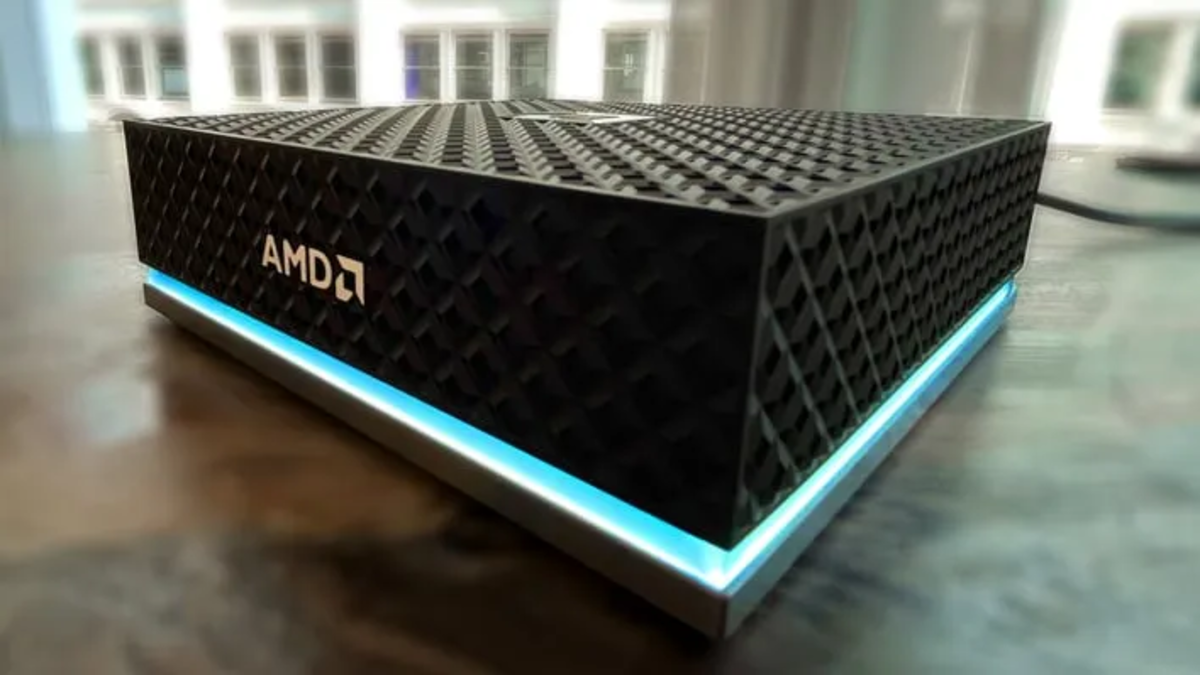
AMD has officially entered the compact developer hardware market with the launch of the Ryzen AI Halo, a turn-key mini PC designed to facilitate local model development. Available in the United States as of today, July 7, 2026, the system arrives with a price tag of $3,999. The platform serves as a direct competitor to Nvidia’s DGX Spark, offering a standardized, out-of-the-box experience intended to bypass the complexity of assembling and configuring bare-metal hardware for local AI tasks.
The system is built around the Ryzen AI Max+ 395, a Strix Halo system-on-a-chip featuring 16 Zen 5 cores and 32 threads. Hardware specifications include 128GB of soldered LPDDR5X-8000 unified memory, a 2TB PCIe 4 SSD, and integrated Radeon 8060S graphics with 40 RDNA 3.5 compute units. According to product listings, the device also incorporates an XDNA 2 NPU capable of 50 TOPS.
Related media
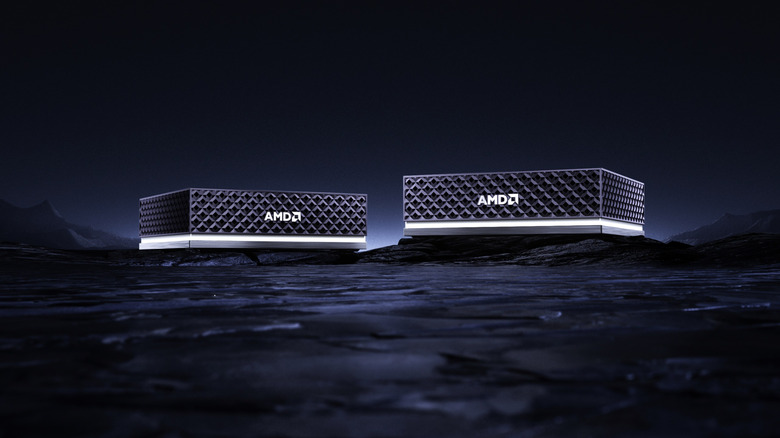
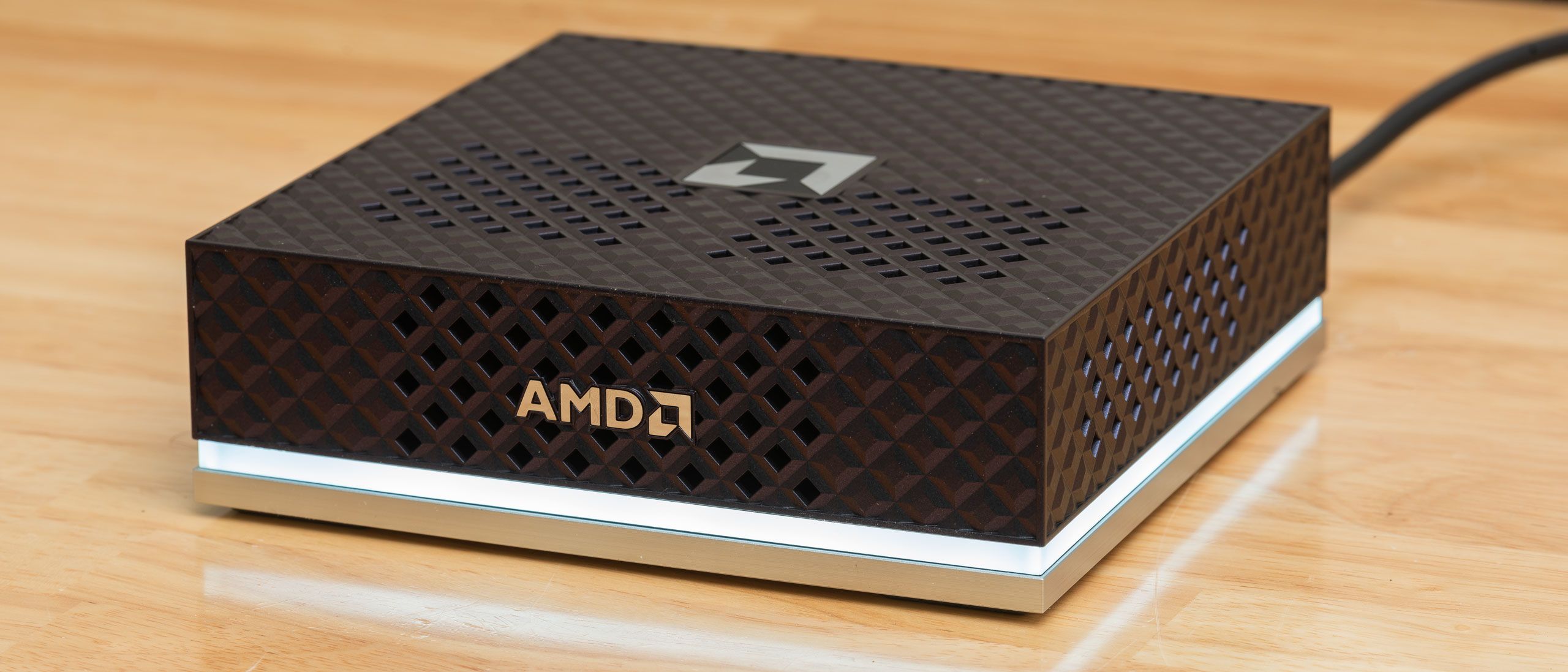
A primary point of differentiation highlighted by AMD is operating system flexibility. While the competing Nvidia DGX Spark platform is restricted to Linux, the Ryzen AI Halo is available in two variants: one pre-configured with Windows 11 Pro and another with Linux. Both versions are listed at the same $3,999 price point. The hardware is housed in an aluminum chassis measuring 149 x 149 x 43mm, featuring a color-shifting finish and an LED light bar that communicates system status, which can be toggled via the pre-installed AI Developer Center application.
The platform’s software strategy centers on reducing the friction often associated with DIY setups. The system comes pre-configured with the ROCm 7.2.2 suite and includes pre-loaded playbooks for tools such as LM Studio, ComfyUI, and VS Code. AMD emphasizes that these resources are designed to allow developers to begin running workloads immediately without building pipelines from scratch. Despite this, reviews have noted varying outcomes. As reported by Tom's Hardware, while the hardware provides a functional base, the overall performance and software compatibility in certain configurations may still trail behind the Nvidia GB10-based systems.
Market Positioning and Future Roadmap
AMD is pitching the Ryzen AI Halo as an economic alternative for developers currently paying for cloud-based compute. The company claims that a developer spending $773 per month on AI tokens could theoretically offset the hardware’s $3,999 cost in approximately six months. Market context provided by Tweaktown notes that the system holds a price advantage over the current market cost of the Nvidia DGX Spark, which has seen its price rise to $4,679 due to supply constraints for LPDDR5X memory and NAND flash. However, third-party alternatives using the same Strix Halo silicon exist at lower price points, such as the Corsair AI Workstation 300, which starts at $2,699.
Looking ahead, AMD has confirmed an expansion of its hardware offerings:
- Q3 2026: A second generation of hardware is expected to launch, led by the Ryzen AI Max+ PRO 495 chip.
- Capacity Increase: The upcoming PRO 495 variant will support up to 192GB of unified memory.
- Performance Bumps: The new chip is slated to feature a 5.2GHz boost clock and an NPU upgrade to 55 TOPS.
Current Availability and Connectivity
In the United States, the Ryzen AI Halo is available exclusively through Micro Center. Availability is currently restricted to in-store pickup, with local stock expected by July 10, 2026. The device includes robust connectivity options, though reviewers have pointed to physical limitations. The system features a 10GbE LAN port, Wi-Fi 7, and four USB-C ports. Because the unit relies on air intakes located on the top and sides, the manufacturer cautions against blocking these areas, which limits the ability to orient the PC vertically in cramped server racks or home labs.
While the current Ryzen AI Halo serves as a turn-key entry point for local development, it remains a specialized piece of hardware. It is not positioned as a general-purpose gaming rig, but rather as an environment for building and iterating on models with parameters reaching up to 200 billion.
How significant is this development?
Contribute your assessment to the aggregated reader intelligence ledger.
Archypedia is dedicated to independent, evidence-backed reporting. This briefing was synthesized from primary source reporting, corroborated across independent newsrooms, and verified against our Editorial Standards.
Transparency record
Evidence behind this report
This report synthesizes 4 distinct sources. Open the source ledger below to compare the underlying coverage.
Prepared under the Archypedia Editorial Policy by the Niko Vale editorial desk profile. AI-assisted tools may support drafting and verification; public accountability remains with Archypedia. Report an error.