Scientists develop wearable microneedle sensor to track dopamine levels
Scientists at the Shenyang Institute of Automation have created a microneedle patch for real-time dopamine monitoring, highlighting the distinction between clinical technology and unregulated wellness products.

A new frontier in neurological health has emerged, split between genuine clinical innovation and a growing trend of consumer wellness products. On one hand, researchers at the Shenyang Institute of Automation under the Chinese Academy of Sciences have developed a wearable biosensor designed to track dopamine concentrations in real time. On the other hand, the market is currently flooded with non-prescription "dopamine patches" marketed as lifestyle aids for focus and mood, a category that faces significant skepticism from medical experts.
Scientific Innovation: The Microneedle Sensor
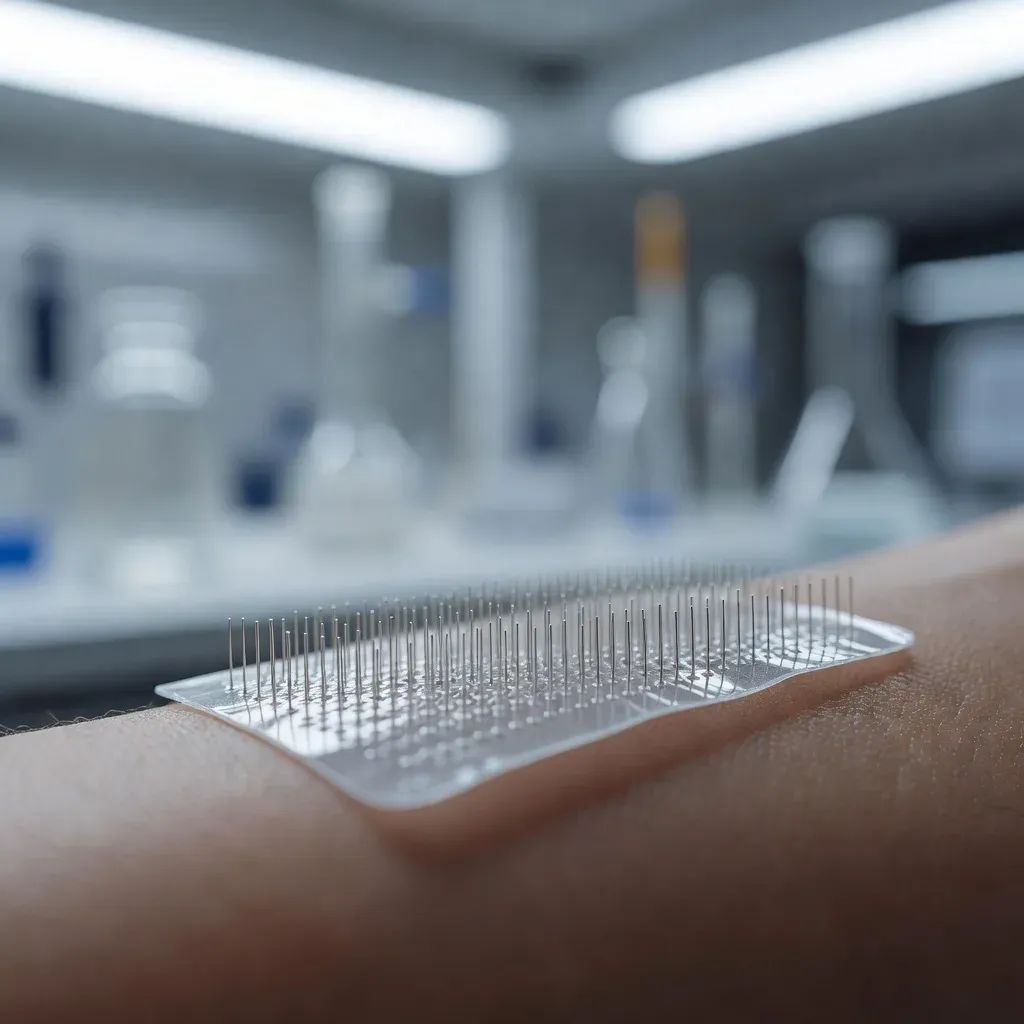
The research team in China published findings in the August 2026 issue of the journal Biosensors and Bioelectronics detailing a "rapid and ultrasensitive" sensor. This device utilizes microneedle technology to sample interstitial fluid from just beneath the skin's surface. Unlike traditional diagnostic methods that require invasive blood draws or laboratory analysis, this patch offers painless, continuous monitoring. The design incorporates a hydrogel matrix to stabilize sensing elements, maintaining contact with sub-dermal fluid for consistent readings.
Related media

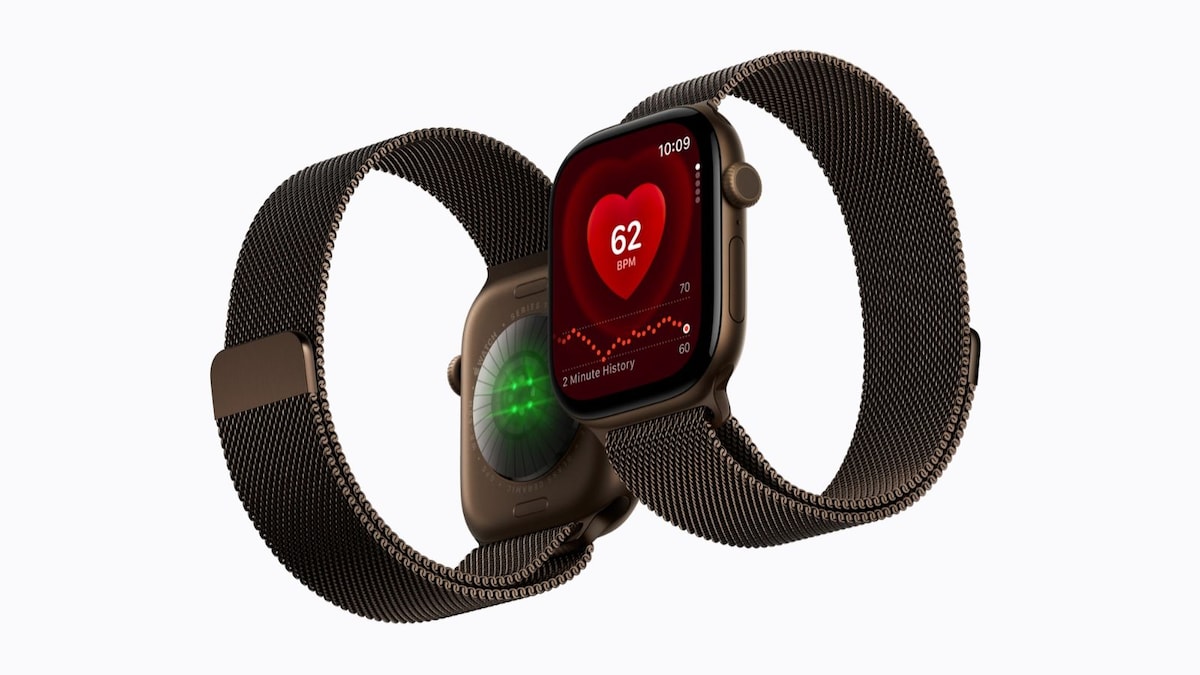
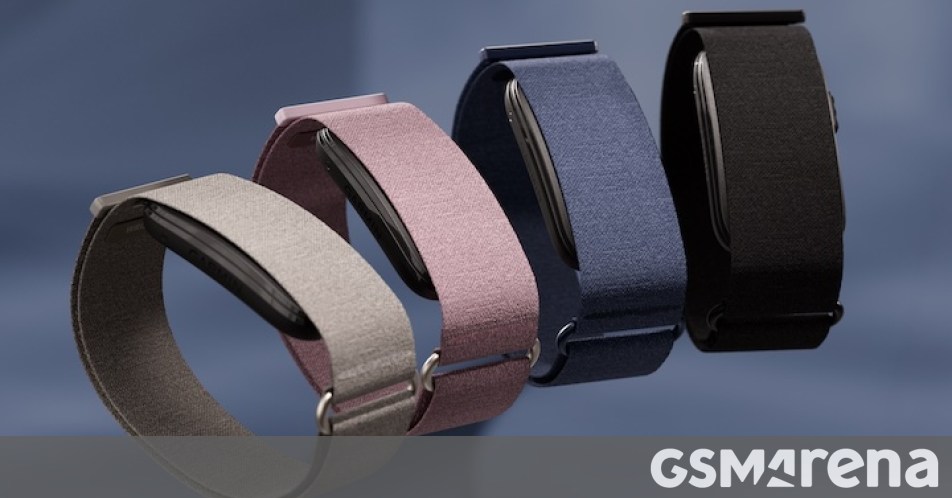
Scientists behind the project suggest that the ability to track dopamine—a critical neurotransmitter involved in neural function and mental health—could provide a pathway for early screening of conditions like Parkinson’s disease and depression. Because Parkinson’s is characterized by the deterioration of dopamine-producing nerve cells, real-time data could shift the diagnostic paradigm. While the device remains in the research stage with no defined clinical trial roadmap, its development positions the research group among global competitors attempting to move wearable tech beyond heart rate and blood oxygen monitoring toward complex neurochemical sensing.
The "Dopamine Patch" Wellness Trend
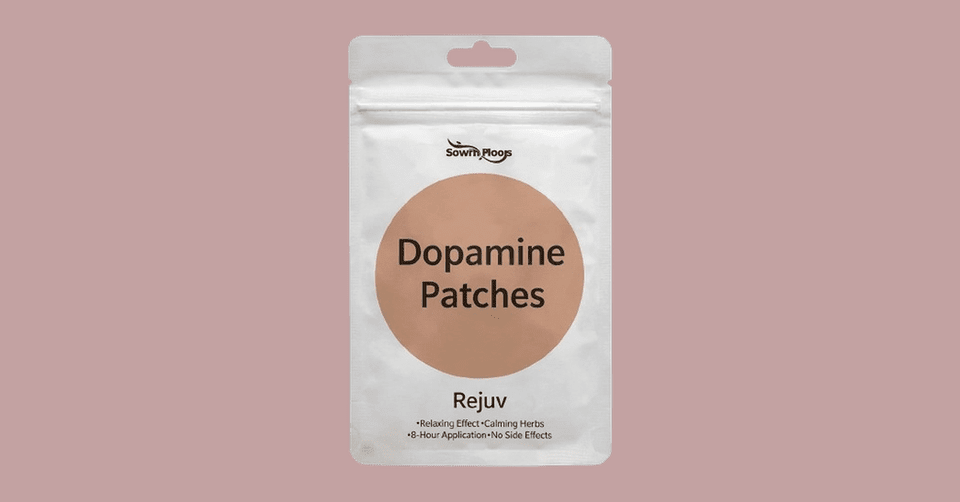
Contrasting this medical engineering, a wave of over-the-counter products marketed as "dopamine patches" has gained visibility on social media. These products, such as those from the brand Kind Patches, are typically marketed as tools to improve attention, energy, and mood. According to Supplementmag, these patches often contain herbal ingredients like Lion’s Mane mushroom, 5-HTP, Rhodiola, and Mucuna pruriens. Manufacturers claim these transdermal patches bypass the digestive system to provide steady, sustained delivery of these compounds.
However, medical professionals caution that these consumer products are fundamentally distinct from medical-grade therapies. Experts highlight a critical scientific hurdle: dopamine itself is a highly polar, large molecule that cannot cross the blood-brain barrier or even permeate the skin effectively to exert neurological effects. As noted by Neurolaunch, even if these ingredients reached the bloodstream, they would not be "dopamine" in the way users expect.
Clinical Reality vs. Marketing
In medical practice, the term "dopamine patch" is a misnomer often confused with rotigotine, a prescription dopamine agonist marketed as Neupro. Rotigotine is a synthetic compound designed to mimic dopamine by binding directly to brain receptors. It is clinically approved for Parkinson’s disease and restless leg syndrome. It is not an over-the-counter mood booster, and it is not intended for the treatment of ADHD or general depression.
Pharmacists and psychiatrists have voiced concerns regarding the marketing of wellness patches. According to Everydayhealth, critics such as Nissa Keyashian, MD, emphasize that these supplements are not regulated by the U.S. Food and Drug Administration for safety or efficacy. Because they are classified as supplements, their ingredients are often unverified, and there is no clinical evidence to support the claim that these patches can effectively treat complex conditions like ADHD or clinical depression. Some pharmacists have described the perceived benefits of such wellness patches as a placebo effect.
What to Watch Next
- Regulatory Oversight: Increased scrutiny is expected regarding the marketing claims of over-the-counter wellness patches as federal health agencies continue to monitor the supplement market.
- Clinical Translation: Analysts are monitoring whether the Shenyang Institute of Automation will partner with medical device manufacturers to transition their microneedle research into formal clinical trial programs.
- Neurochemical Sensing: As wearable technology matures, the industry is shifting toward real-time biochemical tracking, with experts looking to see if dopamine sensors can reach the commercial viability and scale currently seen in continuous glucose monitors.
For individuals struggling with symptoms such as brain fog, low motivation, or tremors, health experts consistently advise consulting a physician for an evidence-based diagnosis.
Archypedia is dedicated to independent, evidence-backed reporting. This briefing was synthesized from primary source reporting, corroborated across independent newsrooms, and verified against our Editorial Standards.
Transparency record
Evidence behind this report
This report synthesizes 9 distinct sources. Open the source ledger below to compare the underlying coverage.
- neurolaunch.com
- newsbytesapp.com
- everydayhealth.com
- nationpress.com
- supplementmag.com
- thetab.com
- thebuyersreviews.com
- scmp.com
- bloomingvitality.com
Prepared under the Archypedia Editorial Policy by the Lina Park editorial desk profile. AI-assisted tools may support drafting and verification; public accountability remains with Archypedia. Report an error.