Science
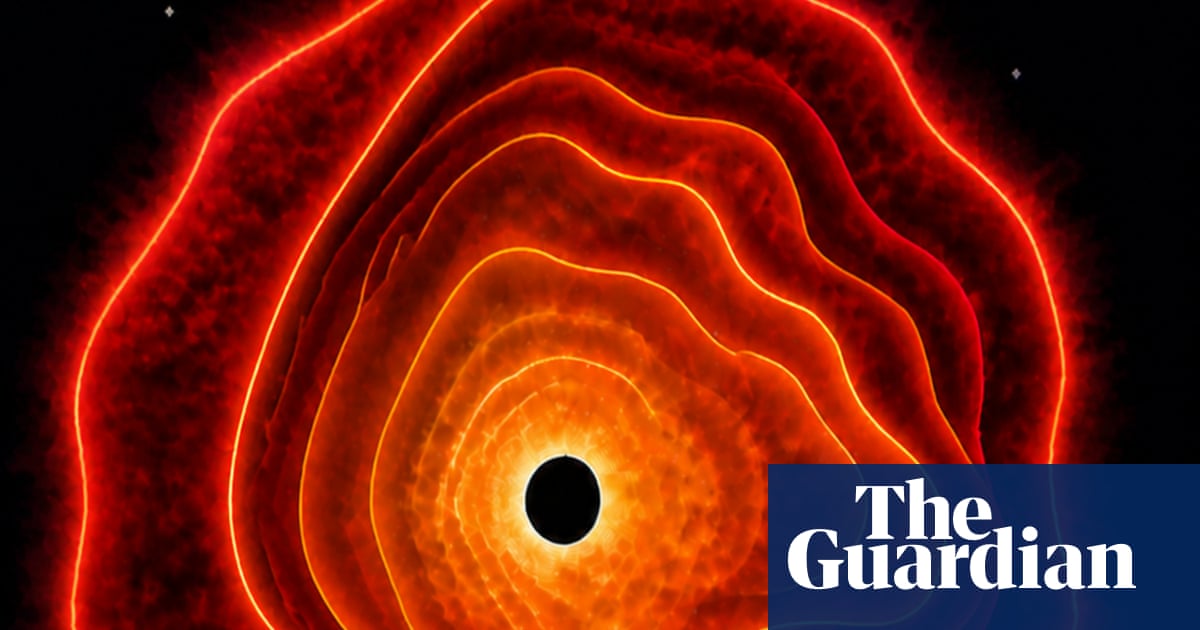
Astronomers discover a new kind of cosmic object – a black hole ‘star’
Astronomers using the James Webb Space Telescope identified MoM-BH*-1, an unprecedented black hole star formed 660 million years after the big bang.
Astronomers using the James Webb Space Telescope identified MoM-BH*-1, an unprecedented black hole star formed 660 million years after the big bang.
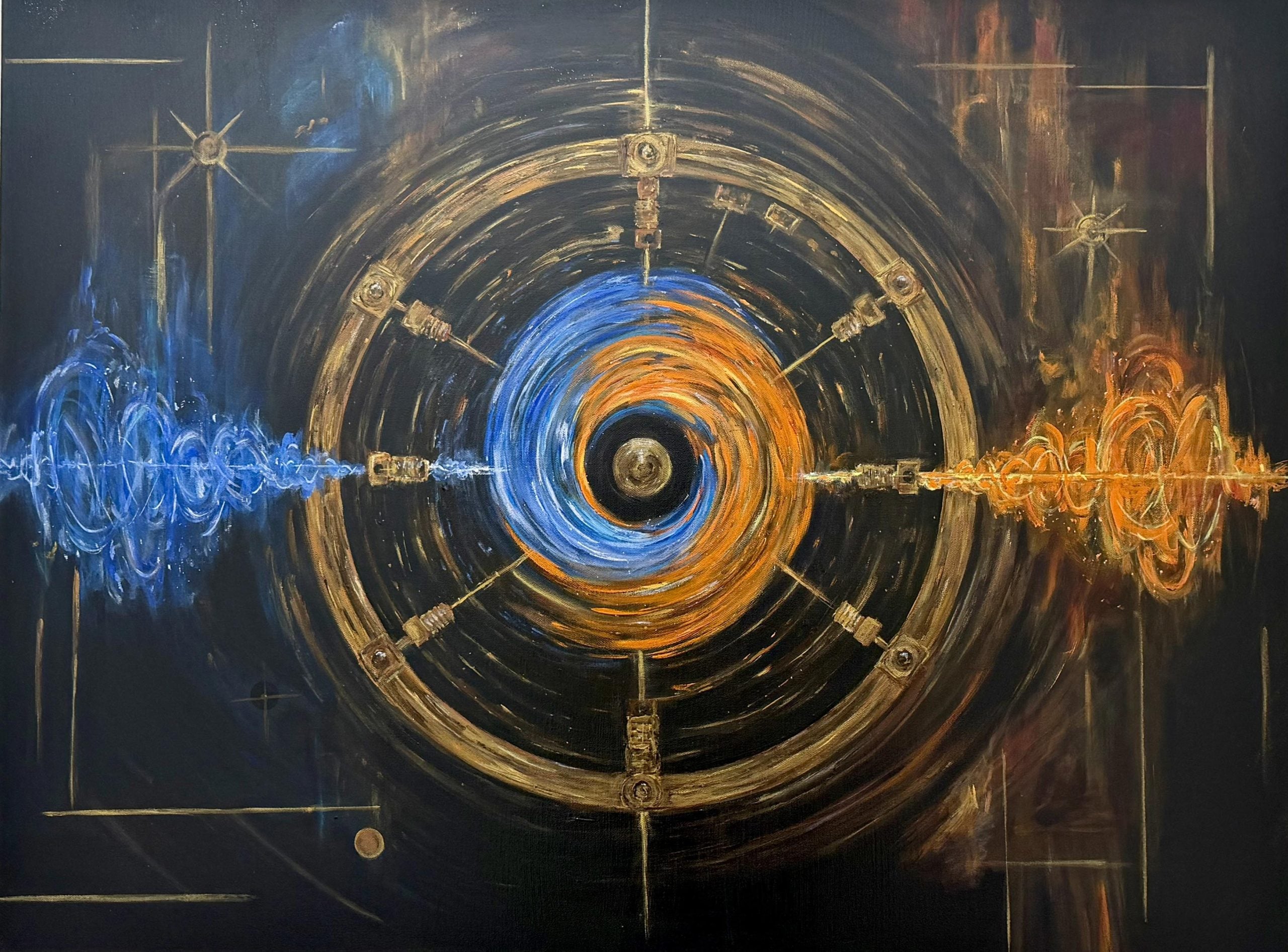
CUNY researchers have simulated the Penrose-Zel’dovich process using a stationary, time-modulated metamaterial ring. This experiment provides a controllable platform to study wave amplification and energy extraction through synthetic rotation.
Data from the GW250114 black hole merger allows scientists to map the 'ringing' of space-time, providing a test for Einstein’s general relativity. This analysis also confirms predictions such as Hawking’s area theorem.
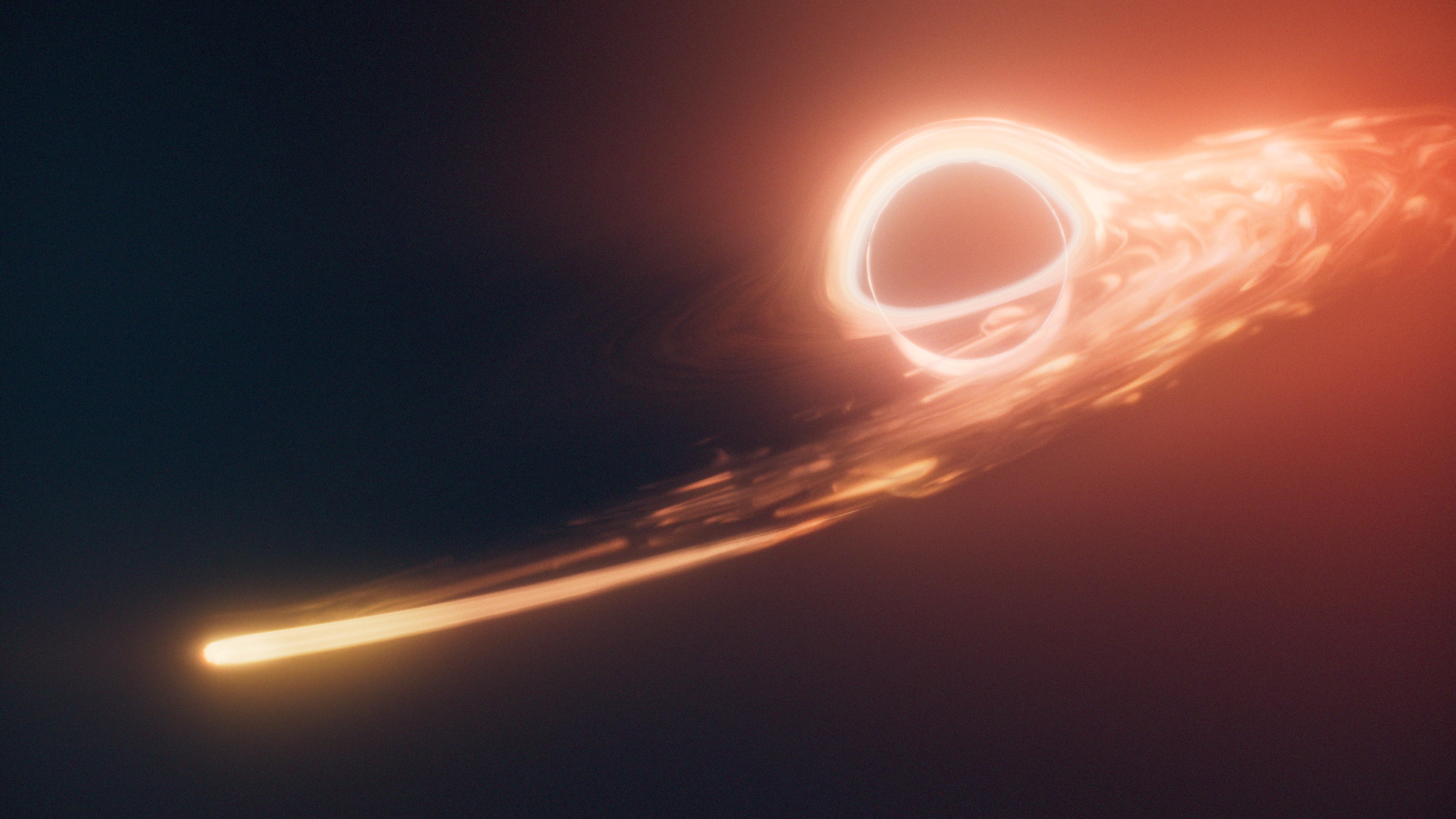
A new study suggests the Roman Space Telescope will track star-shredding events to help researchers determine how supermassive black holes formed in the early universe.