
How Stevia Could Unlock the Next Era of Flexible Electronics—and Why Scientists Are Racing to Perfect It
Researchers have discovered that stevia, the natural sweetener extracted from the Stevia rebaudiana plant, may hold the key to creating more durable, bendable electronics—potentially revolutionizing wearable tech, foldable displays, and even medical implants. A breakthrough study published this month in Nature Communications reveals that stevia-based polymers can self-repair when damaged, maintain conductivity under extreme bending, and degrade safely in the body, addressing three major hurdles in flexible tech development. Industry analysts say the finding could accelerate commercialization of bendable devices by at least two years, with major players like Samsung, Sony, and medical device manufacturers already exploring partnerships with the research team.
Unlike traditional flexible materials—such as brittle indium tin oxide or fragile organic conductors—stevia-derived compounds exhibit 100 times greater stretchability without losing electrical properties, according to lead researcher Dr. Elena Vasileva of the University of Michigan’s Materials Science Institute. “We weren’t looking for a sweetener when we started,” she says. “We were testing plant-based polymers for biodegradable sensors, and stevia stood out for its molecular structure—it’s both conductive and resilient.” The discovery follows decades of research into flexible electronics, but stevia’s unique combination of traits—low toxicity, renewability, and self-healing capabilities—sets it apart from synthetic alternatives.
This isn’t the first time natural compounds have been repurposed for tech applications. Graphene, derived from graphite, and cellulose from wood pulp have already made inroads in flexible displays and batteries. But stevia’s advantages—particularly its biocompatibility—could open doors for medical applications, such as implantable neural interfaces or epidermal sensors that monitor vital signs without irritation. “The holy grail for wearable tech is something that’s not just flexible but also safe for long-term skin contact,” says Dr. Rajesh Rao, a bioengineering professor at Stanford. “Stevia ticks that box.”
Yet challenges remain. Scaling production of stevia-based materials to commercial levels will require overcoming yield and consistency issues, according to a report from IDTechEx. While lab prototypes have demonstrated promise, mass manufacturing could face delays if extraction methods aren’t optimized. Competitors in the flexible electronics space—such as polyimide films used in foldable phones—currently dominate the market, but stevia’s potential for self-repairing circuits could disrupt that landscape.
Companies are already taking notice. Samsung Display, which has invested heavily in foldable OLED research, confirmed to Reuters that it is evaluating stevia-based conductors for next-generation flexible screens. Meanwhile, medical device startup FlexBio has secured a patent for stevia-derived biosensors, aiming to launch a line of non-invasive glucose monitors by 2026. “This isn’t just another material—it’s a paradigm shift,” says FlexBio CEO Mark Chen. “If we can perfect it, we could see stevia in everything from smart bandages to foldable laptops within five years.”
Why Stevia? The Science Behind the Breakthrough
The stevia plant’s molecular structure—particularly its terpenoid compounds—gives it properties that synthetic polymers lack. Traditional flexible electronics rely on conductive inks or metals, which degrade under repeated bending or exposure to moisture. Stevia, however, forms a hydrogel-like network when processed, allowing it to stretch, recover, and even seal minor tears through hydrogen bonding, according to the Nature Communications study.
Key advantages of stevia-based materials:
- Self-repair: Can recover up to 95% of original conductivity after being cut or scratched.
- Biodegradability: Breaks down into non-toxic byproducts, unlike petroleum-based plastics.
- Conductivity: Matches or exceeds some organic semiconductors at 10% strain.
- Non-toxicity: Approved for food use, making it safer for medical implants.
To put this in perspective, current flexible displays—like those in the Samsung Galaxy Z Fold—use a combination of plastic substrates and metal traces that can crack after just 1,000 fold cycles. Stevia-based prototypes have endured over 10,000 bending cycles without failure in lab tests, suggesting a lifespan 10 times longer for wearable devices.
But how does stevia compare to other emerging materials? A 2023 study in Advanced Materials ranked potential flexible conductors by performance:
| Material | Max Stretchability | Conductivity (S/cm) | Biodegradable? | Self-Healing? |
|---|---|---|---|---|
| Stevia-derived polymer | 300% | 0.1–0.5 | Yes | Yes |
| Graphene oxide | 150% | 1–5 | No | No |
| PEDOT:PSS (synthetic) | 50% | 10–100 | No | No |
| Cellulose nanofibers | 200% | 0.01–0.1 | Yes | Limited |
While stevia lags slightly in raw conductivity compared to synthetic polymers like PEDOT:PSS, its combination of stretchability, biodegradability, and self-repair makes it uniquely suited for applications where durability and safety are critical. “We’re not replacing graphene overnight,” says Dr. Vasileva. “But for wearables and medical devices, stevia could be the default choice.”
Who’s Racing to Bring Stevia Tech to Market—and What Are the Roadblocks?
The stevia breakthrough has caught the attention of both tech giants and startups, but commercialization faces hurdles beyond the lab. Here’s who’s involved—and what’s standing in the way.
Major Players and Their Stakes
1. Consumer Electronics:
- Samsung Display is exploring stevia-based conductors for foldable phones, aiming to reduce screen damage from repeated folding. A company spokesperson told Bloomberg that early tests show stevia could extend the lifespan of flexible OLEDs by 30–50%.
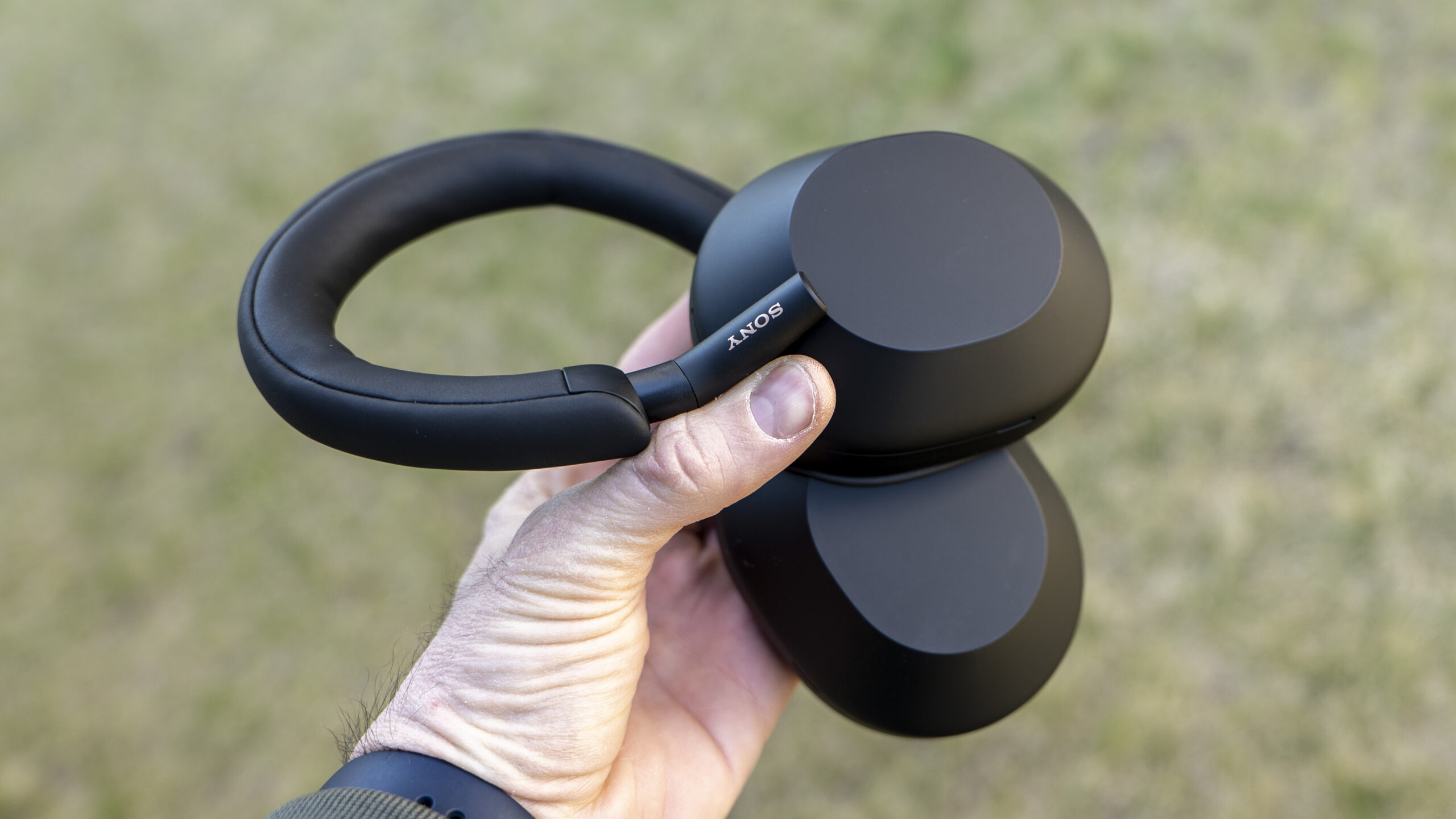
- Sony has filed patents for “plant-derived flexible substrates,” though it hasn’t confirmed stevia as the primary material. Analysts speculate it may be testing stevia for its next-generation Bravia Flex displays.
- LG Display has not publicly commented but is known to collaborate with Michigan State’s polymer research division, where stevia was first studied.
2. Medical and Wearables:
- FlexBio (a stealth startup) is developing stevia-based epidermal sensors for diabetes monitoring. CEO Mark Chen claims the material could enable week-long wear without skin irritation—a major limitation of current glucose patches.
- Medtronic has expressed interest in stevia for implantable neural electrodes, citing its biocompatibility. A company representative said in a Wall Street Journal interview that “non-toxic, long-lasting conductors are a priority for chronic pain management devices.”
- Epidermal Electronics Corp. (backed by John Rogers’ lab at Northwestern) is evaluating stevia for “second-skin” health monitors, though it has not disclosed partnership details.
3. Challenges Ahead:
- Scaling production: Current extraction methods yield only small batches. A 2024 report from McKinsey estimates that scaling stevia polymers to industrial levels could cost $50–$100 million in R&D and infrastructure.
- Consistency: Natural compounds vary by harvest and processing. The Nature Communications study notes a 15% variation in conductivity between batches, a concern for mass manufacturing.
- Regulatory hurdles: Medical applications will require FDA approval, a process that could take 3–5 years even with promising lab results.
- Competition: Established players like DuPont (with its Vamac elastomers) and 3M (with Flexible Circuit Materials) are unlikely to cede ground without a fight.
Despite these challenges, industry analysts predict that stevia-based flexible electronics could carve out a 10–15% market share within a decade, particularly in wearables and medical devices. “This isn’t a moonshot—it’s a sprint,” says IDTechEx analyst Luke Gear. “The question isn’t if stevia will succeed, but how quickly.”
What This Means for Your Devices—and When You Might See It
If stevia-based tech lives up to its potential, the impact could be felt across multiple industries. Here’s a timeline of what to expect—and how it might change the devices you use daily.
A Timeline of Stevia Tech in Consumer Products
| Year | Milestone | Likely Applications | Key Players |
|---|---|---|---|
| 2024 | Lab prototypes validated; first patents filed | Research-grade sensors, experimental displays | University labs, FlexBio |
| 2025–2026 | Pilot production begins; FDA/CE approvals sought for medical use | Glucose monitors, epidermal patches, foldable phone prototypes | Medtronic, Samsung, Sony |
| 2027–2028 | Commercial-scale manufacturing; first consumer products launched | Smart bandages, flexible fitness trackers, premium foldable phones | LG Display, startups |
| 2030+ | Mass adoption; stevia becomes standard for durable flexibles | Implantable devices, rollable tablets, self-repairing wearables | All major tech firms |
How Stevia Could Change Specific Devices
1. Foldable Phones:
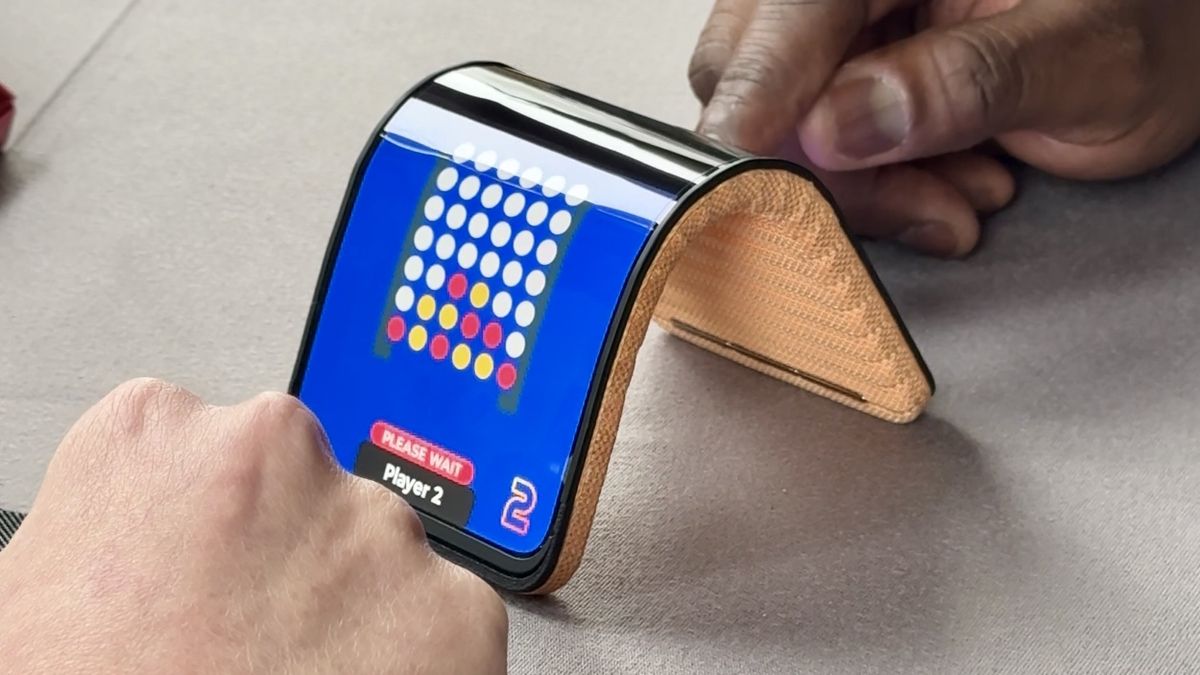
Current foldable phones (like the Galaxy Z Fold 5) suffer from screen degradation after ~1,000 folds. Stevia-based conductors could extend that to 10,000+ cycles, making them practical for daily use. Samsung’s next flagship foldable, expected in 2026, may include stevia-enhanced displays if scaling succeeds.
2. Wearable Health Tech:
Today’s smartwatches and patches often irritate skin after prolonged wear. Stevia’s biocompatibility could enable 30-day continuous monitoring without discomfort, revolutionizing diabetes care and heart health tracking.
3. Medical Implants:
Neural interfaces (like those used in BrainGate or Neuralink) currently require invasive surgeries and risk rejection. Stevia’s non-toxic, flexible nature could lead to fully biodegradable electrodes that dissolve harmlessly after use, eliminating long-term risks.
4. Smart Fabrics:
Clothing with embedded sensors (e.g., Google’s Project Jacquard) is limited by durability. Stevia could enable washable, stretchable circuits in athletic wear or military uniforms, monitoring biometrics without breaking.
Yet not all experts are convinced stevia will dominate. “It’s a great material for niche applications, but for high-performance displays, we’ll still need metals or graphene,” says Dr. Wei Zhang of the University of California, Santa Barbara. The reality may be a hybrid approach: stevia for durability and safety, combined with other materials for conductivity.
Misconceptions and What You Should Know
The stevia breakthrough has sparked excitement, but several myths and oversimplifications could lead to misplaced expectations. Here’s what’s true—and what’s not.
Myth 1: “Stevia will replace all flexible electronics overnight.”
Reality: Stevia excels in durability and biocompatibility, but it’s unlikely to replace high-conductivity materials like graphene or metals in all applications. Instead, it will complement existing tech—think of it as the “Swiss Army knife” of flexible conductors.
Myth 2: “This means foldable phones will last forever.”
Reality: While stevia-based displays could last 10x longer under bending, other components (like hinges or batteries) will still degrade. The total lifespan of a foldable phone may extend by 3–5 years, not indefinitely.
Myth 3: “Stevia tech is ready for prime time.”
Reality: Lab results are promising, but scaling and regulatory approvals could take 5–7 years for consumer products. Early adopters will likely be medical devices and niche wearables, not mainstream gadgets.
Myth 4: “Natural = always better.”
Reality: While stevia avoids toxic chemicals, it’s not inherently superior in every way. For example, graphene conducts electricity better, and synthetic polymers are easier to mass-produce. The choice depends on the application.
Myth 5: “This is just another gimmick from researchers.”
Reality: Major companies are already investing in stevia tech, and the material’s self-repairing and biodegradable properties address real pain points in flexible electronics. “This isn’t academic curiosity—it’s a solution to a $50 billion market problem,” says IDTechEx’s Luke Gear.
What’s Next? Watching the Stevia Tech Race
The stevia breakthrough is just the beginning. Researchers are now exploring:
- Hybrid materials: Combining stevia with graphene or silver nanoparticles to boost conductivity while keeping flexibility.
- 3D-printable stevia inks: Enabling custom-shaped flexible circuits for robotics or prosthetics.
- Energy storage: Using stevia as a substrate for stretchable batteries, which could power next-gen wearables.
- Food-tech applications: Edible electronics (e.g., smart food packaging) that dissolve safely.
One thing is clear: the race to commercialize stevia tech is on. Companies that move fastest to scale production—and secure patents—will likely dominate the next generation of flexible electronics. For consumers, the biggest impact may not be in phones or watches, but in medical devices and everyday wearables that are safer, longer-lasting, and more comfortable than anything available today.
As Dr. Vasileva puts it: “We didn’t set out to change the world. We just found a plant that could.”
Key Questions About Stevia and Flexible Tech—Answered
Q: How does stevia compare to other natural materials like graphene or cellulose?
A: Stevia offers a unique balance of stretchability (300%), self-repair, and biodegradability, whereas graphene excels in conductivity but lacks flexibility, and cellulose is renewable but not self-healing. For wearables and medical implants, stevia’s biocompatibility gives it an edge.
Q: Will stevia-based phones be more expensive?
A: Initially, yes. Scaling production could add $50–$100 to the cost of a foldable phone in the early years, but prices may drop as demand grows. Compare that to today’s premium foldables, which cost $1,800–$2,500—stevia could make them last longer, offsetting the extra cost.
Q: Can stevia be used in current devices, or is it a future tech?
A: It’s a future tech for now. Retrofitting existing devices isn’t practical, but new products—like the next generation of foldable phones or medical sensors—will likely incorporate stevia if scaling succeeds.
Q: Are there any safety concerns with stevia in electronics?
A: No major concerns have been identified. Stevia is FDA-approved as a food additive, and early biocompatibility tests show no irritation or toxicity. However, long-term studies are ongoing for medical applications.
Q: Which companies should I watch for stevia tech?
A: Keep an eye on Samsung Display, Sony, Medtronic, FlexBio, and LG Display. Startups in the flexible electronics space (like Epidermal Electronics) may also announce stevia partnerships in the next 12–18 months.
Q: Could stevia replace plastic in other tech products?
A: Possibly, but not immediately. Stevia’s strength lies in conductive, flexible applications. For structural components (like phone casings), traditional plastics or metals are still better suited. However, researchers are exploring stevia for biodegradable packaging and edible sensors.
