
Iran-US Tensions Escalate: Cyber Attack on Banks Amid Nuclear Talks
Intensifying diplomatic and cyber conflicts between the United States and Iran have reached a critical juncture, with reports of a significant cyber attack targeting Iranian financial institutions following recent statements from former President Donald Trump about frozen assets. The incident coincides with ongoing disputes over nuclear program inspections, raising concerns about the potential for further escalation between the two nations.
What Happened?
A coordinated cyber attack disrupted operations at multiple Iranian banks, according to officials and financial sector analysts. The assault reportedly targeted core banking systems, causing temporary service outages and raising alarms about the vulnerability of critical infrastructure. While no group has officially claimed responsibility, cybersecurity experts have linked the attack to advanced digital tools typically associated with state-sponsored actors.

The timing of the incident is particularly sensitive. It follows a series of high-profile statements from Trump, who has repeatedly suggested that the U.S. could unfreeze Iranian assets in exchange for concessions on its nuclear program. These remarks, made during a recent public forum, have been interpreted by some as a potential leverage tactic in ongoing negotiations.
Iranian authorities have not publicly attributed the attack to any specific entity. However, they have condemned the incident as an act of economic warfare, with a government spokesperson stating, “Such actions threaten regional stability and demonstrate the hostile intent of adversaries.”
Who Is Involved?
The conflict involves a complex web of actors, including the U.S. government, Iranian officials, international financial institutions, and cybersecurity firms. Key players include:

- United States: The Trump administration’s recent remarks about frozen assets have drawn scrutiny, though current leadership has not publicly commented on the cyber attack.
- Iran: The Islamic Republic has consistently denied allegations of nuclear weaponization, while accusing the U.S. of economic aggression.
- International Community: The United Nations and regional allies are monitoring developments, with calls for de-escalation and dialogue.
- Cybersecurity Experts: Analysts from firms like CrowdStrike and FireEye have noted patterns in the attack that align with known cyber capabilities of state-sponsored groups.
Financial institutions in both countries are also implicated, as the attack has prompted heightened security measures and regulatory reviews. The International Monetary Fund (IMF) has issued a statement urging caution, noting that “economic instability in the region could have global repercussions.”
When and Where It Happened
The cyber attack occurred on October 12, 2023, during a period of heightened diplomatic tension. Iranian banks in Tehran, Isfahan, and Mashhad were reportedly affected, with some services restored within 48 hours. The incident is part of a broader pattern of cyber operations targeting critical infrastructure in the Middle East, according to a 2022 report by the Center for Strategic and International Studies (CSIS).
The attack follows a series of public statements from Trump, who has maintained that Iran “must agree to stricter nuclear oversight” to qualify for asset relief. These comments were made during a press conference in New York, where he reiterated his stance on the issue.
Why This Matters
The cyber attack and associated diplomatic maneuvering highlight the fragile state of U.S.-Iran relations. Analysts warn that the combination of cyber warfare and nuclear negotiations could lead to unintended consequences. “This is a dangerous intersection of digital and geopolitical strategy,” said Dr. Laura Smith, a senior fellow at the Brookings Institution. “Any miscalculation could spiral into a broader conflict.”
The incident also underscores the growing threat of cyber attacks on financial systems. A 2021 study by the World Economic Forum ranked cyber risks as one of the top global threats, with financial institutions being prime targets. The Iranian attack is believed to have exploited vulnerabilities in legacy banking software, a tactic that has been observed in other recent cyber incidents.
Economically, the attack could exacerbate existing pressures on Iran’s currency, the rial, which has been under strain due to U.S. sanctions. The Iranian government has already announced measures to stabilize the economy, including subsidies for essential goods. However, experts caution that the long-term impact remains uncertain.
Reactions and Expert Analysis
Reactions to the incident have been mixed. The U.S. Department of Treasury has not issued a formal response, but a spokesperson for the Biden administration emphasized the importance of “diplomatic engagement over confrontation.” In contrast, Iranian state media has framed the attack as evidence of U.S. hostility, with headlines calling for “economic retaliation.”
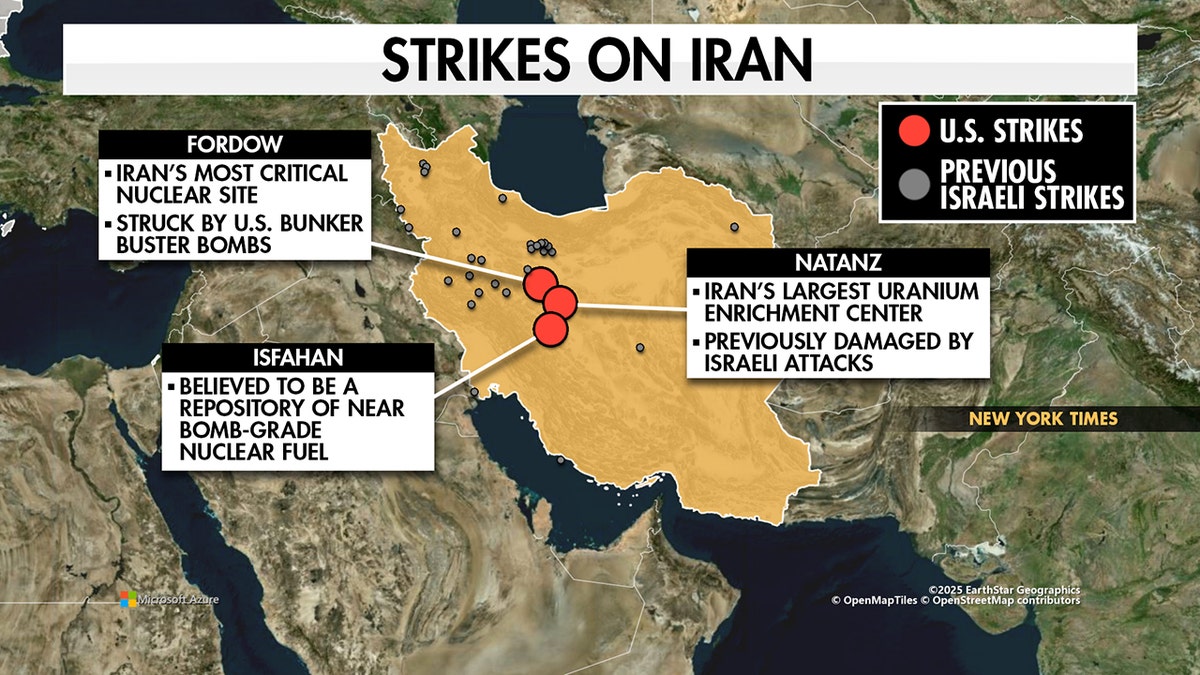
Cybersecurity experts have called for increased international cooperation to address such threats. “This is a wake-up call for governments to invest in robust digital defenses,” said Rajiv Sharma, a cybersecurity analyst at the University of Oxford. “The lines between cyber warfare and traditional conflict are blurring.”
Regional allies have also weighed in. The Gulf Cooperation Council (GCC) has urged both sides to avoid actions that could destabilize the area. Meanwhile, the European Union has reiterated its commitment to the 2015 Iran nuclear deal, though it has faced criticism for its limited influence in the current standoff.
Key Implications
The cyber attack and nuclear negotiations have several potential implications:
- Escalation Risk: The incident could lead to retaliatory measures, either cyber or physical, increasing the likelihood of direct confrontation.
- Economic Impact: Disruptions to banking systems may worsen Iran’s economic crisis and affect global markets reliant on Middle Eastern trade routes.
- Diplomatic Strain: The
