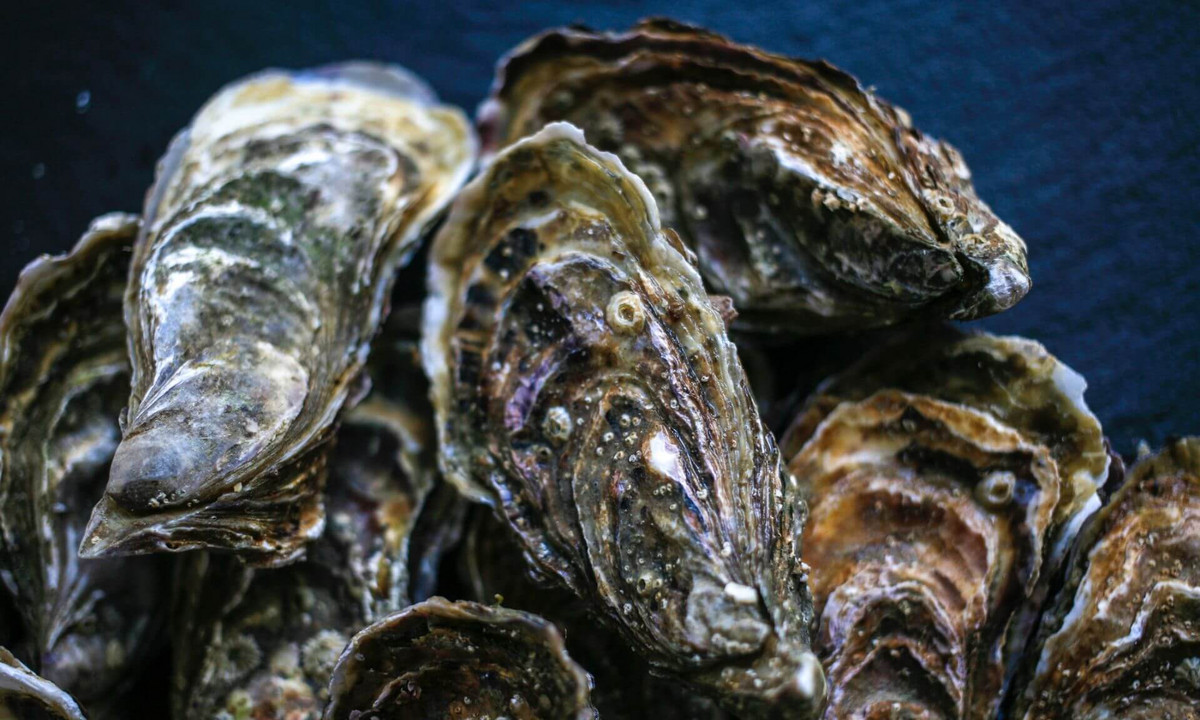
Researchers at the Université de Montréal are using oysters as “living laboratories” to track the evolution of microbes. By filtering massive quantities of seawater, these mollusks concentrate bacteria and viruses, providing a unique environment for scientists to study how pathogens adapt and develop resistance to environmental stressors in real-time.
- Oysters concentrate environmental microbes through high-volume filter-feeding.
- The internal biological environment of the oyster creates selective pressures that drive microbial evolution.
- This model allows researchers to observe how pathogens adapt to survive host defenses.
How Oysters Concentrate Pathogens
Oysters function as biological filters, processing vast amounts of water to obtain nutrients. According to the research team at the Université de Montréal, this process effectively gathers and concentrates bacteria and viruses from the surrounding aquatic environment. This concentration allows scientists to sample a high density of microbes that would otherwise be too dispersed in the open ocean to analyze effectively.
Why the Oyster Environment Drives Evolution
The internal biology of the oyster does more than store microbes; it forces them to change. Researchers stated that the oyster’s systems act as a selective filter, creating an environment where only the most adaptable microbes survive. To persist, pathogens must evolve to bypass the oyster’s natural defenses.
This biological struggle mirrors the way pathogens evolve in other hosts, including humans. By observing which microbial strains survive and how they mutate within the oyster, scientists can identify the specific genetic changes that allow a pathogen to overcome an immune response.
Implications for Public Health and Resistance
Studying these “living laboratories” provides critical insights into the development of antibiotic resistance and general microbial adaptation. According to the study authors, understanding how environmental stressors drive these changes helps researchers predict how bacteria might evolve in the wild.
The research highlights a direct link between environmental conditions and the genetic drift of pathogens. By monitoring these changes in a controlled, natural host like the oyster, public health researchers can better understand the mechanisms that lead to more resilient and dangerous microbial strains.
