
Trump claims Iran agreed to expanded UN nuclear inspections in latest diplomatic push — but Tehran denies any new deal
Former U.S. President Donald Trump has reiterated claims that Iran agreed to additional United Nations nuclear inspections during recent negotiations, a statement Tehran has flatly denied while escalating tensions in the Strait of Hormuz. The dispute comes as global oil markets react to Iran’s closure of the critical waterway, linking nuclear diplomacy to broader regional stability risks.
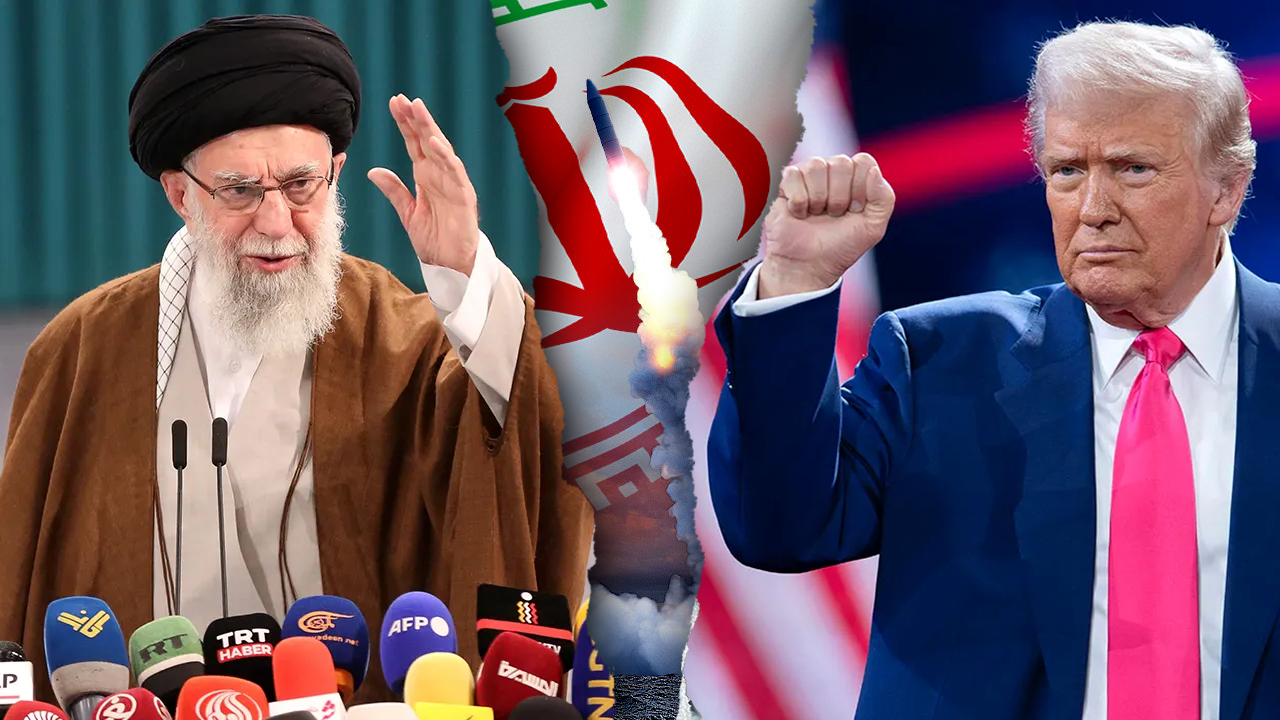
According to Trump, speaking at a campaign rally in Las Vegas on June 23, Iran’s government “verbally committed” to allowing more frequent and intrusive inspections by the International Atomic Energy Agency (IAEA) as part of indirect talks mediated by Oman. “They agreed to it,” Trump said. “Now we just have to see if they follow through.” The White House did not immediately confirm the claim, and State Department officials declined to comment on Trump’s remarks.
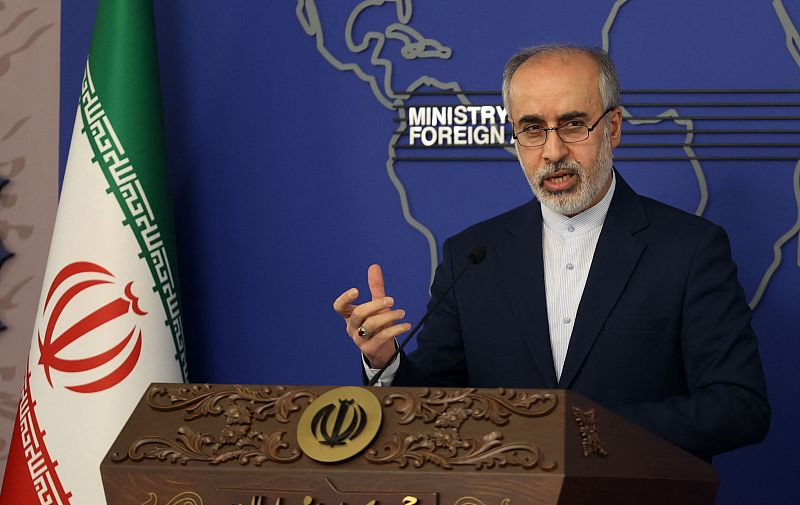
Iran’s official response, carried by state media, dismissed the allegation outright. The Islamic Republic’s Foreign Ministry spokesperson, Nasser Kanani, told reporters in Tehran, “There has been no such agreement, and Iran has never accepted any conditions that violate its sovereignty or nuclear rights.” Kanani added that any claims of concessions were “political propaganda” aimed at undermining Iran’s position ahead of potential U.S. election-year negotiations.
The timing of Trump’s assertion coincides with Iran’s announcement that it would keep the Strait of Hormuz closed to oil tankers until a ceasefire holds in Lebanon and Western nations issue waivers for Iranian oil exports. Shipping data from maritime tracking firm MarineTraffic shows at least 12 vessels, including oil tankers bound for Asia, have been diverted since June 21, when Iran’s Revolutionary Guard announced the closure. Analysts warn the move could push global oil prices above $90 a barrel, exacerbating inflation concerns in Europe and Asia.
Why this matters: The nuclear inspections dispute underscores deep divisions between Washington and Tehran over how to revive the 2015 Iran nuclear deal, which Trump abandoned in 2018. With midterm elections looming in the U.S. and Iran facing domestic economic pressures, both sides appear locked in a game of brinkmanship—using nuclear talks, regional military posturing, and energy markets as leverage.
—
What exactly did Trump claim Iran agreed to?
Trump’s remarks focus on three key points:
- Expanded IAEA inspections: Trump suggested Iran would allow “unprecedented access” to nuclear sites, including potential inspections of military facilities where the IAEA has previously been denied entry. “They’re going to let the inspectors in everywhere,” he said, though he did not specify which sites.
- Verification protocols: He implied Iran would adopt stricter monitoring of uranium enrichment levels, potentially including real-time reporting to the IAEA—a departure from Tehran’s current stance of limited transparency.
- No preconditions: Trump framed the alleged agreement as a U.S. concession, stating, “We’re not asking for sanctions relief upfront. We’re just asking for inspections.” This contradicts the Biden administration’s approach, which has tied negotiations to partial sanctions relief.
However, no written agreement or formal statement from Iran has been publicly released. The IAEA’s Vienna headquarters did not respond to requests for comment, and diplomats from participating nations in the Joint Comprehensive Plan of Action (JCPOA)—including France, Germany, and China—have not endorsed Trump’s claims.
Context: In 2018, Trump withdrew the U.S. from the JCPOA, reimposing sanctions that crippled Iran’s economy. Since then, Iran has gradually violated the deal’s limits on uranium enrichment, arguing its nuclear program is for peaceful purposes. The IAEA has repeatedly called for full transparency but stopped short of accusing Iran of pursuing a nuclear weapon—a threshold the U.S. has accused Tehran of crossing.
—
Iran denies any new deal — but why is the Strait of Hormuz closure linked to nuclear talks?
Iran’s decision to close the Strait of Hormuz—through which 20% of the world’s oil passes—appears designed to pressure the U.S. and its allies into concessions. State media cited two conditions for reopening the waterway:

- A permanent ceasefire in Lebanon, where Israeli airstrikes have killed over 1,200 civilians since May.
- Waivers for Iranian oil exports, which the U.S. has restricted under secondary sanctions targeting countries buying Iranian crude.
Analysts at IEA warn the closure could trigger a 5%–7% spike in global oil prices, directly impacting gas prices in the U.S. and Europe. “This is economic warfare,” said Dr. Ali Vaez, director of the Iran Project at the International Crisis Group. “Iran knows how vulnerable Western economies are to energy shocks, especially with elections approaching in both the U.S. and EU.”
Key connection: Iran’s nuclear program and its regional military actions are increasingly intertwined in its diplomatic strategy. By linking Hormuz to Lebanon—and by extension, Israel’s actions—Tehran is framing its nuclear demands as part of a broader “security package.”
For example:
- 2022: Iran temporarily blocked oil tankers in the Strait after the U.S. and allies accused it of a drone attack on an oil tanker in the Gulf of Oman.
- 2023: Tehran suspended some nuclear inspections after the IAEA reported traces of uranium particles at an undeclared site, later reversed under pressure from China.
This pattern suggests Iran is using asymmetric leverage—threatening economic disruption to extract diplomatic concessions without direct military confrontation.
—
Who stands to gain or lose from this standoff?
The nuclear inspections dispute and Hormuz closure affect multiple stakeholders with conflicting interests:
| Stakeholder | Position | Potential Gain | Potential Loss |
|---|---|---|---|
| Iran | Demands sanctions relief, nuclear recognition, and regional security guarantees. | Economic relief from sanctions; leverage in Lebanon ceasefire talks. | Further isolation if U.S. hardliners reject any deal; risk of military escalation. |
| U.S. | Seeks to prevent Iranian nuclear breakthrough; divided between Biden’s diplomacy and Trump’s hardline approach. | Potential diplomatic victory if Iran agrees to inspections; pressure on Iran to de-escalate in Lebanon. | Election-year risks if perceived as weak on Iran; oil price hikes could hurt Biden’s approval. |
| Israel | Opposes any Iranian nuclear deal; sees Tehran as existential threat. | Potential to weaken Iran’s regional influence if U.S. imposes new sanctions. | Escalation in Lebanon could draw Iran deeper into conflict. |
| China & Russia | Support Iran diplomatically; benefit from weakened U.S. influence. | Access to Iranian oil markets; potential to mediate a deal favorable to Tehran. | Risk of U.S. secondary sanctions if they enable Iranian oil trade. |
| Global Oil Markets | React to supply disruptions and geopolitical tensions. | Short-term profits for oil producers like Saudi Arabia and Russia. | Inflation pressures in consumer nations; economic slowdown risks. |
Expert view: “This is a high-stakes game of chicken,” said Dr. Trita Parsi, founder of the Quincy Institute. “Trump’s claims may be an attempt to position himself as tougher on Iran than Biden, but without a clear strategy, it risks derailing any chance of a deal.” Parsi noted that Iran has historically responded to U.S. pressure with tit-for-tat escalation, such as increasing uranium enrichment or attacking shipping in the Gulf.
—
What happens next? The three most likely scenarios
With no formal agreement on the table and the Strait of Hormuz closed, three outcomes are most probable in the coming weeks:
- Diplomatic deadlock:
- Iran reopens Hormuz only after partial sanctions relief (e.g., waivers for specific oil buyers).
- IAEA inspections remain limited, with no breakthrough on military sites.
- Lebanon ceasefire talks stall, prolonging regional instability.
- Escalation:
- Israel conducts airstrikes on Iranian-backed militias in Syria or Iraq.
- Iran retaliates by seizing more tankers or attacking U.S. allies in the Gulf.
- Oil prices spike above $100/barrel, triggering global economic concerns.
- Unexpected compromise:
- China or Russia brokers a deal where Iran agrees to limited inspections in exchange for sanctions relief.
- U.S. election dynamics force Biden to offer concessions to avoid appearing weak.
- IAEA verifies no nuclear weapons progress, easing tensions temporarily.
Watch for:
- IAEA reports on June 28, which may reveal new data on Iran’s nuclear activities.
- U.S. Treasury actions on Iranian oil sanctions, expected by July 1.
- Lebanese government statements on ceasefire progress, due by June 25.
—
Common misconceptions about Iran’s nuclear program and inspections
Several myths persist about Iran’s nuclear activities and the role of inspections:
- “Iran is hiding a nuclear weapon.”
The IAEA has never found direct evidence of a weapons program, though it has raised concerns about past military-related research. Iran insists its program is for civilian energy. The U.S. intelligence community has assessed that Iran is not currently pursuing a bomb, but that could change if sanctions are lifted.
- “More inspections will stop Iran’s enrichment.”
Inspections can verify compliance but do not prevent enrichment. Iran has repeatedly stated it will continue enrichment under its nuclear rights, regardless of inspections. The key question is whether inspections can verify that enrichment stays below weapons-grade levels.
- “Closing the Strait of Hormuz is just about oil.”
While the move directly impacts global energy markets, Iran’s strategy is also about signaling resolve. By linking Hormuz to Lebanon and nuclear talks, Tehran is forcing the U.S. and allies to address multiple crises simultaneously—a tactic it has used before, such as during the 2019 tanker attacks.
- “Trump’s claims mean a deal is imminent.”
Trump’s statements are likely political, not diplomatic. Without a written agreement or endorsement from the IAEA or other JCPOA members, his claims carry little weight. Iran has dismissed similar assertions in the past, including during the 2020 U.S. election cycle.
—
What you need to know about the IAEA’s role in inspections
The International Atomic Energy Agency (IAEA) is the only body authorized to inspect Iran’s nuclear facilities under the JCPOA. Here’s how its process works—and where negotiations often break down:
- Routine inspections:
- IAEA inspectors visit declared nuclear sites (e.g., Natanz, Fordow) to verify compliance with enrichment limits.
- Iran has not allowed inspections of military sites where the IAEA suspects past nuclear-related work.
- Challenged inspections:
- If inspectors find suspicious material (e.g., uranium particles at an undeclared site), Iran can block access.
- In 2021, Iran suspended cooperation with the IAEA after the agency reported traces of uranium at a suspected undeclared location.
- Additional Protocol:
- A stricter inspection regime that would allow IAEA access to military sites and more frequent checks.
- Iran has rejected this protocol, calling it a violation of its sovereignty.
Key challenge: Even if Iran agreed to Trump’s proposed inspections, the U.S. and allies would still demand verifiable limits on enrichment—a red line for Tehran. “Inspections alone won’t solve the problem,” said Olli Heinonen, former IAEA deputy director. “You need a political agreement on what ‘compliance’ actually means.”
—
FAQ: Your questions about Iran’s nuclear talks and the Strait of Hormuz
Q: Could Iran actually build a nuclear bomb if inspections are limited?
A: Iran’s breakout time—the time needed to produce enough weapons-grade uranium for a bomb—is estimated at 12–18 months under current conditions, according to IAEA reports. If sanctions were lifted and inspections reduced, that time could shrink to 6–12 months. However, building an actual deliverable weapon would take longer due to technical and political hurdles.
Q: Why is the Strait of Hormuz so important?
A: The Strait is the world’s most critical chokepoint for oil shipping, with 21 million barrels of oil per day (20% of global supply) passing through it. A prolonged closure could trigger a $10–$20/barrel price jump, directly impacting gas prices in the U.S., Europe, and Asia. Historically, Iran has used the Strait as leverage—most recently in 2019, when it temporarily blocked tankers during U.S.-Iran tensions.
Q: Has Iran ever agreed to inspections like Trump describes?
A: Iran has never publicly agreed to inspections of military sites or real-time reporting of enrichment levels. In 2015, under the JCPOA, Iran allowed routine inspections of declared civilian sites but resisted broader access. Any claim of a new deal would require a formal statement from the Iranian government or IAEA—neither of which has occurred.
Q: What would it take to reopen the Strait of Hormuz?
A: Iran’s state media has set two conditions: 1) a ceasefire in Lebanon and 2) oil export waivers. Analysts suggest a third, unofficial demand may be U.S. recognition of Iran’s nuclear rights, which Trump’s administration has historically opposed. Without progress on these fronts, the closure could last weeks or longer, depending on regional dynamics.
Q: Could this lead to war?
A: Direct U.S.-Iran war remains unlikely, but proxy conflicts could escalate. Israel has conducted airstrikes in Syria and Iraq targeting Iranian-backed militias, while Iran has responded with missile attacks and shipping disruptions. The risk of a broader conflict increases if Lebanon’s Hezbollah or Iraqi militias draw Israel into a larger confrontation. Most experts rate the probability of full-scale war at 10–20% in the next six months.
Q: How are oil markets reacting?
A: Since Iran’s announcement on June 21, Brent crude has risen from $82 to $87 per barrel, while U.S. WTI hit $84. Analysts at Goldman Sachs warn prices could reach $95 if the closure persists beyond July. Refineries in Asia, which rely heavily on Hormuz-bound oil, are already rerouting shipments, adding to costs.
—
As tensions simmer, the coming days will test whether diplomacy or brinkmanship prevails. With the U.S. election cycle heating up and Iran facing domestic pressures, both sides may be unwilling to back down—leaving global markets and regional stability in limbo.
