
Scottish wrens isolated on remote islands are evolving into a potentially new species characterized by larger body sizes, a biological phenomenon known as island gigantism, according to reports from Kompas.com and Media Indonesia.
- Primary Driver: Geographic isolation on remote Scottish islands.
- Biological Shift: A measurable increase in physical size compared to mainland populations.
- Outcome: A gradual evolutionary transition toward the formation of a distinct species.
Why are Scottish wrens growing larger?
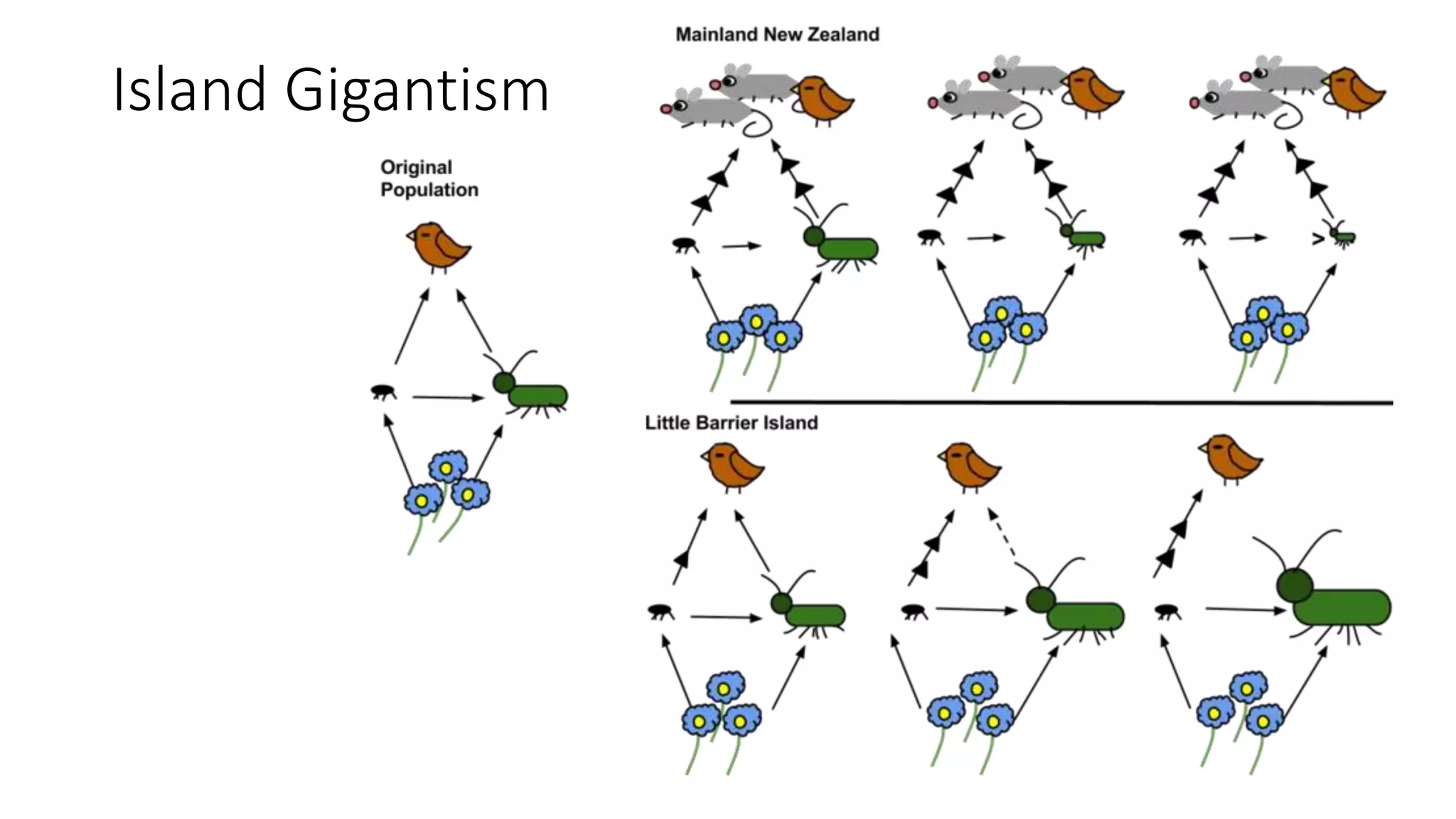
The increase in size is attributed to island gigantism, a biological process where small species evolve to become larger when isolated in island environments. According to Media Indonesia, this phenomenon occurs when a species is separated from its mainland relatives and faces different ecological pressures, such as a lack of natural predators or different food availability, which favors larger body sizes.
This evolutionary shift is not random but a response to the specific environmental constraints of the remote Scottish islands, as reported by Kompas.com.
How does isolation lead to a new species?
The process of speciation begins when a population is physically cut off from the rest of its species, preventing the exchange of genetic material. According to Media Kompeten, the Scottish wrens on these islands have remained isolated long enough for significant evolutionary changes to take hold.
As the birds adapt to their unique island habitat, their genetic makeup diverges from the mainland population. Harapan Rakyat reports that these changes are pushing the birds toward becoming a completely separate species, a transition driven by the sustained lack of interbreeding with mainland wrens.
What distinguishes these birds from mainland populations?
The most prominent difference is the physical scale of the birds. While mainland wrens maintain a standard small size, the island populations have evolved to be larger. This divergence serves as a primary indicator that the birds are undergoing a distinct evolutionary trajectory.
While multiple outlets report the progression toward a new species, the reports focus on the physical evidence of gigantism as the primary marker of this biological shift, according to data cited by Kompas.com and Media Indonesia.
