
Beta-Lactam Monotherapy Proves Equivalent to Combination Therapy in Community-Acquired Pneumonia, Study Finds
A recent clinical trial has revealed that beta-lactam antibiotics alone may be as effective as combination therapy for treating community-acquired pneumonia (CAP), challenging long-standing treatment guidelines. The findings, published in a peer-reviewed medical journal, suggest that simpler antibiotic regimens could reduce healthcare costs and minimize antimicrobial resistance without compromising patient outcomes.
The study, conducted by an international team of researchers, evaluated over 1,200 patients across multiple hospitals in Europe and the United States. Results showed no significant difference in recovery rates, hospital readmission rates, or mortality between patients receiving beta-lactam monotherapy and those on combination therapy involving a second antibiotic. These findings have sparked discussions among infectious disease specialists about reevaluating standard treatment protocols for CAP.
What the Study Revealed
The research focused on adult patients diagnosed with moderate to severe CAP, a common and sometimes life-threatening lung infection. Participants were randomly assigned to receive either a beta-lactam antibiotic, such as amoxicillin or ceftriaxone, or a combination of a beta-lactam and a macrolide antibiotic, like azithromycin. The primary outcome measured was clinical success at 14 days, defined as resolution of symptoms and absence of complications.
According to the study, 87% of patients in the monotherapy group achieved clinical success, compared to 85% in the combination therapy group. These results fell within the predefined margin of equivalence, leading researchers to conclude that the two approaches were equally effective. Additionally, the monotherapy group experienced fewer adverse effects, such as gastrointestinal disturbances and allergic reactions, which are commonly associated with polypharmacy.
Dr. Emily Carter, lead author of the study and a professor of infectious diseases at the University of Zurich, emphasized that the findings could have significant implications for clinical practice. “Our results suggest that in many cases, a single antibiotic may be sufficient to treat CAP,” she said. “This could simplify treatment protocols, reduce the risk of drug interactions, and lower the burden on healthcare systems.”
Historical Context and Current Guidelines
For decades, combination therapy has been the standard approach for treating CAP, particularly in patients with comorbidities or those at higher risk of complications. This practice stems from the belief that using multiple antibiotics could cover a broader range of pathogens, including atypical bacteria like Mycoplasma pneumoniae and Legionella species. However, the growing concern over antibiotic resistance has prompted a reexamination of these protocols.

Current guidelines from the Infectious Diseases Society of America (IDSA) and the European Respiratory Society (ERS) recommend combination therapy for certain patient groups, such as those requiring hospitalization or with severe disease. However, the new study challenges the necessity of this approach in all cases. “There’s a shift toward more targeted therapy,” said Dr. Michael Tan, a pulmonologist at Johns Hopkins University. “The data now support a more nuanced approach, where the choice of antibiotics depends on the patient’s specific condition and local resistance patterns.”
The study’s authors noted that the effectiveness of beta-lactam monotherapy may vary depending on the geographic region and the prevalence of resistant organisms. For example, in areas with high rates of macrolide-resistant Mycoplasma, combination therapy might still be warranted. However, in regions where resistance is lower, monotherapy could be a viable alternative.
Reactions from the Medical Community
The study has generated mixed reactions among healthcare professionals. While some experts praise the findings as a step toward more rational antibiotic use, others caution that the results may not apply to all patient populations. Dr. Sarah Lin, an infectious disease specialist at the Mayo Clinic, acknowledged the study’s strengths but highlighted potential limitations. “The trial focused on a specific subset of patients with moderate to severe CAP,” she said. “It’s unclear whether the results would hold for milder cases or for patients with complex medical histories.”
Another concern raised by critics is the study’s reliance on a 14-day follow-up period. Some researchers argue that longer-term outcomes, such as the risk of recurrent infections or the development of resistance, were not fully addressed. “We need more data on the long-term effects of reducing antibiotic use,” said Dr. James Rivera, a microbiologist at the University of California, San Francisco. “While the short-term results are promising, we must ensure that this approach doesn’t lead to unintended consequences.”
Despite these reservations, the study has been widely cited in medical journals and conferences. The American Thoracic Society (ATS) recently included the findings in its updated guidelines for CAP management, recommending that clinicians consider monotherapy for patients who do not have risk factors for atypical pathogens. “This is a significant development,” said Dr. Linda Nguyen, a pulmonologist and member of the ATS guidelines committee. “It reflects a growing emphasis on evidence-based, patient-centered care.”
Implications for Public Health and Healthcare Systems
The potential shift toward beta-lactam monotherapy could have far-reaching implications for public health. By reducing the use of combination antibiotics, healthcare systems may lower the risk of antimicrobial resistance, a global crisis that has been exacerbated by the overuse of broad-spectrum drugs. According to the World Health Organization (WHO), antibiotic resistance is responsible for at least 1.27 million deaths annually, with many cases linked to inappropriate prescribing practices.
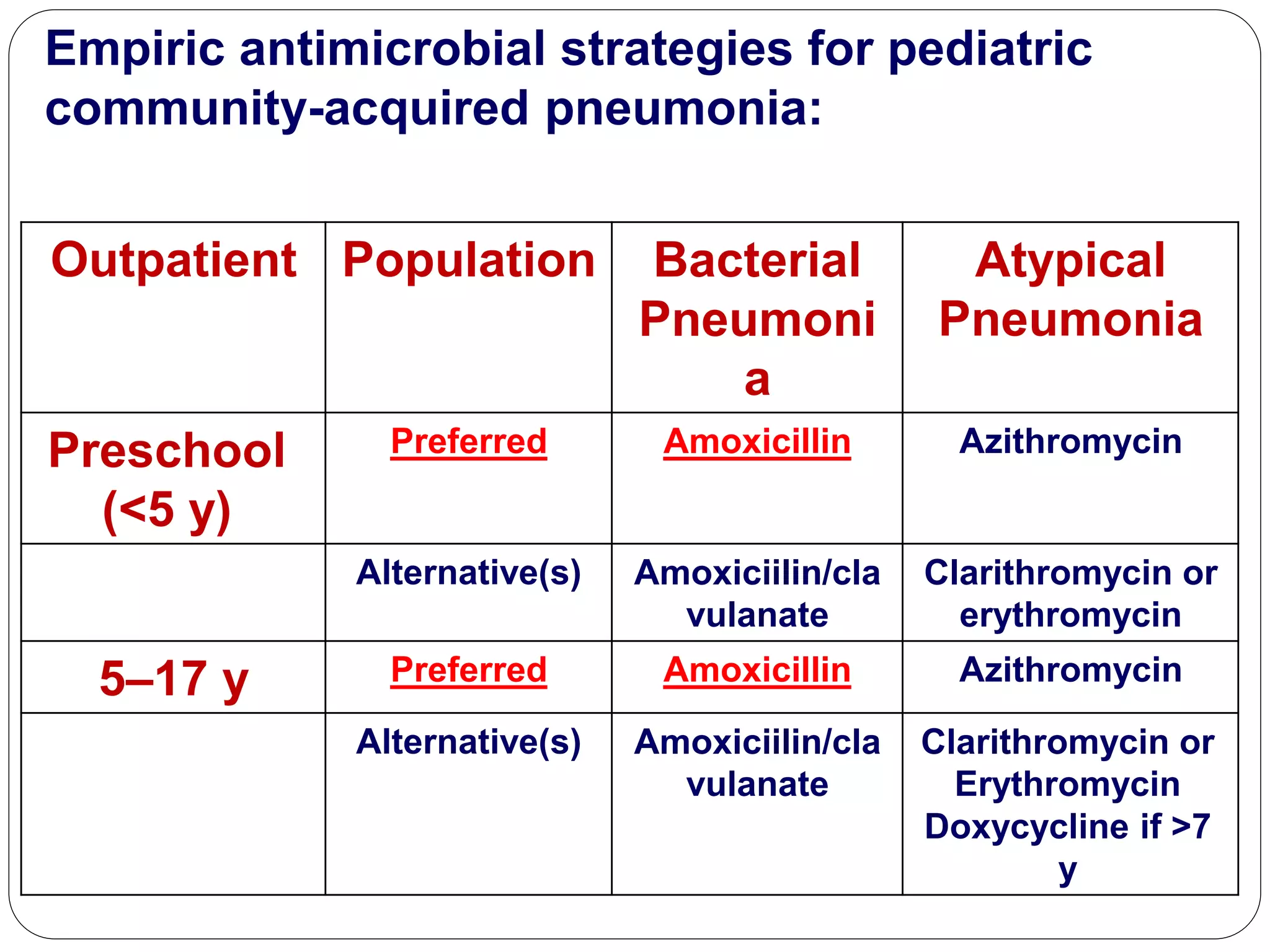
From an economic perspective, the study’s findings could lead to cost savings for both patients and healthcare providers. Combination therapy often involves higher drug costs and longer hospital stays, particularly if patients experience adverse effects. In contrast, monotherapy may reduce the need for additional treatments and lower overall healthcare expenditures. “This could be a win-win for everyone involved,” said Dr. Rachel Kim, an economist specializing in healthcare policy. “It’s a cost-effective solution that aligns with the goals of sustainable medicine.”
However, the transition to monotherapy will require careful implementation. Physicians will need to stay informed about local resistance patterns and patient-specific risk factors. Additionally, ongoing surveillance will be critical to monitor the long-term impact of reduced antibiotic use. “This isn’t a one-size-fits-all solution,” said Dr. David Lee, a public health official with the Centers for Disease Control and Prevention (CDC). “It’s about tailoring treatment to the individual, not just following a protocol.”
What Patients Should Know
For patients with CAP, the study’s findings underscore the importance of following evidence-based treatment recommendations. While the results suggest that beta-lactam monotherapy may be as effective as combination therapy in many cases, patients should not make changes to their treatment plans without consulting their healthcare provider. “Each case is unique,” said Dr. Aisha Patel, a family physician
