
Ticket Capacity Capped at Popular Dunedin Midwinter Festival: What Attendees Need to Know
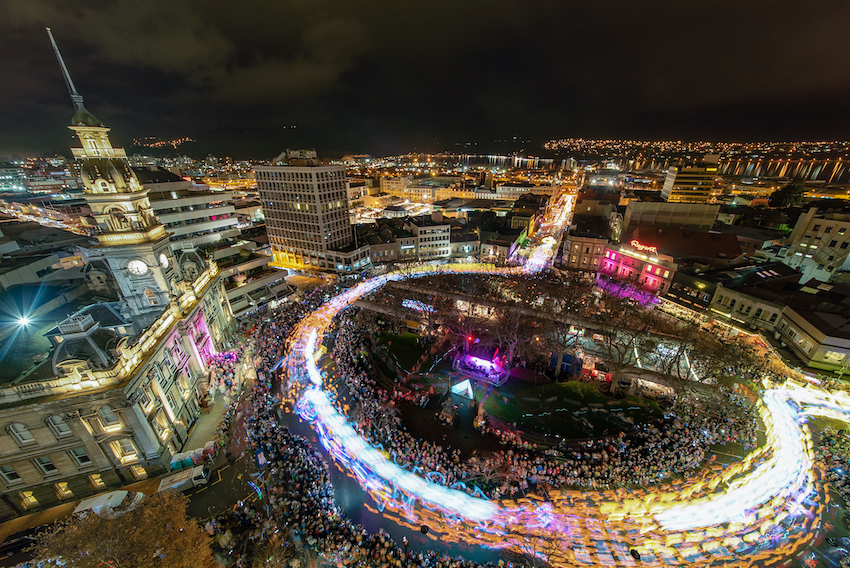
Organizers of a prominent Dunedin midwinter festival have limited ticket sales to ensure safety and manage crowd density, according to a report by 1News. The capacity cap aims to prevent overcrowding at the venue, though it means some prospective attendees will be unable to secure entry for the event.
Why was the ticket capacity capped at the Dunedin midwinter festival?
The decision to limit attendance stems from a need to balance high public demand with the physical constraints of the venue and safety regulations. According to reports from 1News, the cap was implemented to maintain a manageable environment for both staff and visitors. When event organizers exceed a specific threshold of people, the risk of congestion increases, which can hinder emergency access and degrade the overall experience for those attending.
Capacity capping is a common tool used by event planners to adhere to local council bylaws and fire safety codes. In Dunedin, where midwinter events often draw crowds from across the Otago region, the pressure on infrastructure can be significant. By setting a hard limit on tickets, organizers ensure that the venue does not exceed its legal occupancy limit, which is a requirement for maintaining event insurance and operating licenses.
Key drivers for the capacity limit include:
- Public Safety: Reducing the risk of crowd crush or bottlenecks in narrow thoroughfares.
- Venue Integrity: Preventing wear and tear on the site that occurs when occupancy exceeds designed limits.
- Quality of Experience: Ensuring attendees have enough space to move and access amenities without excessive queuing.
- Regulatory Compliance: Meeting the strict health and safety standards mandated by New Zealand law.
How does the capacity cap affect ticket availability?
The most immediate result of the capacity cap is a decrease in the total number of tickets available to the public. As reported by 1News, this has led to a faster-than-usual sell-out rate, leaving many residents and tourists unable to purchase tickets through official channels. This scarcity often creates a surge in demand on secondary markets, though organizers typically discourage the resale of tickets to prevent price gouging.
For those who have already secured tickets, the cap guarantees a more streamlined experience. Without the cap, the festival would likely face longer wait times for food, drinks, and attractions. By restricting the numbers, the organizers are prioritizing the safety and comfort of the confirmed guests over the total volume of attendees.
The following table outlines the typical differences between an uncapped event and a capped event in a municipal setting like Dunedin:
| Feature | Uncapped/Open Access | Capped Capacity |
|---|---|---|
| Crowd Density | High; potential for overcrowding | Controlled; planned spacing |
| Wait Times | Longer queues for amenities | Predictable, shorter queues |
| Safety Risk | Higher risk of bottlenecks | Lower risk; clear egress paths |
| Ticket Access | Easily available/Walk-ins | Limited; pre-booking required |
What are the broader implications for Dunedin’s winter tourism?
Dunedin relies heavily on seasonal events to drive tourism during the colder months. The midwinter festival is a cornerstone of this effort, attracting visitors who spend money on local accommodation, dining, and transport. When a major event caps its capacity, as noted in the 1News report, it creates a dual effect on the local economy.
On one hand, the “exclusive” nature of a capped event can increase the prestige and desirability of the festival, potentially driving even higher demand for future years. This “scarcity effect” can turn a local festival into a destination event that people plan for months in advance.
On the other hand, a strict cap limits the total number of visitors who might have otherwise traveled to the city. If thousands of people are turned away due to ticket limits, there is a potential loss in “spillover” spending—the money tourists spend at nearby cafes or hotels regardless of whether they get into the festival. However, most urban planners argue that the risk of a safety incident caused by overcrowding far outweighs the marginal economic gain of additional attendees.
“Managing the flow of people in a city center during winter requires precise planning, as weather conditions can often force crowds into smaller, sheltered areas, compounding the risk of overcrowding.”
How do event safety regulations in New Zealand influence these decisions?
The decision to cap tickets is rarely a choice made in isolation; it is usually a response to the Health and Safety at Work Act 2015. This legislation requires event organizers to identify and mitigate risks to the health and safety of workers and the public. Overcrowding is classified as a significant risk factor.
In the context of a Dunedin festival, organizers must work with the Dunedin City Council and local emergency services to determine the “Safe Occupancy Limit.” This limit is calculated based on the square footage of the venue, the number of available exits, and the speed at which a crowd can be evacuated in the event of a fire or other emergency.
If an event is found to have exceeded its capacity, organizers can face heavy fines, the immediate shutdown of the event by authorities, or the loss of their public liability insurance. Therefore, the cap mentioned by 1News is a protective measure for the organizers as much as it is a safety measure for the public.
Factors used to determine the capacity cap:
- Exit Width: The total width of all available exits determines how many people can leave the venue safely within a set timeframe.
- Staff-to-Guest Ratio: A certain number of security personnel and first-aid responders are required per 1,000 guests.
- Ventilation and Space: In indoor or semi-covered settings, air quality and physical spacing are critical for preventing panic and heat exhaustion.
- Traffic Flow: The ability of the surrounding street network to handle the arrival and departure of thousands of vehicles.
What can prospective attendees do if tickets are sold out?
With the capacity cap in place, the official ticket allotment is finite. According to the situation reported by 1News, those who missed out on tickets may feel frustrated, but there are several legitimate ways to handle the shortage.
First, attendees should monitor official social media channels for any released “house tickets” or cancellations. Organizers often hold a small percentage of tickets for sponsors or VIPs, some of which may be released to the general public closer to the event date.
Second, users are cautioned against purchasing tickets from unauthorized third-party sellers. Scams are common during high-demand events, and because the festival is capped, the organizers may implement strict ID checks or digital ticketing to ensure that only legitimate ticket holders enter. A ticket bought from an unofficial source may be invalidated at the gate.
For those unable to attend the main festival, Dunedin often hosts satellite events or smaller, uncapped gatherings during the midwinter period. Exploring related explainer on Dunedin winter activities can provide alternatives for visitors who still wish to experience the city’s seasonal atmosphere.
Comparing the Dunedin cap to other regional festivals
The move to cap tickets in Dunedin mirrors a growing trend across New Zealand’s regional festivals. In previous decades, many festivals operated on a “gate-entry” basis, where people paid upon arrival. However, the shift toward pre-booked, capped ticketing is now the industry standard for several reasons.
In larger cities like Auckland or Wellington, capacity caps are managed with massive infrastructure and hundreds of staff. In a smaller city like Dunedin, the logistics are more intimate, but the risks are the same. When comparing this to other Otago events, the midwinter festival’s approach suggests a move toward a “boutique” model—prioritizing a high-quality, safe experience over raw attendance numbers.
This shift is often a response to “overtourism” concerns. By capping the number of participants, the city avoids the gridlock and environmental degradation that can occur when a festival grows too large for its host community to sustain. This sustainable approach ensures that the festival remains a welcomed part of the city’s culture rather than a source of local friction.
Common misconceptions about event capacity caps
One common misconception is that a capacity cap is a marketing ploy to create “artificial scarcity” and drive up ticket prices. While scarcity can increase demand, the legal and financial risks of overcrowding in New Zealand make it highly unlikely that a legitimate organizer would risk a safety violation for the sake of a marketing gimmick.
Another misconception is that “capacity” refers only to the total number of tickets sold. In reality, capacity management includes “dynamic capping,” where organizers must account for staff, performers, vendors, and emergency services who are all inside the perimeter. If a venue has a limit of 5,000 people, the organizers cannot sell 5,000 tickets because the staff would push the total over the legal limit.
Finally, some believe that a cap means the event is “too small” for the city. On the contrary, a cap is often a sign that the event has become too popular for the current venue, indicating a need for either a larger site or a more sophisticated ticketing system in future iterations.
Frequently Asked Questions
Why did the Dunedin midwinter festival cap its tickets?
According to 1News, the cap was implemented to ensure public safety, prevent overcrowding, and comply with venue capacity and fire safety regulations.
Can I buy tickets from a third party if the event is capped?
It is highly discouraged. Organizers often use digital verification to prevent fraud. Tickets bought from unauthorized sellers may be invalid, and you risk losing your money to scams.
Does the capacity cap apply to all areas of the festival?
Generally, the cap applies to the total number of people allowed within the festival perimeter at any one time to ensure that emergency exits and common areas remain clear.
Will there be a waiting list for tickets?
While not every event offers one, many capped festivals maintain a waiting list to fill spots left by cancelled bookings. Check the official event website for availability.
How does this affect local businesses in Dunedin?
While it limits the total number of visitors, it ensures a safer and more pleasant environment, which encourages guests to spend more time and money at local businesses without the stress of extreme crowds.
Is this a permanent change for future Dunedin festivals?
While specific caps vary by year and venue, the trend toward pre-booked, limited-capacity events is increasing across New Zealand to meet modern health and safety standards.
