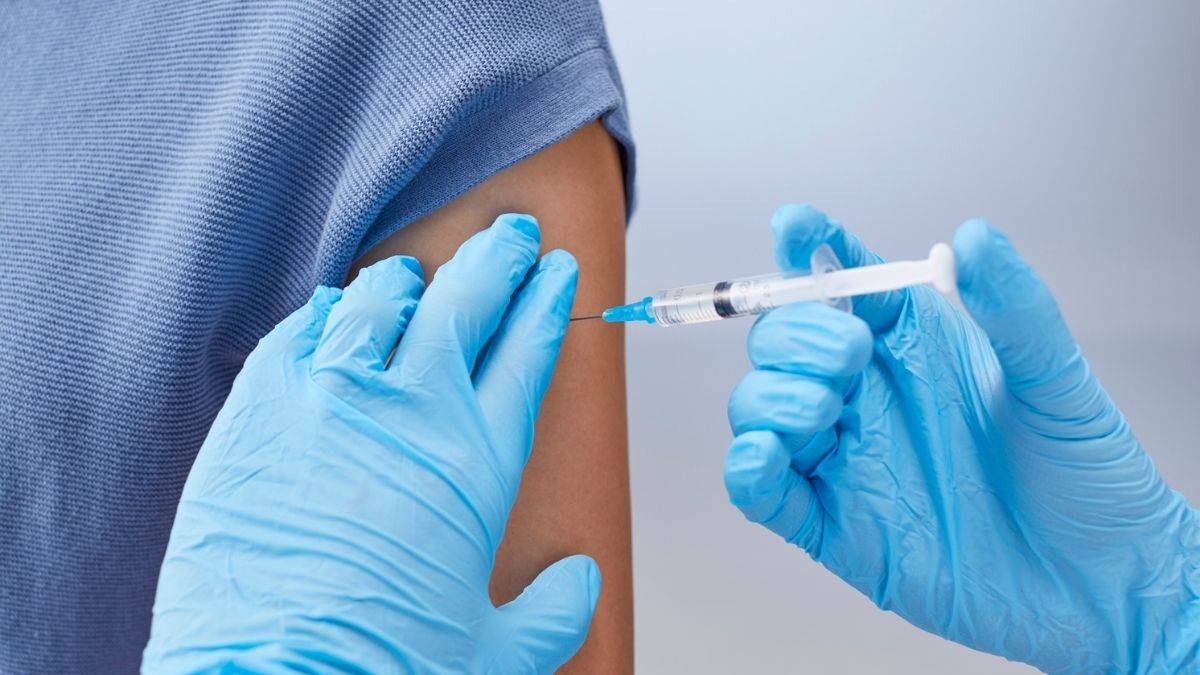
Health authorities emphasize that vaccinating children against the Human Papillomavirus (HPV) at age 12 is critical for the maximum prevention of cervical and other HPV-related cancers. According to public health reports, administering the vaccine before the onset of sexual activity ensures the highest level of efficacy by protecting individuals before they are exposed to the virus.
- Optimal Timing: Vaccination at age 12 is identified as the ideal window to ensure protection before viral exposure.
- Primary Goal: The vaccine serves as a primary prevention tool to reduce the incidence of cervical cancer.
- The Barrier: Delays in vaccination or hesitation regarding the age of administration act as barriers to achieving herd immunity and cancer reduction.
Why Vaccination Timing Matters
The efficacy of the HPV vaccine depends heavily on the timing of administration. According to health authorities, the vaccine is a preventive measure, not a treatment. Because it does not clear an existing HPV infection, it must be administered before an individual becomes sexually active.
Public health data indicates that the immune response is generally more robust in younger adolescents. By targeting the 12-year-old demographic, health systems aim to create a baseline of immunity that persists into adulthood, effectively blocking the most oncogenic strains of the virus.
The Link Between HPV and Cancer
The primary objective of these vaccination programs is the eradication of cervical cancer. Health reports state that the Human Papillomavirus is the main cause of this malignancy, as well as several other types of cancers affecting the throat, anus, and genitals.
By preventing the initial infection, the vaccine stops the cellular changes that can lead to cancer over several decades. According to health officials, the transition from an HPV infection to invasive cancer is often a slow process, making early prevention the most effective strategy for reducing long-term mortality rates.
Addressing Barriers to HPV Coverage
Despite the known benefits, health authorities identify a significant barrier in the timing of the vaccine. Hesitation to vaccinate children as young as 12 often stems from the vaccine’s association with sexual activity.
Public health experts argue that this perception creates a gap in coverage. When vaccination is delayed until later adolescence or early adulthood, the likelihood that an individual has already been exposed to one or more HPV types increases, which reduces the overall impact of the immunization.
The vaccine is the most powerful tool available to prevent cervical cancer, but its success depends on reaching the population before the risk of exposure begins.
Public health guidance on HPV prevention
Future Outlook for Prevention
According to health reports, the focus remains on increasing vaccination rates among 12-year-olds to move closer to the goal of eliminating cervical cancer as a public health threat. Authorities continue to advocate for the integration of the HPV vaccine into routine childhood immunization schedules to normalize the timing and remove social barriers to access.
