Millions watch rare total solar eclipse sweep across Spain and Iceland
The rare total solar eclipse drew millions of visitors to rural vantage points across Spain and Iceland, prompting a massive security deployment amid severe seasonal wildfire risks.
Evening turned into an eerie twilight across northern Spain on Wednesday, August 12, 2026, as a rare total solar eclipse plunged rural communities into sudden darkness just moments before sunset. But the celestial spectacle — Western Europe's first total solar eclipse since 1999, according to reporting by International Business Times — unfolded against an extraordinary security and environmental mobilization. As millions of tourists and eclipse chasers flooded into rural vantage points, Spanish authorities raced to prevent catastrophic blazes during one of the country's most hazardous dry periods by deploying a massive contingent of 25,000 police officers and nearly 100 planes and helicopters.
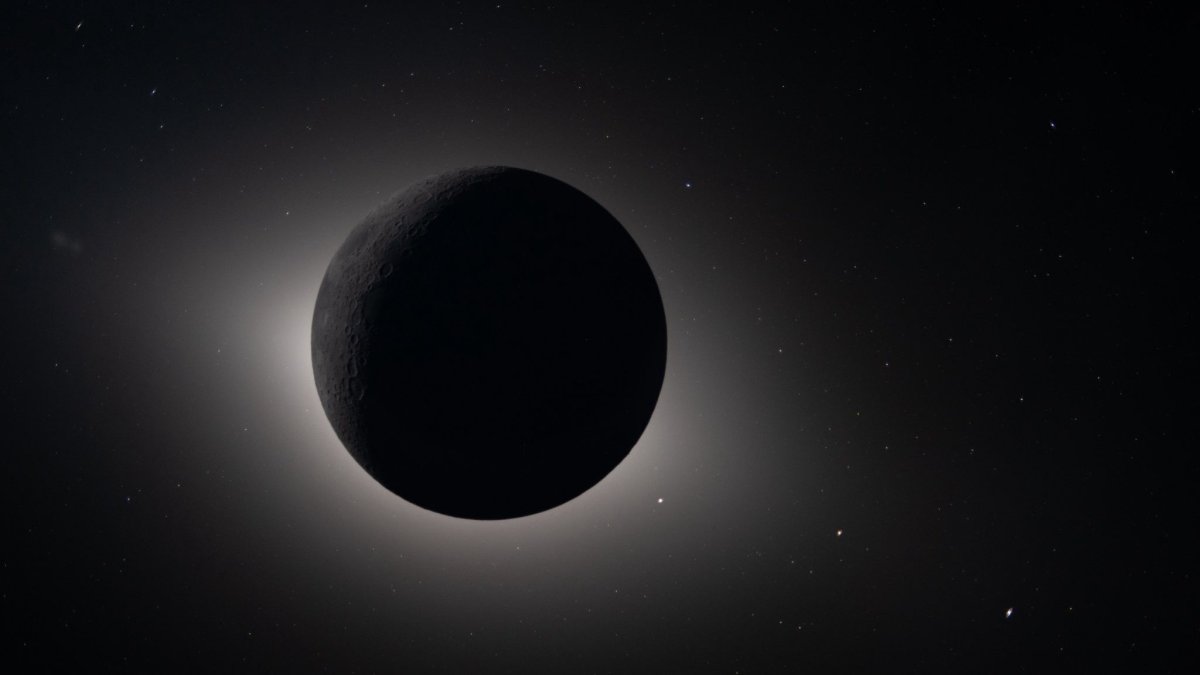
The convergence of a once-in-a-generation astronomical alignment and peak wildfire danger transformed the event into a high-stakes logistical test. While crowds cheered and applauded under fading skies from the rural district of Buitrago de Lozoya north of Madrid to Teruel province, where former Queen guitarist Brian May joined spectators at an observatory, as noted by Cyprus Mail, emergency services remained on high alert across the countryside. The path of totality stretched from the Arctic through Greenland and Iceland before crossing northern Spain and a small part of Portugal, offering millions a vivid demonstration of the moon passing directly between the Earth and the sun.
Related video and Instagram post


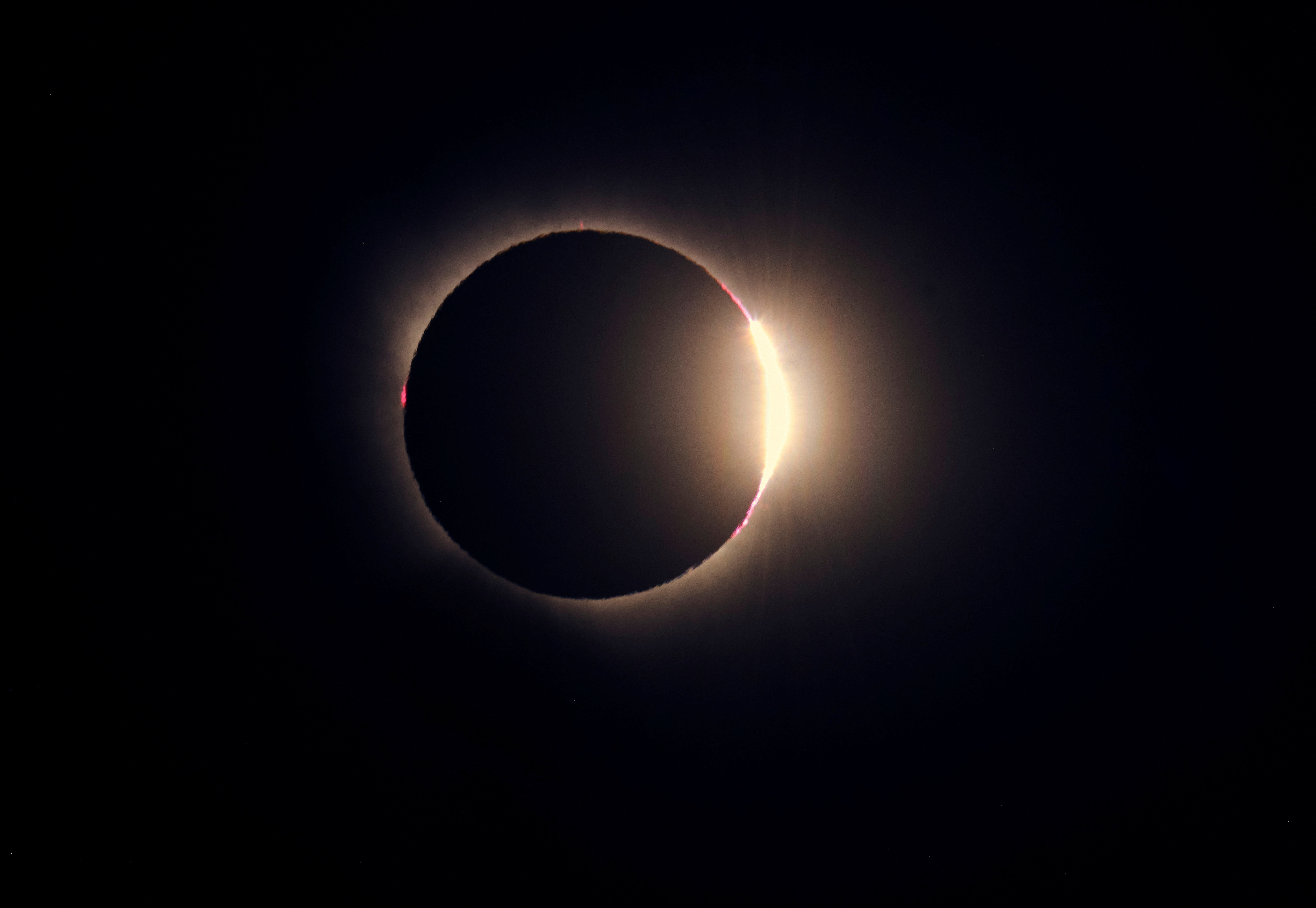
In northern Spain, where authorities anticipated up to 6 million visitors seeking views away from overcrowded coastal resorts, the celestial climax brought intense visual phenomena. Spectators watched Baily’s beads, bright points of sunlight shimmering along the lunar edge, glisten on the horizon just after 8:30 p.m. (1830 GMT), lasting barely a minute, according to The Hindu Business Line. Observers described waking garden sprinklers and altered brain perception as colors gradually returned. Meanwhile, weather conditions contrasted sharply in Iceland, where an estimated 80,000 visitors joined a population of roughly 400,000. While heavy clouds obscured the view in central Reykjavík, a timely break in the clouds over the westernmost coast revealed totality for up to 2 minutes and 13 seconds, plunging the area into darkness around 5:44 p.m. (1744 GMT).
Accessibility initiatives ran parallel to the massive security deployment. Visually impaired spectators across Spain experienced the celestial shift through innovative LightSound sonification devices, deployed across more than 50 public viewing events funded through ICE-CSIC, as reported by CNN. National broadcaster RTVE also supplemented the coverage with dedicated audio-description channels.
That high-tech inclusion contrasted with the gritty reality on the ground, where emergency crews fought active blazes amid severe seasonal wildfire risks. A small fire erupted near an observation point in the Valencia region town of Peñíscola, originating in a vehicle before spreading to 33 more vehicles, local authorities stated. Firefighters and dispatched aircraft quickly brought the incident under control.
As of late Wednesday, authorities confirmed that no wildfire incidents had been officially linked to eclipse chasers.
The Iberian Eclipse Trio and Future Skies
According to Cyprus Mail and The Hindu Business Line, Wednesday's astronomical milestone marks the beginning of a sequence known as the "Iberian Eclipse Trio". The Iberian Peninsula previously experienced a total solar eclipse in 1912. NASA and the European Space Agency noted that the event forms part of a broader schedule of solar phenomena crossing Europe, though Wednesday's spectacle remained uniquely distinguished by its multi-country visibility and its status as the first major total eclipse in Western Europe since 1999, as detailed by International Business Times.
- August 2, 2027: The scheduled date for the next total solar eclipse crossing parts of Spain.
- January 2028: The projected timing for an annular eclipse following the total eclipse events.
As astronomers and skywatchers look ahead to these upcoming alignments, the next step involves preparing for the subsequent total solar eclipse due on August 2, 2027, which will complete the sequence following the massive security and scientific mobilization seen across Spain and Iceland.
Accessibility, Security, and Global Perspectives
According to reporting by CNN, accessibility initiatives ran parallel to the massive security deployment. Visually impaired spectators across Spain experienced the celestial shift through innovative LightSound sonification devices, deployed across more than 50 public viewing events funded through ICE-CSIC. Allyson Bieryla, an astronomer at Harvard who runs the LightSound Project, noted that about 1,000 devices had been distributed globally by the 2024 eclipse, with new developments for future events aimed at adding tones for different wavelengths of color and vibrations, while national broadcaster RTVE supplemented the coverage with dedicated audio-description channels.
International Business Times noted that the multi-country visibility stretched from the Arctic through Greenland and Iceland before crossing northern Spain and a small part of Portugal. Cyprus Mail reported that lawyer Eduarda Ortiz described the scene in Reykjavík, stating, It was like a whole day just came at once and I felt goosebumps because it just made us think about … the shortness of life, how time can be different and it depends on your perspective.
Meanwhile, as astronomers and skywatchers look ahead to upcoming alignments, the next step involves preparing for the subsequent total solar eclipse due on August 2, 2027, which will complete the sequence following the massive security and scientific mobilization seen across Spain and Iceland.
How significant is this development?
Contribute your assessment to the aggregated reader intelligence ledger.
Archypedia is dedicated to independent, evidence-backed reporting. This briefing was synthesized from primary source reporting, corroborated across independent newsrooms, and verified against our Editorial Standards.
Transparency record
Evidence behind this report
This report synthesizes 4 distinct sources. Open the source ledger below to compare the underlying coverage.
Prepared under the Archypedia Editorial Policy by the Samir Haddad editorial desk profile. AI-assisted tools may support drafting and verification; public accountability remains with Archypedia. Report an error.