August 12 solar eclipse set to boost tourism in rural Spain
The 2026 total solar eclipse is driving a strategic surge in travel to Spain's rural inland regions, helping officials shift tourism away from crowded hotspots.
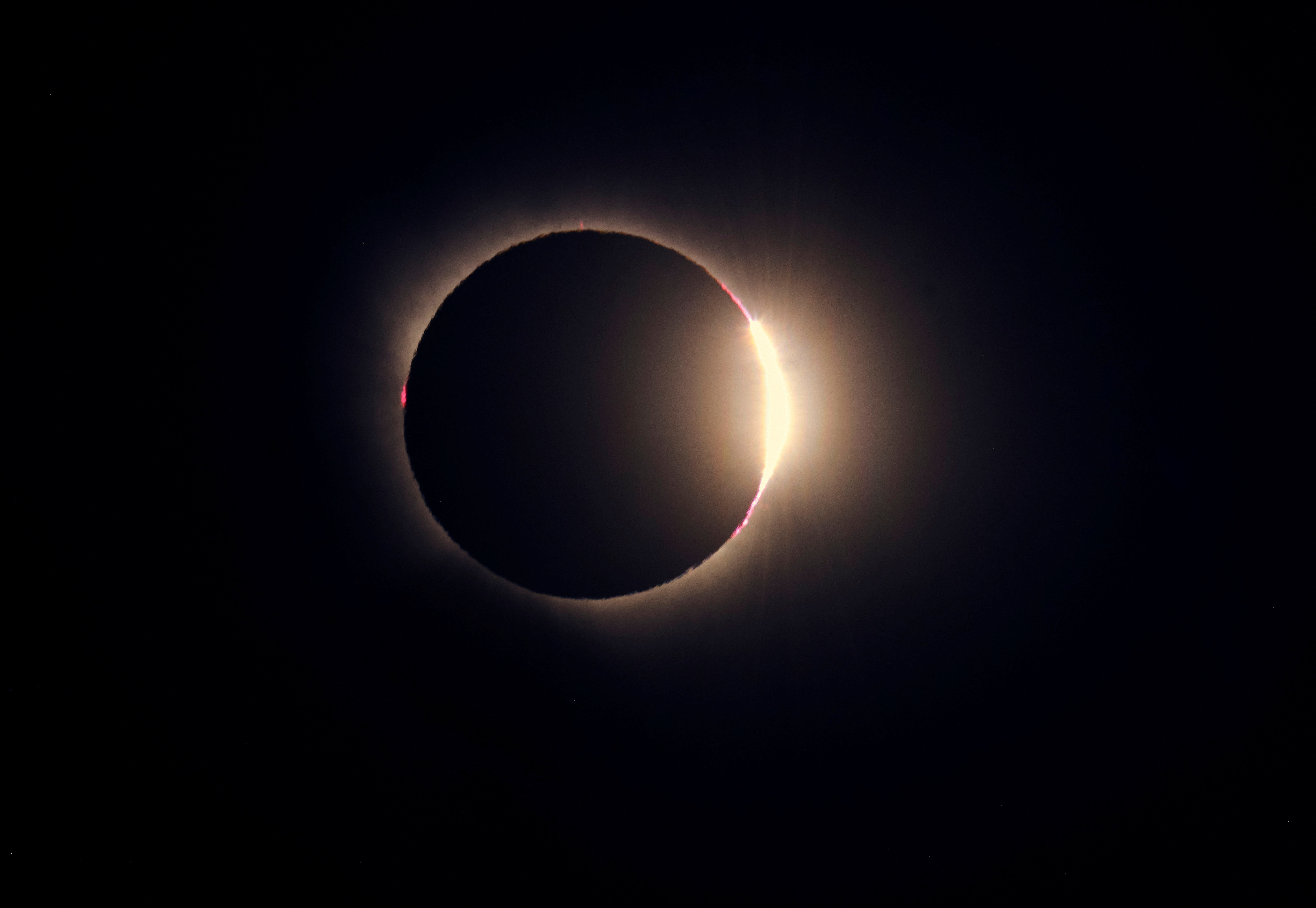
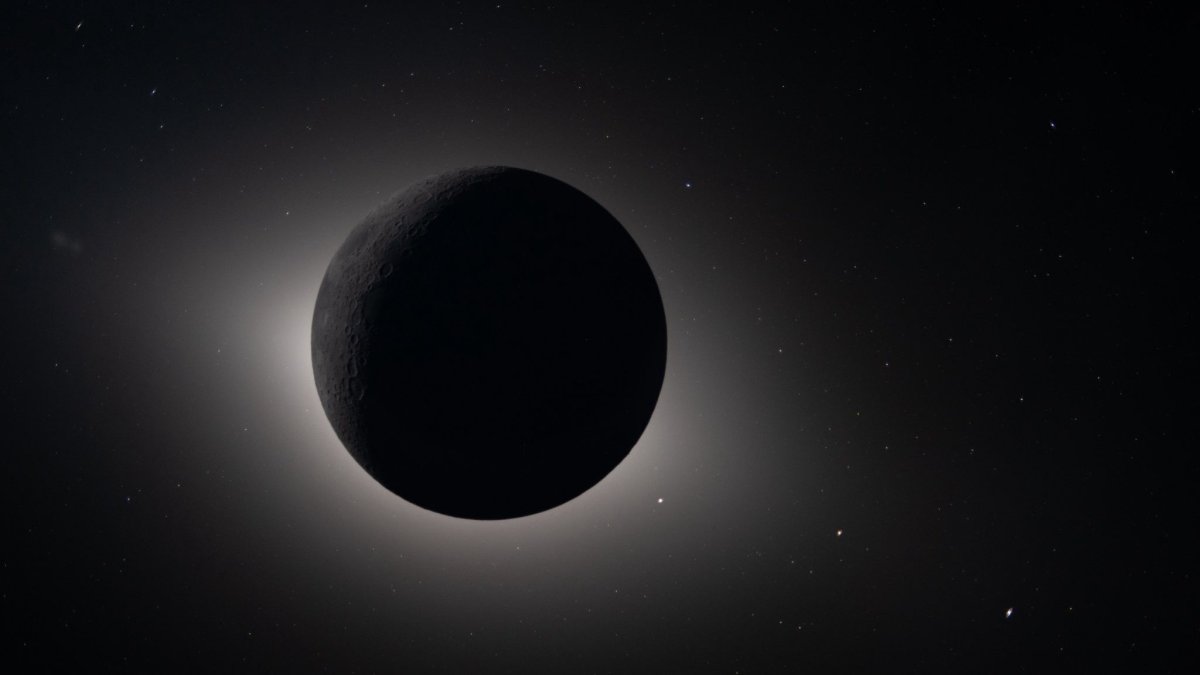
Spain is bracing for a surge of international visitors as it prepares for a total solar eclipse occurring on August 12, 2026. This rare celestial event, which will be the first total eclipse visible from the country’s mainland in over a century, is expected to bring hundreds of thousands of travelers to rural and inland regions often bypassed in favor of coastal hotspots.
A Strategic Shift in Tourism
Government officials and tourism boards view the event as an unprecedented opportunity to help rebalance tourist flows in Spain. By directing visitors toward the "band of totality" — which stretches from the Atlantic coast through regions including Galicia, Asturias, Castile and Leon, and Aragon — authorities hope to alleviate the pressure of overtourism in cities like Barcelona and support local economies that have suffered from population decline.
Related media

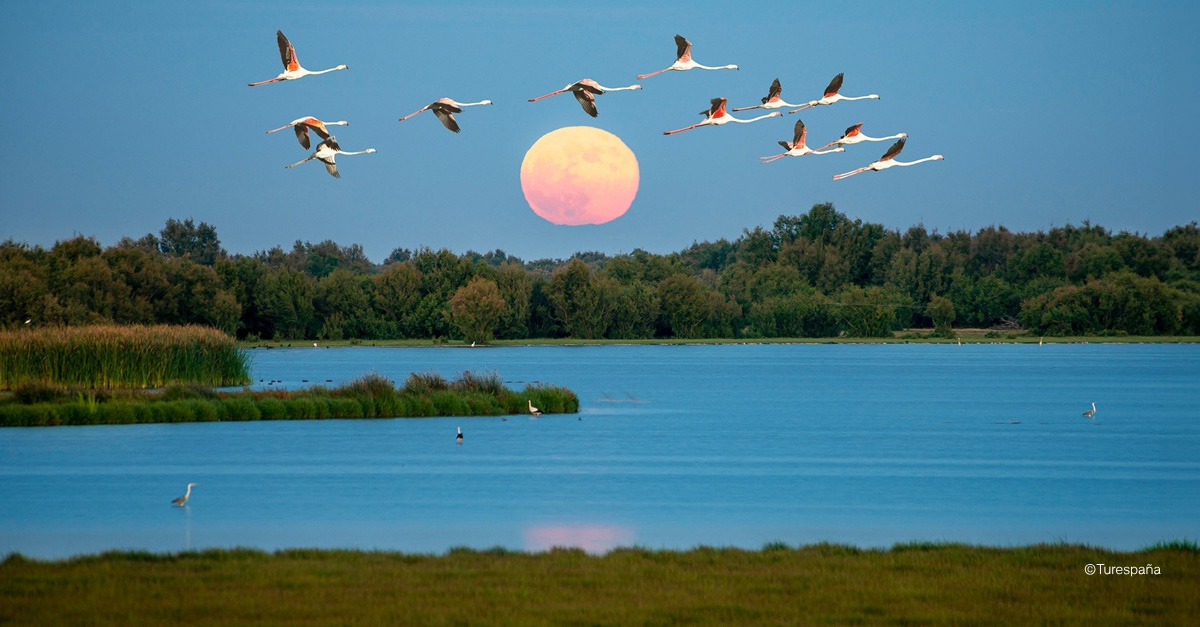
The Spanish Ministry of Industry and Tourism, through Turespaña, has launched a dedicated information portal to provide safety guidance and logistical support. This initiative is part of a broader, multi-year strategy, as Spain will host a "trio of eclipses" between 2026 and 2028. Following the August 12 event, a second total solar eclipse is scheduled for August 2, 2027, followed by an annular eclipse on January 26, 2028.
Local Impact and Logistics
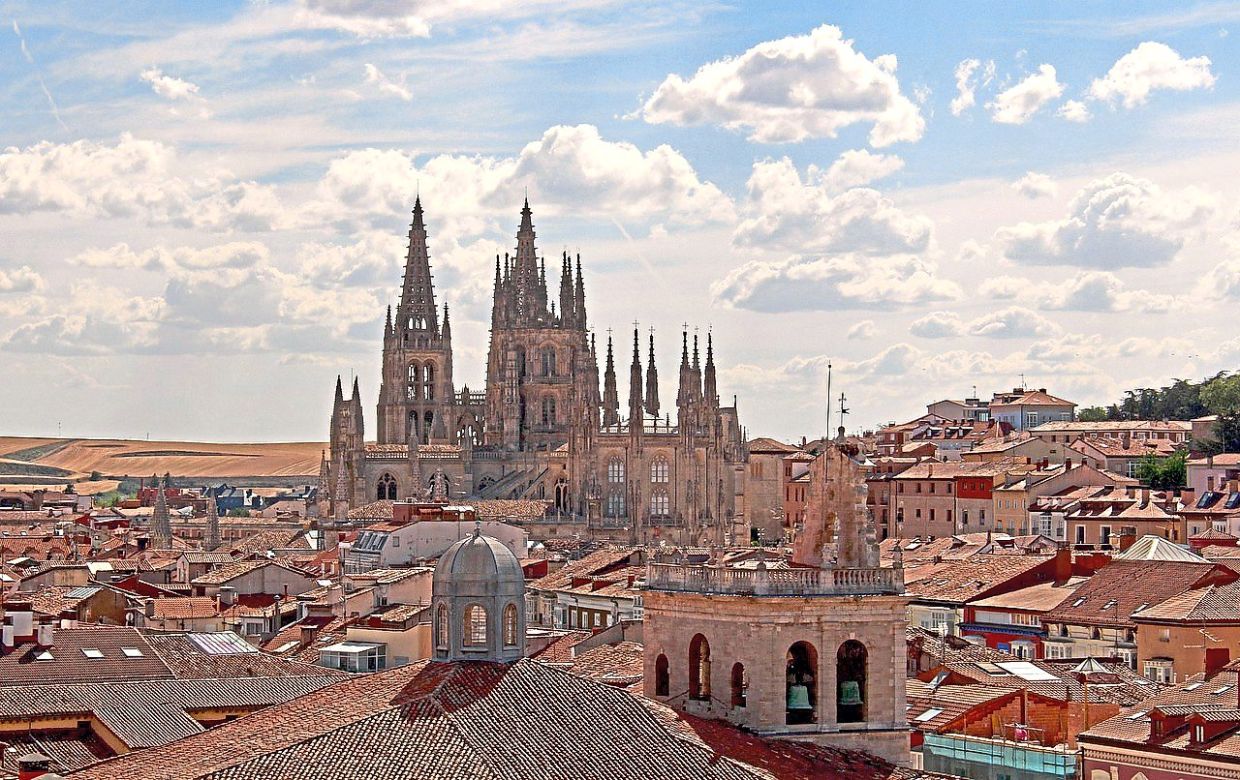
In anticipation of the event, rural communities are mobilizing. In the village of Belorado, the local astronomy association has been working to prepare residents and visitors for the spectacle. "We’re absolutely buzzing," said Enrique Bordallo, president of the Burgos Astronomy Association, via The Star. In the city of Burgos, local leadership has coordinated months of planning to manage the arrival of an estimated 40,000 visitors, a figure representing more than one-fifth of the city's total population. Across the wider Castile and Leon region, officials expect roughly 500,000 visitors.
The economic impact is already visible in the hospitality sector. According to Amadeus, flight bookings to airports along the eclipse path for the window of August 7–12 have increased by 25% compared to the previous year. Occupancy levels have climbed by 16%, and average daily room rates have surged by 36%. In Burgos, hotel rooms were reportedly fully booked months in advance, with some rare vacancies reaching prices as high as €1,200 per night, according to local hoteliers.
Recommended Observation Cities
While the path of totality covers a vast area, experts have identified specific locations for optimal viewing, noting that the eclipse will occur near sunset. Space.com suggests the following cities for their vantage points and infrastructure:
- Palencia: Offers open, flat landscapes such as the Mirador de Palencia.
- León: Noted for sunset views at the Mirador de las Lomas.
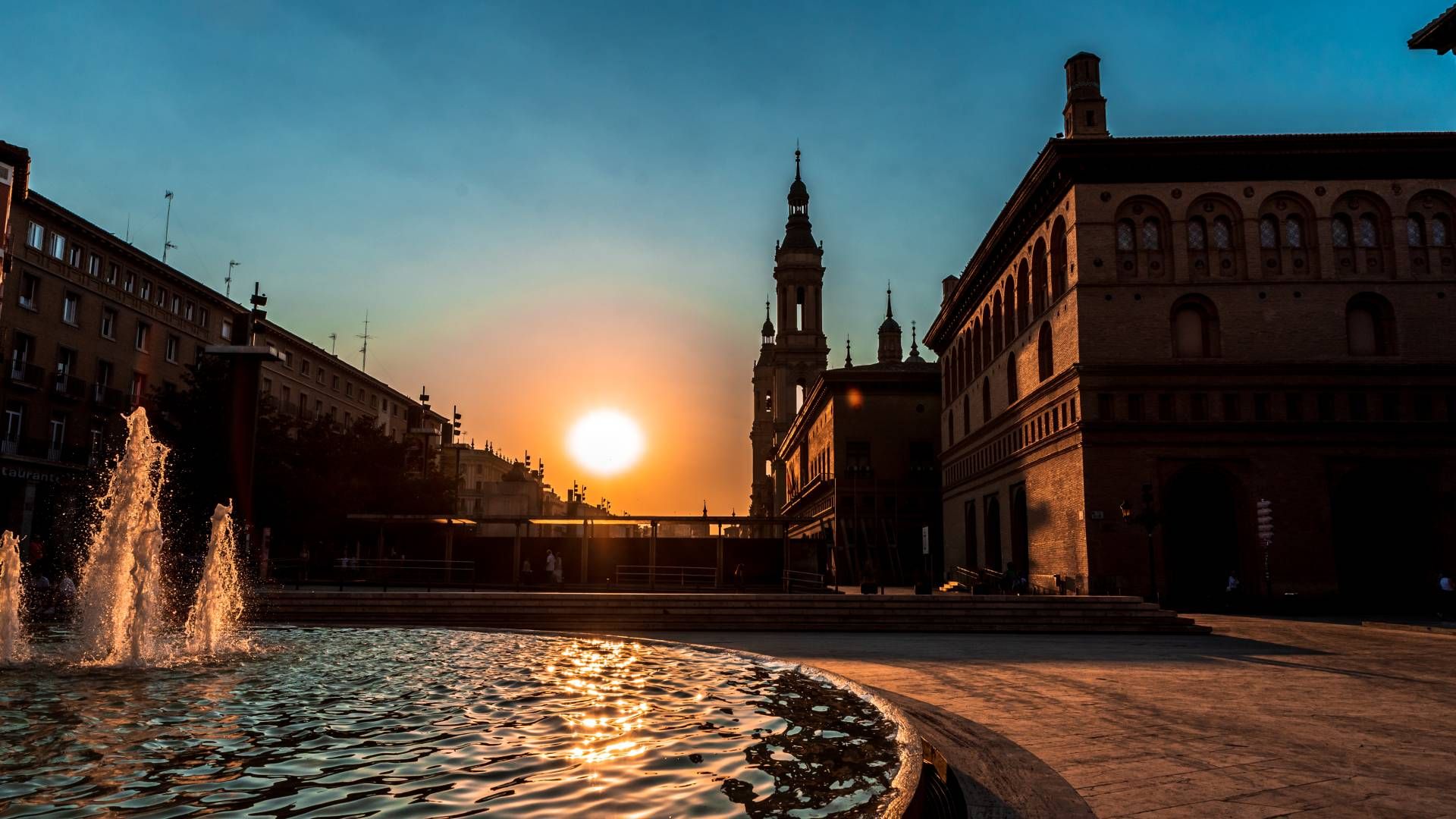
- Zaragoza: Features historic architecture, with viewpoints along the Ebro River.
- A Coruña: The first major city on mainland Europe to experience totality, with popular beach-side viewing areas.
- Bilbao: Offers elevated viewing from the Artxanda Viewpoint.
Safety and Sustainability
As the event nears, health officials have raised concerns regarding eye safety. Marta Serrano, an optician in Burgos, warned that observers must use certified eclipse glasses, comparing the risk to failing to use sunscreen on a cloudy day. "Then at night you realise that you did because the rays keep getting through," she explained via Yahoo Travel.
What to Watch Next
- August 12, 2026: The main event takes place, with total darkness lasting roughly 90 seconds in the band of totality.
- Crowd Management: Local authorities have designated specific observation zones to manage the influx of day-trippers and mobile caravans.
As the date approaches, observers are encouraged to verify their chosen locations using official government resources and to avoid reliance on urban centers like Madrid, where the eclipse will remain a partial, 99.96% event rather than a total one.
Archypedia is dedicated to independent, evidence-backed reporting. This briefing was synthesized from primary source reporting, corroborated across independent newsrooms, and verified against our Editorial Standards.
Transparency record
Evidence behind this report
This report synthesizes 8 distinct sources. Open the source ledger below to compare the underlying coverage.
- malaymail.com
- thestar.com.my
- space.com
- travelandtourworld.com
- amadeus.com
- nomadlawyer.org
- travel.yahoo.com
- en.fundacionstarlight.org
Prepared under the Archypedia Editorial Policy by the Niko Vale editorial desk profile. AI-assisted tools may support drafting and verification; public accountability remains with Archypedia. Report an error.