FCC approves Reflect Orbital space mirror test despite safety concerns
Regulators have cleared an experimental space mirror test despite warnings from astronomers that the technology could disrupt research and ecosystems. The mission is the first step toward the company's proposed goal of providing sunlight on demand.

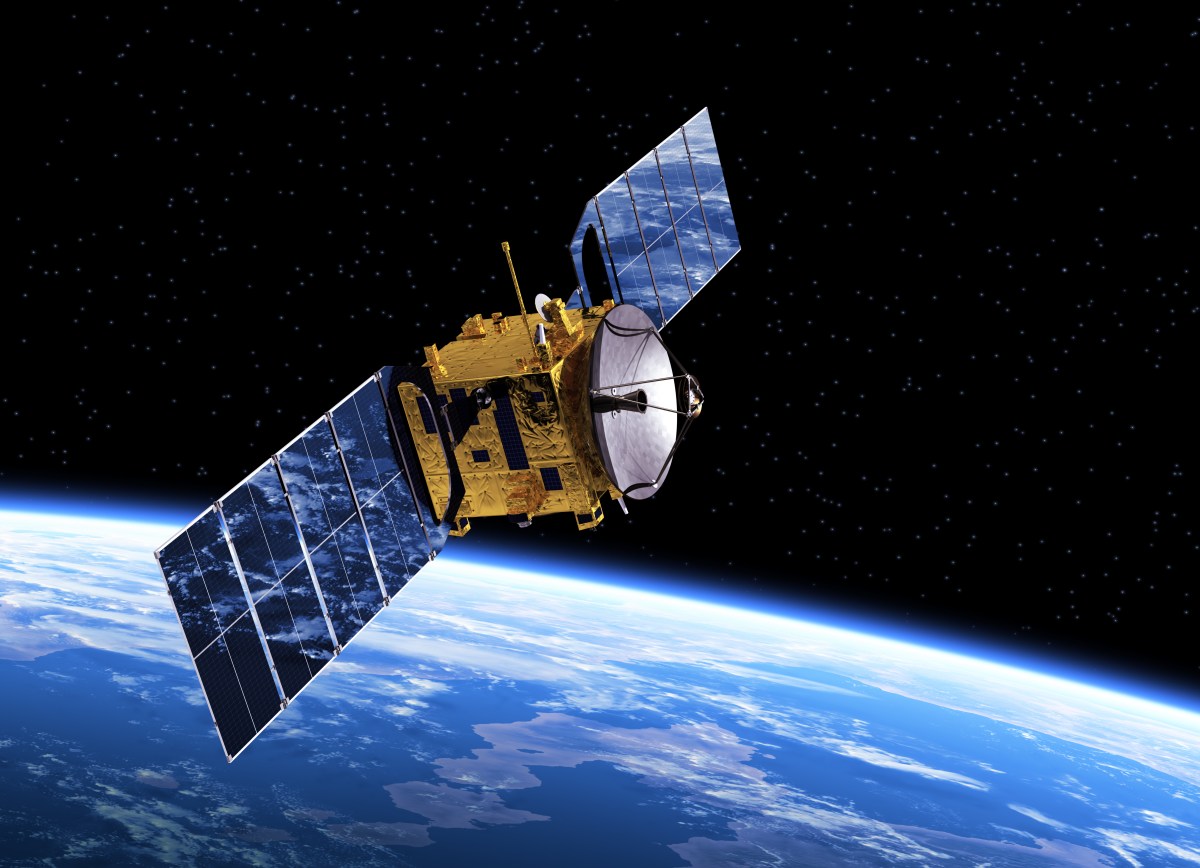
The United States Federal Communications Commission (FCC) has authorized the launch and operation of Eärendil-1, an experimental satellite developed by the California-based startup Reflect Orbital. The approval, finalized on 9 July 2026, marks the first step in a venture the company terms sunlight on demand
. The mission involves an 18-meter reflector designed to catch the sun’s rays and beam them back to specific locations on Earth. The authorization allows the company to deploy the test satellite at an altitude of about 625 kilometers.
Technical Objectives and Mission Scope
The primary goal of Eärendil-1 is to test the feasibility of a thin, film-based reflective surface capable of directing light toward a target area on the ground. Reflect Orbital plans to focus this light onto a patch of land between 5 kilometers and 6 kilometers in diameter. Because the satellite remains in constant motion, it must actively reposition its mirror every four minutes to maintain its target focus.
Related media



Reflect Orbital envisions diverse applications for its technology, including increasing solar energy generation after dark, assisting emergency search-and-rescue operations in disaster zones, and providing lighting for remote construction or agricultural sites. While the current authorization is strictly limited to this single test unit, the company has outlined an ambitious roadmap for future expansion: 36 satellites by next year, 5,000 by 2030, and a constellation of 50,000 units by 2035.
Regulatory Jurisdiction and Public Opposition
The approval process generated significant friction, with the FCC receiving nearly 2,000 public comments and formal petitions to deny the mission. Organizations including the American Astronomical Society, DarkSky International, and the Royal Astronomical Society expressed urgent concerns regarding the project's impact. Critics argued that the mirror could pose safety risks to aviation pilots and ground drivers due to potential light flashes, while also threatening nocturnal ecosystems and human circadian rhythms. Furthermore, astronomers warned that the intentional reflection of light could overwhelm sensitive telescope instruments and degrade the quality of research data collected from the ground.
Despite this opposition, the FCC maintained that it lacked the authority to reject the application based on these specific concerns. The agency noted that its regulatory mandate is confined to the authorization of radiofrequency spectrum use. In its formal response, the commission stated, We find that concerns regarding Eärendil-1's impact on optical astronomy fall outside the scope of our review and authorization of this space station
.
Moriba Jah, a professor at the University of Texas at Austin, observed that the scientific community’s efforts to raise alarms regarding environmental and astronomical consequences were effectively ignored by the only federal body currently overseeing the launch. Others, including Samantha Lawler of the University of Regina, have pointed out that no U.S. Federal agency currently maintains authority over the environmental effects of light pollution originating from orbit.
An Increasingly Crowded Orbit
The Eärendil-1 launch takes place within an increasingly congested low-Earth orbit. Current satellite traffic, led by the roughly 11,000-strong Starlink fleet, has already forced coordination challenges for major missions, such as the Artemis launch windows. The FCC has acknowledged the growing complexity of these requests, recently documenting the rise of weird space stuff
—a category that includes private space stations, pharmaceutical manufacturing, and orbital solar energy collection.
While Reflect Orbital CEO Ben Nowack asserts that the company will maintain strict precision in its light targeting and will avoid illuminating areas where residents object, as the company moves toward its goal of 50,000 satellites, the debate over how to govern the transition from a natural night sky to an artificially managed one continues, with future regulatory approvals required for every step beyond the current test mission.
Archypedia is dedicated to independent, evidence-backed reporting. This briefing was synthesized from primary source reporting, corroborated across independent newsrooms, and verified against our Editorial Standards.
Transparency record
Evidence behind this report
This report synthesizes 6 distinct sources. Open the source ledger below to compare the underlying coverage.
Prepared under the Archypedia Editorial Policy by the Niko Vale editorial desk profile. AI-assisted tools may support drafting and verification; public accountability remains with Archypedia. Report an error.