Romania: Russian drone strikes Galati apartment building – DW.com: Analysis of the Escalation on NATO’s Eastern Flank
The geopolitical stability of Eastern Europe has been thrust into a new state of tension following reports that a Russian drone struck a residential apartment building in Galati, Romania. This incident, widely discussed in reports such as Romania: Russian drone strikes Galati apartment building – DW.com, represents a perilous intersection between the ongoing conflict in Ukraine and the territorial integrity of the North Atlantic Treaty Organization (NATO). While Russia has consistently denied intentional strikes on NATO soil, the forensic evidence and the strategic location of the impact have sparked an international outcry and a rapid mobilization of diplomatic and military responses.
The strike in Galati is not merely a localized tragedy or a collateral accident of war; We see a signal of the increasing volatility along the Black Sea coast. As Russia continues its campaign of long-range drone and missile strikes against Ukrainian infrastructure, the “spillover” effect is becoming a recurring nightmare for NATO members. The impact on a civilian residential structure in a Romanian city elevates the stakes from a mere airspace violation to a direct hit on civilian infrastructure, forcing a critical conversation about the thresholds of collective defense and the limits of Russian aggression.
The Anatomy of the Galati Strike: What Happened
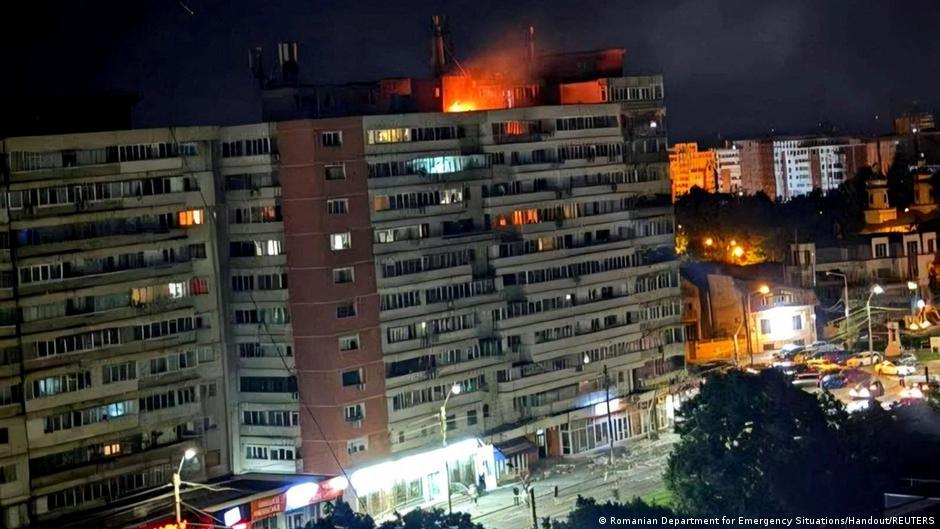
The incident occurred in Galati, a strategic port city located in eastern Romania, near the border with Ukraine and situated along the Danube River. According to local reports and subsequent international coverage, a drone—identified by NATO officials as being of Russian origin—penetrated Romanian airspace and crashed into an apartment building. The strike caused significant structural damage and sent shockwaves through a population that, while supportive of Ukraine, has largely remained insulated from the direct kinetic effects of the war.
Immediate emergency responses involved the evacuation of residents and a rapid deployment of Romanian military and intelligence units to secure the crash site. The primary goal of the initial investigation was to determine whether the drone was a “stray” munition intended for a Ukrainian target or a deliberate provocation designed to test NATO’s resolve. In the context of the Romania: Russian drone strikes Galati apartment building – DW.com narrative, the focus has remained on the vulnerability of civilian areas to modern loitering munitions.
Key Details of the Incident
- Location: Galati, Romania (Eastern border region).
- Target: A residential apartment complex.
- Weaponry: An unmanned aerial vehicle (UAV) of Russian manufacture.
- Immediate Impact: Structural damage to civilian housing and heightened regional alarm.
- Official Stance: Romania and NATO confirm Russian origin; Moscow denies responsibility.
Strategic Significance of Galati
To understand why a strike in Galati is so significant, one must look at the city’s geography and economic role. Galati is one of Romania’s most important industrial hubs, hosting a major steel plant and a vital port on the Danube. During the current conflict, the Danube River has become a critical lifeline for Ukrainian grain exports, bypassing blocked Black Sea ports. This makes the region a high-interest zone for Russian intelligence and military planners.
By striking or operating near Galati, Russia potentially disrupts the logistics of Ukrainian exports and puts pressure on Romania’s role as a transit hub for Western military aid flowing into Ukraine. The psychological impact is equally potent: by bringing the war to a NATO city, the Kremlin signals that no territory is entirely safe from its reach, regardless of official alliances.
| Factor | Strategic Importance | Risk Level |
|---|---|---|
| Danube Port | Critical for Ukrainian grain exports | High |
| NATO Border | Direct frontier with the conflict zone | Extreme |
| Industrial Base | Steel production and logistics | Moderate |
| Civilian Density | High risk of collateral casualties | High |
The NATO Dilemma: Article 5 and the Threshold of War
The most pressing question following the Romania: Russian drone strikes Galati apartment building – DW.com reports is whether such an event triggers Article 5 of the North Atlantic Treaty. Article 5 is the cornerstone of the alliance, stating that an attack against one member is considered an attack against all.
However, the application of Article 5 is not automatic. It requires a political decision by the member states. The challenge in the Galati case is the “grey zone” nature of the attack. Was it a deliberate act of aggression, or a technical failure of a drone targeting Ukraine? If NATO treats every stray drone as a casus belli (cause for war), it risks an accidental escalation into a global conflict. Conversely, if it ignores direct hits on civilian buildings, it risks appearing weak, potentially encouraging further Russian incursions.
“The United States remains steadfast in its commitment to the alliance. We will defend every inch of NATO territory, ensuring that the sovereignty of our allies is respected and protected against any external aggression.”
The U.S. Response has been designed to provide a deterrent without immediately escalating to full-scale military intervention. By emphasizing the “every inch” doctrine, Washington is reminding Moscow that while the alliance seeks to avoid a direct clash, the cost of intentional escalation would be catastrophic for the Russian Federation.
Article 4 vs. Article 5
Before jumping to Article 5, NATO members often utilize Article 4, which allows members to bring an issue to the table for consultation when they feel their territorial integrity or security is threatened. In the wake of the Galati strike, Article 4 consultations have been the primary mechanism for coordinating a unified response, allowing the alliance to share intelligence and decide on proportional countermeasures.
The Russian Narrative and the War of Information
Consistent with its strategy throughout the conflict, the Kremlin has denied that the drone was a deliberate attack on Romania. Moscow typically frames such incidents as “provocations” by the West or as unfortunate accidents resulting from Ukrainian air defense systems knocking drones off course. This denial serves two purposes: it avoids the legal triggers of NATO’s collective defense and creates a layer of plausible deniability that complicates the alliance’s decision-making process.
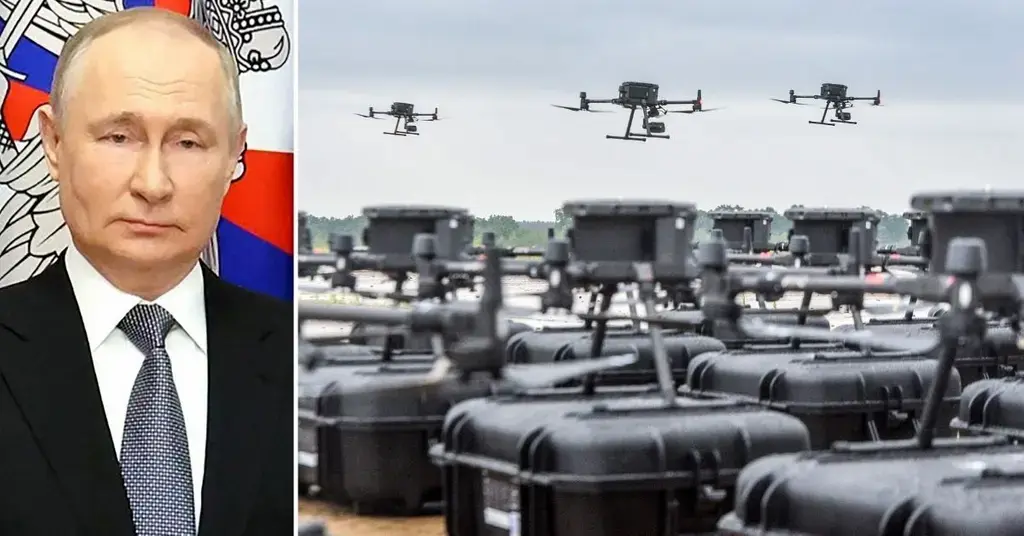
Adding a layer of complexity is President Vladimir Putin’s recent rhetoric. While drones are hitting NATO borders, Putin has simultaneously made claims that the conflict in Ukraine is nearing an end. This contradiction—aggressive military incursions paired with diplomatic hints of a resolution—is a classic example of “coercive diplomacy.” By demonstrating the ability to strike near or within NATO territory, Russia attempts to strengthen its bargaining position at any future peace table.
Experts suggest that the Romania: Russian drone strikes Galati apartment building – DW.com incident is part of a broader pattern of “salami slicing”—small, incremental violations of international norms that, individually, may not trigger a war, but collectively shift the boundaries of what is acceptable.
Comparative Analysis: A Pattern of Incursions
The strike in Galati is not an isolated event. Since the full-scale invasion of Ukraine in February 2022, several NATO members have reported Russian missiles or drones entering their airspace. Poland and Latvia have both dealt with similar incidents, where debris from Russian missiles or drones crashed on their soil.
Comparing the Galati strike to these previous events reveals a trend of increasing boldness. While earlier incursions were often characterized as “accidental” debris, the hit on a residential building in Romania suggests either a failure in Russian guidance systems or a willingness to accept higher risks of NATO escalation. This pattern forces NATO to rethink its “Eastern Flank” defense strategy, moving from passive monitoring to active interception.
Timeline of Notable NATO Airspace Violations
- Poland (2022-2023): Multiple instances of missile debris landing in Polish territory during strikes on Western Ukraine.
- Romania (Early Conflict): Periodic reports of drones entering Romanian airspace, often intercepted or crashing in uninhabited areas.
- Latvia/Estonia: Reports of drone surveillance and occasional airspace breaches.
- Galati Incident: A direct hit on a civilian apartment building, marking a significant escalation in the potential for human casualties.
Human and Social Implications in Romania
Beyond the geopolitical chess match, the strike in Galati has a profound impact on the local population. Romania has been a key supporter of Ukraine, providing refuge to millions of displaced people and facilitating the transit of weaponry. However, there is a delicate balance in the Romanian public consciousness between supporting a neighbor and fearing the consequences of that support.
The sight of a drone hitting a residential building transforms the war from a distant tragedy into a local reality. This can lead to two divergent social reactions: a surge in nationalistic resolve and a demand for stronger military protection, or a growing apprehension that could put political pressure on the Romanian government to distance itself from the conflict to avoid further strikes.
For more information on the regional security dynamics, you may find a related explainer on NATO’s Eastern Flank strategy useful in understanding how troop deployments are shifting to counter these threats.
Common Misconceptions Regarding the Strike
In the rush to report on the Romania: Russian drone strikes Galati apartment building – DW.com story, several oversimplifications have emerged. It is important to clarify these points to maintain a factual understanding of the event.
Misconception 1: “This automatically means World War III”
While a strike on a NATO member is serious, it does not automatically trigger a global war. NATO’s response is calibrated. The alliance prefers proportional responses—such as increased surveillance, diplomatic sanctions, or the deployment of additional air defense systems—over immediate full-scale military retaliation.
Misconception 2: “The drone was a cruise missile”
There is a technical difference between a cruise missile and a loitering munition (drone). Drones are slower and more susceptible to electronic warfare, but they are often used in “swarms” to overwhelm air defenses. The Galati incident involved a UAV, which suggests a different tactical intent than a high-speed missile strike.
Misconception 3: “Russia is trying to start a war with NATO”
Most analysts argue that Russia is not seeking a direct war with NATO, which would be strategically disastrous for the Kremlin. Instead, they are likely engaging in “threshold testing”—seeing how much they can get away with before NATO reacts, thereby intimidating the alliance into reducing its support for Ukraine.
Future Outlook and Security Measures
Moving forward, Romania and its NATO allies are likely to implement several key measures to prevent a recurrence of the Galati strike. The primary focus will be the enhancement of Integrated Air and Missile Defense (IAMD). This includes the deployment of more advanced radar systems capable of detecting low-flying, slow-moving drones that often evade traditional radar.
there is a growing discussion about “active defense” zones. This would involve NATO aircraft or air defense batteries intercepting Russian drones before they cross the border, even if the drones are still in Ukrainian or international airspace. While this would increase the risk of direct engagement, it would protect civilian populations in cities like Galati from the “spillover” effect.
The international community will also be watching the diplomatic fallout. If Russia continues to deny these strikes despite forensic evidence, the credibility of the “peace” rhetoric coming from the Kremlin will further erode, potentially leading to a more aggressive posture from Western allies.
Frequently Asked Questions
Was anyone killed in the Galati drone strike?
Reports indicate significant structural damage to the apartment building; however, the primary focus of initial reports was on the breach of sovereignty and the damage to civilian property. Official casualty lists are typically managed by local authorities to ensure accuracy before public release.
How does NATO distinguish between an accidental and a deliberate strike?
Intelligence agencies analyze the drone’s flight path, the telemetry data, and the target’s nature. A drone that veers off course toward a forest is seen as an accident; a drone that maintains a steady trajectory into a residential building in a strategic port city is viewed with much higher suspicion.
Will the US send more troops to Romania because of this?
While the US has reaffirmed its commitment to defend NATO territory, troop increases are usually handled through planned rotations rather than immediate reactions to single incidents. However, the deployment of additional air defense assets (like Patriot batteries) is a more likely immediate response.
Why didn’t Romanian air defenses shoot down the drone?
Small drones, particularly those made of composite materials and flying at low altitudes, are notoriously difficult to detect and intercept. They can often blend into “ground clutter” on radar screens, making them a significant challenge for traditional air defense systems.
What is the role of the Danube River in this conflict?
The Danube is a vital artery for Ukrainian grain exports. Because Galati is a major port on this river, it is a strategic point of interest. Any disruption in this area affects Ukraine’s economy and the global food supply, making it a target for Russian pressure.
The incident in Galati serves as a stark reminder that the boundaries of the Ukraine conflict are fluid and dangerous. As the Romania: Russian drone strikes Galati apartment building – DW.com reports highlight, the safety of NATO citizens is now inextricably linked to the trajectory of the war in Ukraine. The alliance’s ability to maintain a credible deterrent while avoiding an accidental escalation will be the defining challenge of the coming months. For those following the situation, the focus remains on the balance between diplomatic restraint and the absolute necessity of protecting sovereign borders.
