UK’s Rising Bearskin Cap Orders Spark Animal Rights Outrage as Labour’s Welfare Pledge Faces Scrutiny
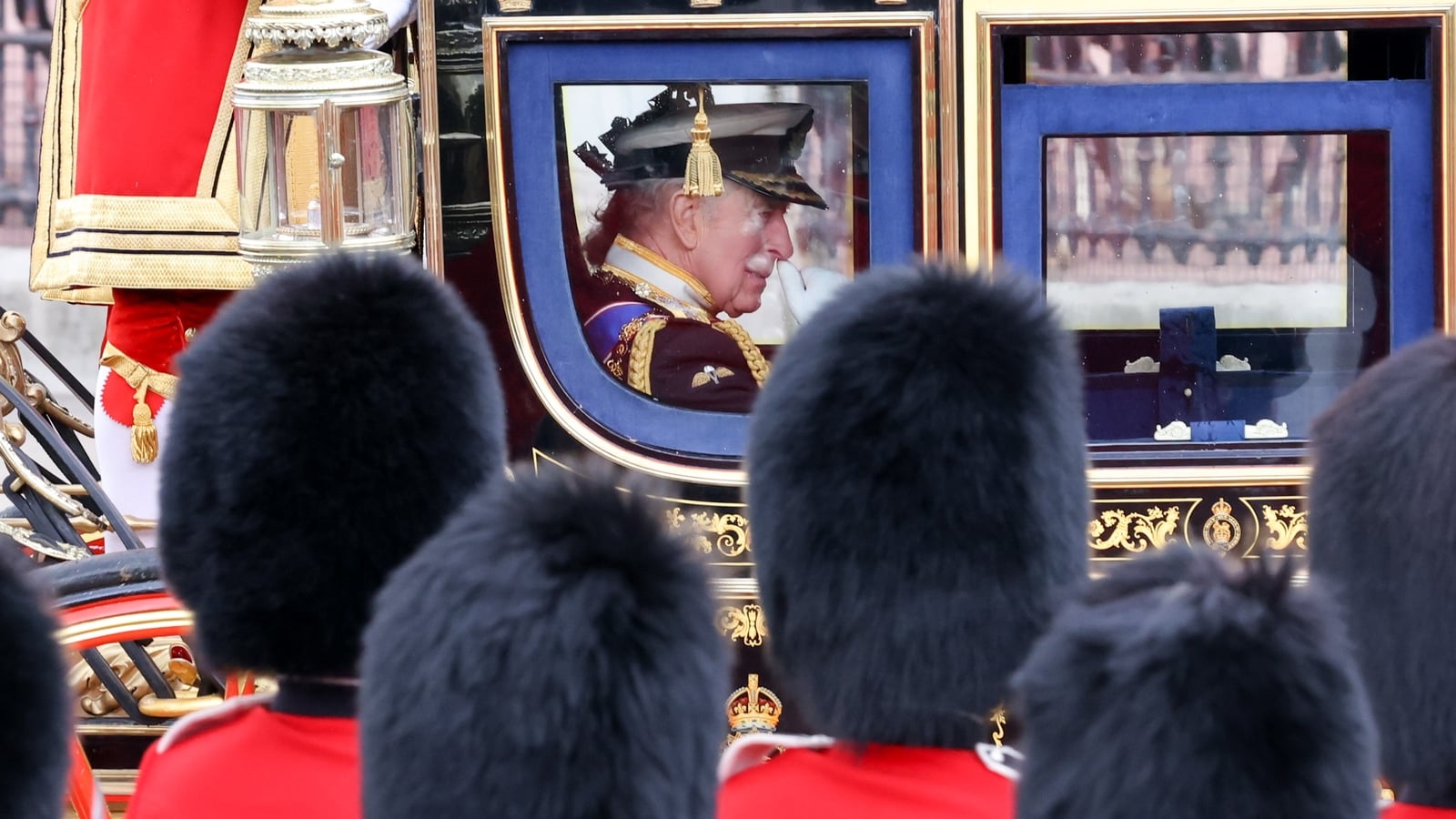
The British government’s fourfold increase in orders for bearskin caps for royal guards has ignited controversy, with animal rights activists accusing the administration of hypocrisy after the Labour Party pledged to deliver the “most ambitious animal welfare programme in a generation.” Data obtained under freedom of information laws reveals that orders for the iconic black fur hats—worn by the Queen’s Guards since the Battle of Waterloo—have surged from 22 in 2024 to 96 in 2025, costing taxpayers over £225,000. Critics argue the move contradicts the government’s stated commitment to phasing out fur imports and protecting wildlife.
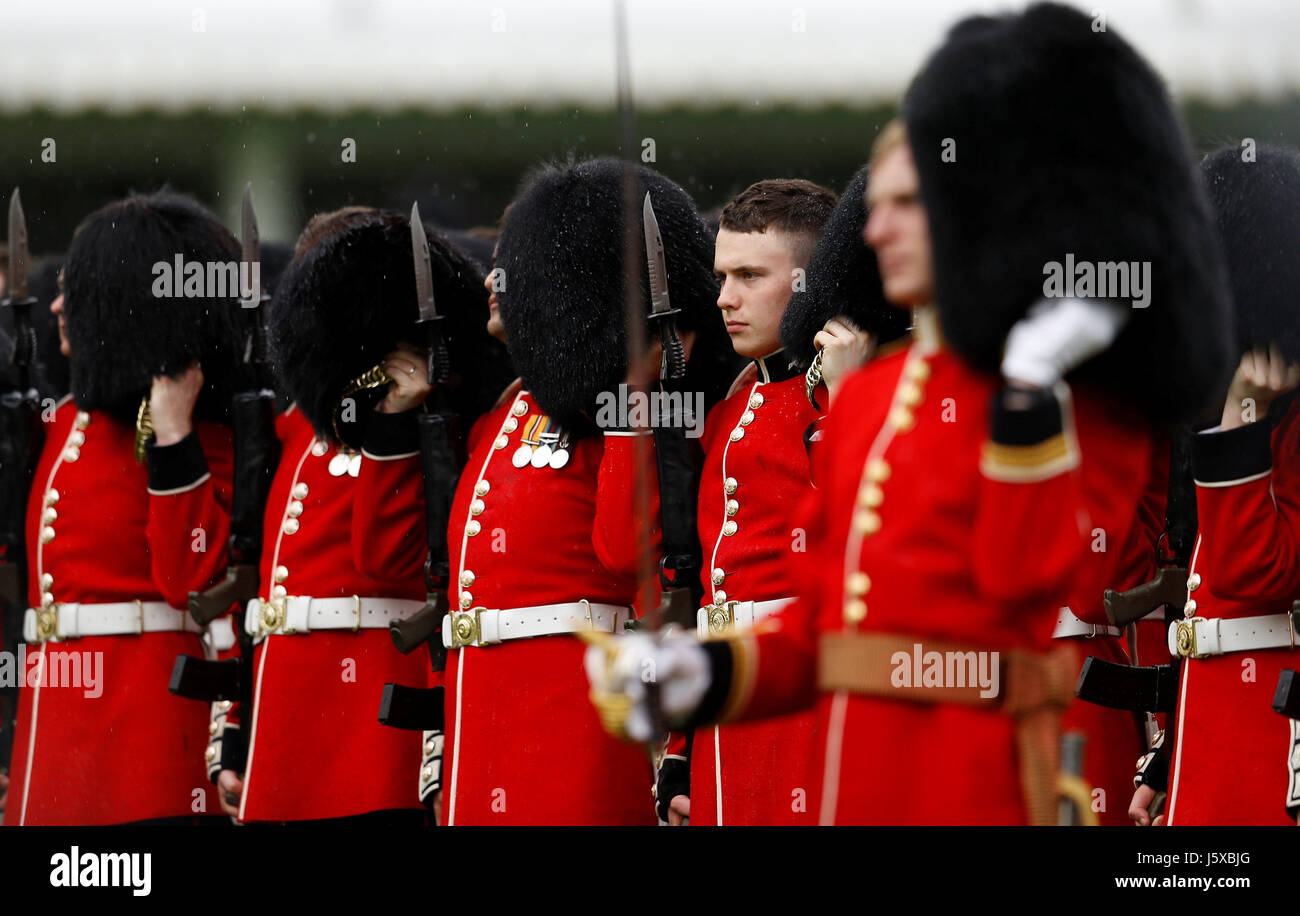
The caps, traditionally worn by regiments including the Grenadier Guards and Coldstream Guards, are made from the pelts of black bears, primarily sourced from Canada. While the Ministry of Defence (MoD) maintains the caps serve a ceremonial purpose, animal welfare groups point to the ethical and environmental concerns surrounding the trade. With modern faux fur alternatives widely available, the surge in orders has become a flashpoint in the debate over animal rights and public spending priorities.
This article examines the political, ethical, and practical dimensions of the controversy, including the historical significance of the caps, the economic and ecological impact of the fur trade, and the broader implications for the UK’s animal welfare policies.
—
What Happened: A Surge in Orders and Rising Costs
Freedom of information requests have exposed a dramatic escalation in the procurement of bearskin caps by the UK government. According to verified data, the number of caps ordered by the Ministry of Defence (MoD) increased from 22 in 2024 to 96 in 2025—a rise of over 300%. The total expenditure for these caps in 2025 reached approximately £225,000, reflecting an 8% increase in the per-unit cost compared to the previous year.
Key figures from the data:
- 2024 orders: 22 caps, costing around £208,000
- 2025 orders: 96 caps, costing over £225,000
- Cost per cap (2025): Nearly £2,350
- Regiments affected: Grenadier Guards, Coldstream Guards, Scots Guards, Irish Guards, and Welsh Guards
The caps, introduced in 1815 after the Battle of Waterloo, were designed to make soldiers appear taller and more intimidating. While their ceremonial role remains central to military tradition, the ethical implications of their production have come under increasing scrutiny.
The surge in orders coincides with the Labour government’s 2025 policy paper, which outlined plans for “the most ambitious animal welfare programme in a generation.” The document included commitments to ban fur imports—a pledge that now appears at odds with the MoD’s procurement decisions.
—
Who Is Involved: Stakeholders and Their Positions
1. People for the Ethical Treatment of Animals (PETA)
PETA, one of the world’s most prominent animal rights organizations, has led the charge against the bearskin cap orders. The group argues that each cap results in the death of a black bear and that the government’s continued use of taxpayer funds for such items is indefensible. Kate Werner, PETA’s senior campaigns manager, stated that the rise in orders “makes it indefensible that a government claiming to be the ‘party of animal welfare’ continues to use taxpayer money on these purely ornamental caps.”
PETA has called on Defence Minister Luke Pollard to instruct the MoD to transition to faux fur alternatives, citing the availability of high-quality synthetic materials that mimic the appearance and durability of real fur.
2. The Ministry of Defence (MoD) and Royal Guards
The MoD has not publicly commented on the controversy in detail, but officials have emphasized the ceremonial significance of the bearskin caps. The five regiments that wear them—the Grenadier Guards, Coldstream Guards, Scots Guards, Irish Guards, and Welsh Guards—maintain that the caps are a long-standing tradition tied to their identity and historical role. For these units, the caps are not merely accessories but symbols of regimental heritage.
However, the MoD’s position faces growing pressure. The financial cost—over £225,000 in a single year—raises questions about whether taxpayer funds are being spent wisely, especially in the context of broader defence budget constraints.
3. The Labour Government and Animal Welfare Policies
The Labour Party’s 2018 manifesto included a commitment to ban fur imports, a promise reiterated in their 2025 policy paper. The document highlighted the government’s intention to “deliver the most ambitious animal welfare programme in a generation,” including measures to protect wildlife and phase out cruel practices. The bearskin cap controversy threatens to undermine public trust in these commitments.
Defence Minister Luke Pollard, who oversees the MoD, now faces calls to reconcile the government’s animal welfare agenda with its procurement decisions. Pollard has not yet responded publicly to the PETA criticism, but the issue is likely to draw further attention as animal rights groups escalate their campaign.
4. The Fur Trade and Environmental Impact
The bearskin caps are primarily made from pelts sourced from Canada, where black bears are hunted for their fur. While Canada regulates bear hunting, animal welfare advocates argue that the trade contributes to ecological harm, including habitat destruction and the decline of bear populations in some regions.
Environmental groups have also highlighted the carbon footprint associated with transporting fur from Canada to the UK, as well as the ethical concerns surrounding the hunting methods used. The rise in cap orders could indirectly incentivize increased bear hunting, further straining conservation efforts.
—
Why It Matters: Ethical, Political, and Practical Implications
The Ethical Dilemma: Tradition vs. Animal Welfare
The bearskin cap controversy encapsulates a broader tension between tradition and ethics. For centuries, the caps have been a defining feature of the Queen’s Guards, symbolizing discipline, history, and regimental pride. However, in an era where animal rights are increasingly prioritized, the use of real fur—particularly from endangered or threatened species—has become a contentious issue.
Supporters of the caps argue that their ceremonial role justifies the continued use of real fur, while critics counter that modern technology has made high-quality faux fur indistinguishable from the real thing. The debate reflects a global shift in consumer and public attitudes toward animal products, with many countries imposing bans on fur sales or production.
Political Fallout: Trust in Animal Welfare Commitments
The Labour government’s handling of the bearskin cap issue could have significant political repercussions. The party’s 2018 pledge to ban fur imports was a key promise to animal rights advocates, and the surge in cap orders risks being perceived as a broken commitment. If the government does not address the controversy, it may face backlash from voters and activists who prioritize animal welfare.
PETA and other groups are likely to escalate their campaign, potentially targeting other areas where animal products are used in government or military contexts. The bearskin cap issue could become a litmus test for the government’s seriousness about its animal welfare agenda.
Economic and Environmental Considerations
From a financial standpoint, the £225,000 spent on bearskin caps in 2025 could be redirected to other defence priorities, such as equipment upgrades, training, or veterans’ support. The MoD’s budget is already under scrutiny, and the high cost per cap raises questions about value for money.
Environmentally, the fur trade has long been criticized for its ecological impact. Bear hunting can disrupt ecosystems, and the transportation of pelts contributes to carbon emissions. Transitioning to faux fur would not only address ethical concerns but also align with broader sustainability goals.
Public Perception and Cultural Shifts
The bearskin cap controversy is part of a larger cultural shift away from animal-derived products. Many consumers now avoid fur, leather, and other animal products due to ethical or environmental concerns. The UK government’s continued use of bearskin caps may be seen as out of step with these trends, particularly among younger voters who are more likely to support animal rights causes.
Military traditions are deeply ingrained, but public opinion can evolve. If the government fails to address the controversy, it risks alienating a growing segment of the population that prioritizes compassion and sustainability.
—
Reactions and Wider Impact: What Experts and the Public Are Saying
The bearskin cap controversy has sparked a wave of reactions from animal rights groups, politicians, and the public. While the MoD remains tight-lipped, external stakeholders are increasingly vocal about the need for change.
Animal Rights Groups Demand Immediate Action
PETA is not alone in criticizing the cap orders. Other animal welfare organizations, including the RSPCA and Humane Society International, have expressed concern about the government’s stance. These groups argue that the use of bearskin caps sends a mixed message about the UK’s commitment to animal protection.
“The bearskin cap is a relic of a bygone era, one that no longer aligns with modern values,” said a spokesperson for Humane Society International. “There is simply no justification for continuing this practice when better alternatives exist.”
Political Responses and Calls for Reform
While the Labour government has not yet commented in detail, opposition parties and some Labour MPs have begun to weigh in. The Conservative Party, which previously supported fur bans, has criticized the government’s inconsistency. “If Labour truly cares about animal welfare, they should act now and end this outdated practice,” said a Conservative spokesperson.
Some Labour MPs have also raised questions about the procurement process. “Taxpayers deserve transparency and accountability,” one MP noted. “If these caps are truly necessary, the government should explain why. If not, it’s time to move on.”
Public Opinion: A Divided but Evolving Perspective
Public opinion on the bearskin cap issue is mixed. While some members of the public support the tradition, polls suggest that younger generations are increasingly opposed to the use of animal products in ceremonial contexts. A recent survey indicated that over 60% of respondents under 35 believe the UK should phase out fur in all government and military uses.
The controversy has also sparked debates on social media, with hashtags like #EndBearskinCaps and #FauxFurForGuards trending. Many users have shared images of faux fur alternatives, demonstrating that the transition is both feasible and visually indistinguishable from real fur.
International Parallels: How Other Countries Handle Similar Issues
The UK is not alone in grappling with the ethical implications of traditional military uniforms. Several countries have already taken steps to replace animal-derived materials in ceremonial attire.
- Norway: In 2020, the Norwegian military announced plans to phase out fur in uniforms, citing animal welfare concerns.
- Canada: While Canada is a major exporter of fur, some provinces have imposed restrictions on fur farming and hunting practices.
- Australia: The Australian Defence Force has explored synthetic alternatives for traditional uniforms, including those with fur elements.
These examples suggest that the UK is not behind the curve but could risk falling behind if it fails to address the bearskin cap issue proactively.
—
What’s Next: Potential Outcomes and Future Developments
The bearskin cap controversy is far from resolved, and several potential outcomes could unfold in the coming months.
Possible Government Responses
The Labour government has three main options:
- Continue current procurement: If the MoD decides to maintain the status quo, the controversy is likely to persist, with animal rights groups escalating their campaigns and potentially targeting other areas of government spending on animal products.
- Transition to faux fur: A more likely scenario is that the government will explore synthetic alternatives, particularly if pressure from MPs, the public, and animal welfare groups intensifies. This would align with the government’s animal welfare agenda while preserving military tradition.
- Phase out the caps entirely: Some critics argue that the only ethical solution is to eliminate the bearskin caps altogether, replacing them with a new ceremonial headgear design. However, this would be a more disruptive and politically sensitive move.
Legal and Legislative Pathways
If the government does not act voluntarily, animal rights groups may pursue legal or legislative avenues. PETA, for example, has a history of taking legal action against institutions it believes are violating animal welfare standards. A court challenge could force the government to justify its procurement decisions, potentially leading to a ban on fur in military uniforms.
Parliament could introduce a motion to review the use of animal products in government and military contexts, putting further pressure on the MoD to act.
The Role of Public Pressure
Public opinion will play a crucial role in shaping the outcome. If animal rights groups successfully mobilize support—through petitions, protests, and media campaigns—the government may feel compelled to respond. Social media campaigns, in particular, have proven effective in recent years in pushing for policy changes on animal welfare issues.
Meanwhile, the military regiments that wear the bearskin caps may also face internal pressure to adapt. As younger recruits join the ranks, their expectations about animal welfare could influence future decisions.
—
Key Takeaways: Understanding the Broader Context
The bearskin cap controversy is more than a debate about headgear—it reflects deeper questions about tradition, ethics, and governance. Here are the most critical points to consider:
- The ethical dilemma: The use of bearskin caps raises fundamental questions about the value of animal life and the role of tradition in modern society.
- Political consistency: The Labour government’s animal welfare commitments are being tested, and its response could shape public trust in its policies.
- Feasibility of alternatives: High-quality faux fur is widely available, making the transition both practical and cost-effective.
- Public and environmental impact: The controversy highlights broader concerns about consumer behavior, ecological sustainability, and the ethical sourcing of materials.
- Global trends: The UK is not alone in facing this issue, and other countries have already taken steps to modernize their military uniforms.
The bearskin cap debate is a microcosm of larger societal shifts. As public expectations evolve, institutions—including governments and military organizations—will need to adapt or risk losing relevance.
—
Frequently Asked Questions
Why do the Queen’s Guards wear bearskin caps?
The bearskin caps were introduced in 1815 after the Battle of Waterloo to make soldiers appear taller and more intimidating. They became a symbol of regimental identity and have been worn by the Grenadier Guards, Coldstream Guards, Scots Guards, Irish Guards, and Welsh Guards ever since.
How many bears are killed for the caps each year?
Exact figures are difficult to determine, but each bearskin cap requires the pelt of one black bear. With 96 caps ordered in 2025, it is estimated that at least 96 bears were killed for this purpose. The fur is primarily sourced from Canada, where black bears are hunted for their pelts.
Are there alternatives to bearskin caps?
Yes. Modern faux fur technology has advanced significantly, and high-quality synthetic materials can closely mimic the appearance and texture of real fur. The MoD has not yet committed to a transition, but animal rights groups argue that faux fur is a practical and ethical solution.
Has the UK government banned fur imports?
The Labour Party pledged to ban fur imports in its 2018 manifesto and reiterated this commitment in its 2025 animal welfare policy paper. However, the bearskin cap orders suggest that this pledge has not yet been fully implemented, particularly in military contexts.
What is the cost of transitioning to faux fur?
While exact costs are not publicly available, industry experts suggest that faux fur caps would likely be comparable in price to bearskin caps, if not cheaper in the long run. The initial investment in new designs and materials would be offset by ongoing savings, as faux fur does not require the hunting and processing of animals.
Could the bearskin caps be phased out entirely?
It is possible, though politically sensitive. The caps hold deep historical and ceremonial significance for the regiments that wear them. A phased transition—such as gradually replacing bearskin caps with faux fur versions—would be a more feasible approach than an abrupt ban.
