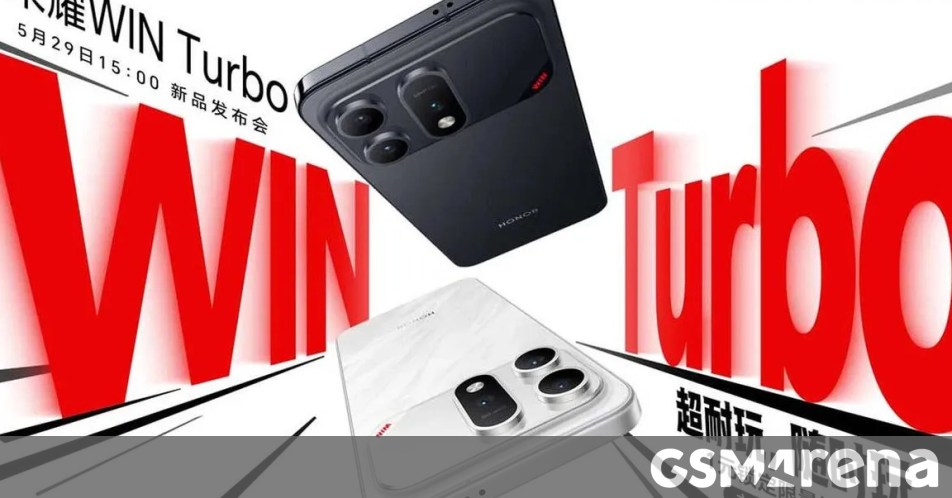
Honor Win Turbo unveiled with 10,000 mAh battery and durable chassis – GSMArena.com news – GSMArena.com
The landscape of mobile endurance has just undergone a seismic shift. In an era where most flagship manufacturers are fighting for marginal gains in power efficiency, the Honor Win Turbo unveiled with 10,000 mAh battery and durable chassis – GSMArena.com news – GSMArena.com represents a bold departure from industry norms. While the market has grown accustomed to 5,000 mAh cells as the gold standard for “all-day” battery life, Honor is attempting to redefine the baseline entirely, pushing the boundaries of energy density and structural engineering to deliver a device that promises multi-day longevity without the bulk of a traditional “rugged” phone.
This launch is not merely about a larger number on a spec sheet; it is a calculated strike at one of the most persistent pain points in modern consumer electronics: battery anxiety. By integrating a massive 10,000 mAh power cell into a chassis that remains remarkably thin, Honor is challenging the prevailing design philosophy of its global competitors, most notably Apple and Samsung, who have historically prioritized slim aesthetics over raw capacity.
The Engineering Marvel: Fitting 10,000 mAh in a Slim Profile
For years, the trade-off in smartphone design has been binary: you could have a sleek, pocketable device with moderate battery life, or a thick, heavy “power brick” designed for extreme environments. The Honor Win Turbo aims to collapse this dichotomy. The central question for industry analysts is how Honor managed to house a 10,000 mAh battery without creating a device that feels like a tablet in the pocket.
The secret likely lies in the adoption of next-generation battery chemistry. While traditional Lithium-ion (Li-ion) batteries have hit a plateau in terms of volumetric energy density, newer Silicon-Carbon (Si-C) anode technology allows for significantly more energy to be stored in a smaller physical footprint. By replacing graphite with silicon in the anode, manufacturers can increase capacity while reducing the overall size of the cell.
“The transition to silicon-carbon anodes is the ‘holy grail’ of current mobile engineering, allowing us to move past the physical limitations of graphite and finally deliver true multi-day battery life in a consumer-grade form factor.”
This leap in technology is what allows the Win Turbo to maintain a thin profile. When compared to the rumored specifications of upcoming competitors, such as the Apple iPhone 17 Pro, the disparity is staggering. Reports suggest the Win Turbo offers roughly 2.5 times the battery capacity of the iPhone 17 Pro, yet it manages to avoid the cumbersome thickness usually associated with such high-capacity cells.
Key Technical Breakthroughs in Power Management
- High-Density Cell Architecture: Utilization of stacked battery layers to maximize internal volume.
- Advanced Thermal Dissipation: To prevent a 10,000 mAh battery from overheating during rapid charging, the Win Turbo employs an expanded vapor chamber cooling system.
- AI-Driven Power Optimization: Software that learns user habits to throttle background processes, extending the 10,000 mAh capacity even further.
Durability Meets Aesthetics: The New Chassis Standard
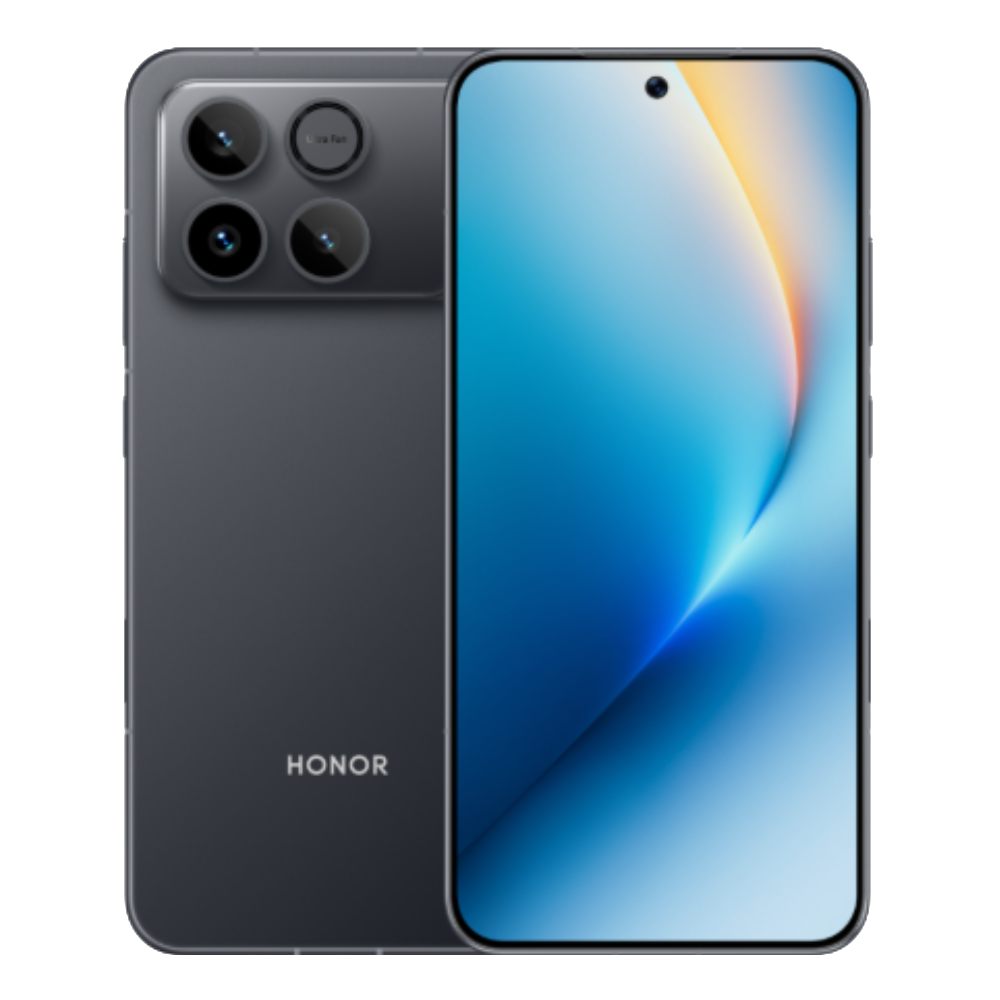
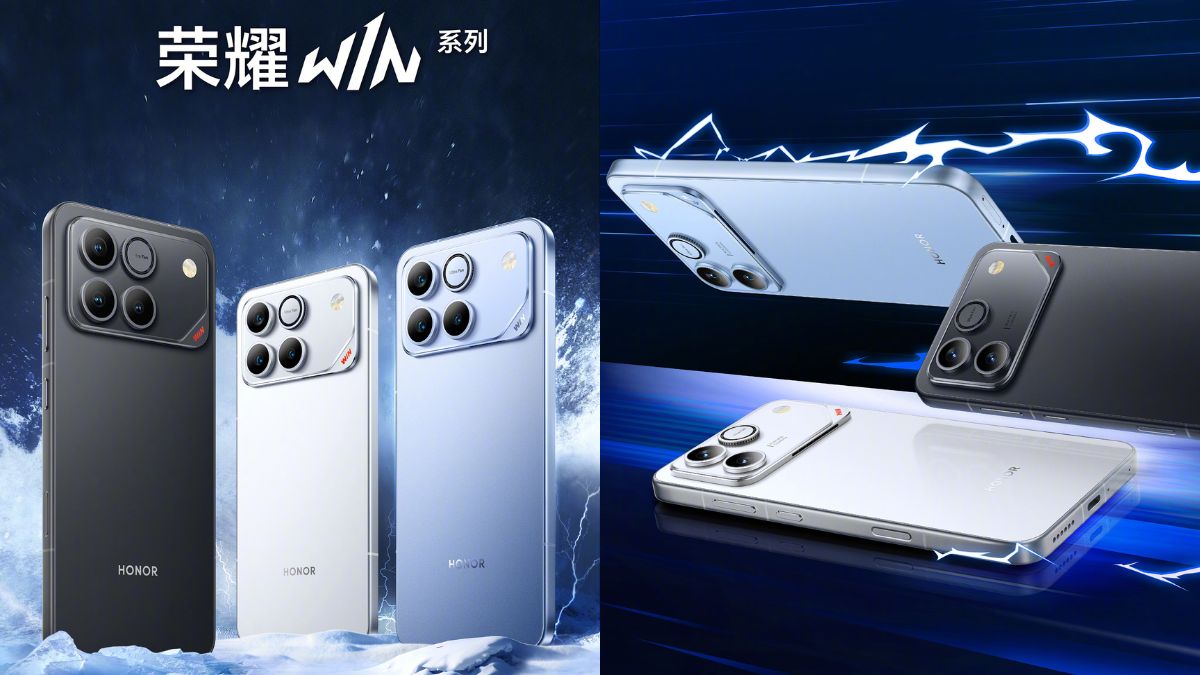
A battery of this magnitude requires more than just chemical innovation; it requires a structural framework capable of protecting the cell while remaining lightweight. The “durable chassis” mentioned in the unveiling refers to a hybrid material approach designed to withstand the rigors of daily use without adding unnecessary weight.
Typically, high-capacity phones are encased in thick plastic or rubberized armor. Honor has instead opted for a sophisticated blend of aerospace-grade alloys and reinforced glass. This ensures that the device is not only resistant to drops and impacts but also maintains the premium feel of a flagship device. The chassis is engineered to distribute pressure evenly across the battery surface, reducing the risk of deformation or puncture—a critical safety consideration for such a large energy reservoir.
the chassis is designed for thermal efficiency. Large batteries generate significant heat during discharge and recharge cycles. The Win Turbo’s frame acts as a passive heat sink, drawing warmth away from the internal components and dispersing it across the surface of the device, ensuring that the processor doesn’t throttle during intensive tasks like gaming or 4K video recording.
| Feature | Standard Flagship (Avg) | Honor Win Turbo |
|---|---|---|
| Battery Capacity | 4,500 – 5,000 mAh | 10,000 mAh |
| Battery Chemistry | Lithium-Cobalt Oxide | Silicon-Carbon (Si-C) |
| Chassis Focus | Slimness/Weight | Durability/Density |
| Estimated Endurance | 1 – 1.5 Days | 3 – 5 Days |
Market Positioning: Who is the Honor Win Turbo For?
The Honor Win Turbo is not designed for the average user who spends their day near a power outlet. Instead, it targets specific “power user” segments where battery life is a non-negotiable requirement. By analyzing the current market, we can identify three primary demographics this device is aimed at:
1. The Digital Nomad and Frequent Traveler
For those who spend long hours in transit, in airports, or working from remote locations, the Win Turbo eliminates the need for bulky power banks. The ability to go three or four days on a single charge transforms the device from a communication tool into a reliable survival kit for the modern traveler.
2. Content Creators and Mobile Gamers
High-refresh-rate screens and GPU-intensive games are notorious battery drains. A 10,000 mAh cell allows gamers to engage in extended sessions without the fear of a sudden shutdown. Similarly, mobile journalists and vloggers who rely on their phones for recording, editing, and uploading can operate for hours on end without tethering themselves to a wall.
3. Field Professionals and Remote Workers
Engineers, site managers, and healthcare workers who operate in environments where charging ports are scarce will find the Win Turbo indispensable. The combination of a durable chassis and massive battery makes it a viable alternative to specialized rugged phones, providing flagship performance in a package that can survive a construction site or a hospital ward.
The Competitive Ripple Effect: Honor vs. The World
The unveiling of the Win Turbo sends a clear signal to the rest of the smartphone industry. For years, the “Apple way” has been to optimize software to make a smaller battery last longer. While efficient, this approach has a ceiling. Honor is arguing that the only real solution to battery anxiety is more energy.
The comparison to the iPhone 17 Pro is particularly poignant. If Honor can successfully market a device that is thinner (or comparable in thickness) while offering 2.5 times the capacity, it exposes a vulnerability in the strategy of Western tech giants. It forces a conversation about whether the industry has been too conservative with battery sizes in the pursuit of “thinness” as a status symbol.
However, this aggressive approach comes with challenges. A 10,000 mAh battery, regardless of chemistry, adds mass. While the Win Turbo may be “thin,” it will likely be heavier than a standard iPhone or Galaxy S-series device. The success of the Win Turbo will depend on whether consumers are willing to trade a few extra grams of weight for the freedom of a four-day battery life.
charging speeds will be the next battleground. Charging a 10,000 mAh battery with standard 20W or 30W chargers would take an eternity. To make this device practical, Honor must pair it with ultra-fast charging technology—likely in the 66W to 100W range—to ensure that “refueling” the device doesn’t take the entire day.
Common Misconceptions About High-Capacity Batteries
As the Honor Win Turbo enters the conversation, several myths regarding large batteries often surface. It is important to clarify these points for the average consumer:
- Myth: “Large batteries make phones bulky.”
Reality: As seen with the Win Turbo, advances in Silicon-Carbon anodes allow for higher energy density, meaning more power can fit into the same volume. - Myth: “Huge batteries are dangerous.”
Reality: Battery safety is determined by the quality of the cells and the management system (BMS), not the capacity. A well-engineered 10,000 mAh battery is just as safe as a 5,000 mAh one. - Myth: “They take too long to charge.”
Reality: While they hold more energy, modern fast-charging protocols (GaN chargers and high-wattage pumps) can fill these cells in a fraction of the time it took five years ago.
For those interested in how this fits into the broader trend of mobile hardware, you might find a related explainer on silicon-carbon battery technology useful to understand the chemistry behind this leap.
The Broader Industry Context: The End of the Daily Charge?
The Honor Win Turbo is more than just a product launch; it is a case study in the evolution of the smartphone. We are currently exiting the “Spec War” era—where CPU clock speeds and camera megapixels were the primary metrics—and entering the “Utility Era.” In this new phase, the most valuable feature is not what the phone can do, but how long it can do it without interruption.
The integration of a durable chassis further suggests that Honor is moving toward a “lifestyle tool” philosophy. They are recognizing that the phone is no longer just a communication device but a primary workstation, a gaming console, and a navigation system. All these functions are energy-hungry. By providing a 10,000 mAh reservoir, Honor is effectively removing the “leash” that ties users to their charging cables.
If the Win Turbo gains significant market traction, we can expect a ripple effect across the industry. We may see Samsung and Apple forced to move away from their conservative battery estimates and embrace new chemistries to remain competitive. The “battery war” is no longer about who has the most efficient chip, but who can pack the most energy into the palm of a hand.
Frequently Asked Questions
Will the Honor Win Turbo be significantly heavier than other phones?
While Honor has optimized the chassis for thinness, a 10,000 mAh battery inherently contains more material than a 5,000 mAh one. Users should expect a slight increase in weight, though the use of aerospace alloys in the chassis helps mitigate this.
How long does a 10,000 mAh battery actually last?
Depending on usage patterns, a 10,000 mAh battery can typically provide between 3 to 5 days of moderate use. For heavy users (gaming and 5G streaming), it could easily double the endurance of a standard flagship, lasting 2 full days of intense activity.
Does the durable chassis make it a “rugged” phone?
Not exactly. While the chassis is designed for high durability and impact resistance, the Win Turbo is positioned as a premium flagship rather than a niche rugged device. It offers a balance of elegance and toughness, whereas rugged phones often sacrifice aesthetics for extreme protection.
How fast can the Honor Win Turbo be charged?
To support such a massive capacity, the device is expected to feature high-wattage fast charging. While exact numbers vary by region, it is designed to minimize downtime, ensuring that the 10,000 mAh cell can be topped up quickly.
Is the Silicon-Carbon battery technology safe?
Yes. Silicon-carbon anodes are a recognized evolution of lithium-ion technology. When paired with a professional Battery Management System (BMS) and a durable chassis to prevent physical damage, they are entirely safe for consumer use.
As the Honor Win Turbo makes its way into the hands of consumers, the industry will be watching closely. The success of this device will determine if the future of smartphones is one of extreme optimization or extreme capacity. For now, the message is clear: the era of the daily charge may finally be coming to an end, replaced by a new standard of mobile independence and structural resilience.
