
Report shows one way former Prince Andrew was making money – CTV News
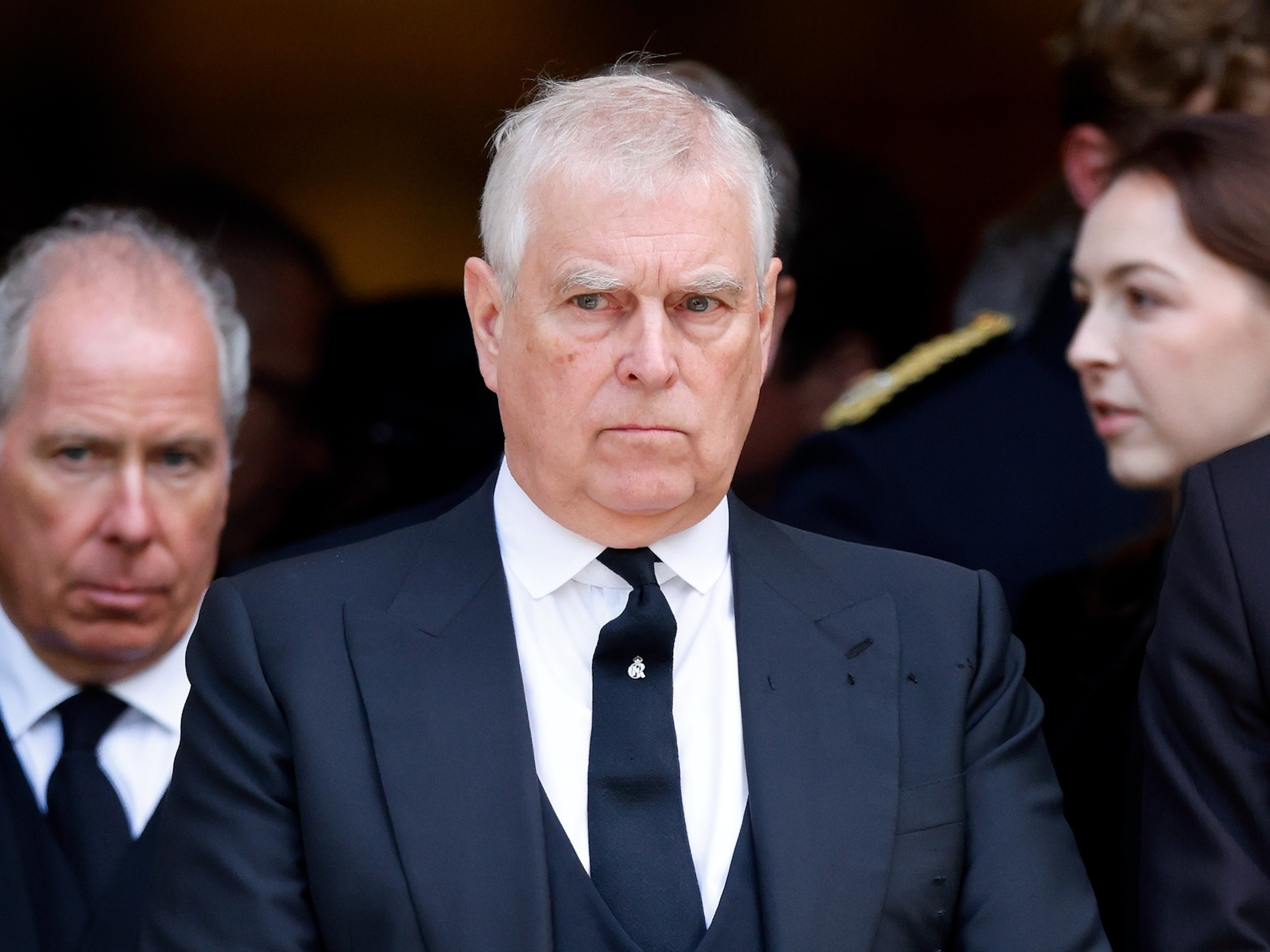
A revealing report has brought to light the specific financial mechanisms used by Andrew Mountbatten-Windsor to generate personal income through the use of royal properties. According to findings released by a watchdog, the former prince engaged in the subletting of residential cottages located on the Royal Lodge estate, an arrangement that allowed him to collect rental income while paying a nominal fee to the Crown Estate.
The disclosure that a report shows one way former Prince Andrew was making money – CTV News highlights a controversial intersection of royal privilege and private enterprise. By utilizing properties on an estate where he resided, Mountbatten-Windsor was able to leverage state-managed assets for personal financial gain, raising significant questions regarding the oversight of royal residences and the ethics of “peppercorn rent” agreements.
The Mechanics of the Royal Lodge Subletting Arrangement
At the center of the controversy are three specific cottages situated within the grounds of the Royal Lodge estate. The report indicates that Andrew Mountbatten-Windsor did not merely occupy these spaces but actively sublet them to third parties. This created a secondary stream of income that remained largely shielded from public view until the recent watchdog intervention.
The financial advantage of this arrangement was rooted in the disparity between what the former prince paid for the land and what he charged his tenants. While the subletters paid market-rate or negotiated rents to Mountbatten-Windsor, he himself was paying what is known in legal and real estate terms as “peppercorn rent” to the Crown Estate.
Understanding “Peppercorn Rent”
To understand the scale of the financial benefit, it is necessary to define the term “peppercorn rent.” In legal contexts, a peppercorn rent is a nominal rental payment—often a symbolic amount such as a single peppercorn, a pound, or a very small annual sum—that is used to satisfy the legal requirement for a contract to have “consideration.”
- Legal Purpose: It ensures that a lease is legally binding without requiring a significant financial transaction.
- Economic Reality: For the tenant, it is effectively rent-free living or usage.
- Profit Potential: When a tenant paying peppercorn rent is permitted to sublet the property at market rates, the difference represents a pure profit margin.
In this instance, the report emphasizes that Mountbatten-Windsor was essentially living rent-free or at a negligible cost while simultaneously acting as a landlord for three separate properties on the estate.
The Role of the Crown Estate and Oversight
The Crown Estate is the independent commercial business that manages a vast portfolio of land and holdings. While it is not the private property of the monarch, its revenues are traditionally surrendered to the Treasury, with the monarch receiving a percentage known as the Sovereign Grant. The revelation that royal properties were being sublet for private profit suggests a potential gap in the monitoring of how these assets are utilized.
The discovery that three cottages were sublet while the primary occupant paid only a nominal fee highlights a significant discrepancy between the management of royal assets and standard commercial real estate practices.
The watchdog that uncovered these details has pointed toward a lack of transparency in how “peppercorn” agreements are granted and whether such agreements should include clauses that prohibit subletting for profit. The core issue is not merely the act of renting out a room, but the use of a privileged, low-cost lease to generate private wealth from a public-facing estate.
| Feature | Standard Rental Model | Mountbatten-Windsor Model |
|---|---|---|
| Rent Paid to Owner | Market Rate | Peppercorn (Nominal) |
| Right to Sublet | Often Restricted/Requires Approval | Practiced across three cottages |
| Income Destination | Property Owner/Crown Estate | Private Account of Former Prince |
| Oversight Level | High (Commercial Lease) | Low (Watchdog revealed via report) |
Why This Financial Disclosure Matters
The fact that a report shows one way former Prince Andrew was making money – CTV News is more than a simple accounting detail; it carries broader implications for the public’s perception of the monarchy and the fairness of royal prerogatives. The controversy can be broken down into three primary dimensions: ethical, financial, and political.
Ethical Implications of Private Gain from Public Assets
The Royal Lodge is viewed by many as a symbol of state-supported luxury. When an individual occupies such a space under preferential terms, there is an implicit expectation that the arrangement is for the purpose of royal duties or residential stability, not as a vehicle for commercial entrepreneurship. The act of subletting three cottages suggests a transition from “residential privilege” to “commercial exploitation.”
Financial Disparity and Market Distortion
In a tightening housing market, the idea of an individual securing rent-free access to multiple properties and then charging others to live in them is seen as an extreme example of wealth disparity. The “peppercorn” arrangement effectively subsidized the former prince’s income, removing the overhead costs that any other landlord would have to navigate, such as mortgage payments or fair-market ground rents.
Political Pressure for Transparency
This report arrives at a time of increased scrutiny regarding the funding of the royal family. With ongoing debates about the Sovereign Grant and the cost of royal security, the revelation of “hidden” income streams generated through crown properties adds fuel to the demand for a more transparent auditing process. It raises the question: how many other such arrangements exist within the vast holdings of the Crown Estate?
Timeline of Revelations and Context
While the specific details of the three cottages have recently come to light, the context surrounding Andrew Mountbatten-Windsor’s financial standing has been a subject of public interest for several years. The transition from an active royal role to a “former” status has necessitated a shift in how he sustains his lifestyle.
- The Initial Arrangement: The former prince was granted residence at Royal Lodge, with the Crown Estate providing the land under highly favorable terms.
- The Subletting Phase: Over an undisclosed period, three cottages on the estate were occupied by tenants who paid rent directly to Mountbatten-Windsor.
- The Watchdog Investigation: A monitoring body reviewed the usage of estate properties and identified the discrepancy between the peppercorn rent paid and the subletting income received.
- Public Disclosure: The report was released, sparking international headlines and discussions on the propriety of the arrangement.
For those seeking a deeper understanding of how royal finances are structured, a related explainer on the Sovereign Grant may provide necessary context on how the state funds the monarchy’s official duties versus private holdings.
Common Misconceptions Regarding Royal Property
There is often a misunderstanding regarding who “owns” the land where royal residences are located. Many assume that the monarch owns everything personally, but the reality is more complex.
Misconception: The Royal Lodge is a private home
While it functions as a residence, the land is often managed by the Crown Estate. This means that the “owner” is essentially a corporate entity designed to manage the land for the benefit of the nation, making the use of that land for private profit a matter of public interest rather than a private family matter.
Misconception: “Peppercorn rent” is a standard royal perk
While preferential treatment is common within the royal family, the ability to sublet those preferential arrangements for cash is not a standard or widely accepted practice. Most royal leases contain strict stipulations against commercializing the property without explicit permission from the managing body.
The Broader Impact on the Monarchy’s Image
The narrative that a report shows one way former Prince Andrew was making money – CTV News contributes to a growing trend of “de-mystifying” the royal family’s financial dealings. In previous eras, such arrangements would have remained behind closed doors. However, the modern era of accountability—driven by watchdogs and investigative journalism—means that every “peppercorn” is now under the microscope.
The impact is twofold. First, it isolates the actions of Andrew Mountbatten-Windsor from the rest of the royal family, framing him as an outlier who exploited a system designed for stability. Second, it puts pressure on the Crown Estate to modernize its leasing agreements to ensure that no future residents can engage in similar profit-making schemes.
Industry analysts suggest that the “Royal Lodge model” of income generation is unlikely to be repeated. The reputational risk far outweighs the financial gain of a few sublet cottages. For the monarchy, the priority is now “slimming down” and increasing transparency to maintain public support.
Frequently Asked Questions
What exactly is “peppercorn rent”?
Peppercorn rent is a legal term for a nominal or symbolic payment (such as one peppercorn or a very small sum of money) made to satisfy the requirements of a lease agreement. It means the tenant is effectively living or operating on the land for free, while the lease remains legally valid.
How many properties did the former prince sublet?
According to the watchdog report, Andrew Mountbatten-Windsor sublet three cottages located on the Royal Lodge estate.
Who is the Crown Estate?
The Crown Estate is an independent commercial business that manages a portfolio of land, forests, and buildings. It is not the private property of the King, but it manages assets that provide income for the government and support the monarchy.
Was this subletting legal?
The report highlights the arrangement as a point of contention. While the act of subletting may have occurred without immediate legal challenge, the watchdog reveals it as a problematic use of a privileged lease, suggesting it contradicts the spirit of the “peppercorn” agreement.
Why is this news now?
The information was brought to light by a watchdog report specifically designed to monitor the use of royal assets and ensure accountability. This transparency is part of a larger movement to clarify how royal properties are used and funded.
As the scrutiny of royal finances continues, the case of the Royal Lodge cottages serves as a primary example of the tension between traditional royal privileges and modern expectations of financial transparency. The revelation that a report shows one way former Prince Andrew was making money – CTV News underscores the end of an era where such arrangements could exist without public oversight. Future adjustments to the Crown Estate’s policies will likely focus on closing these loopholes to ensure that royal residences are used for their intended purposes rather than as private revenue streams.
