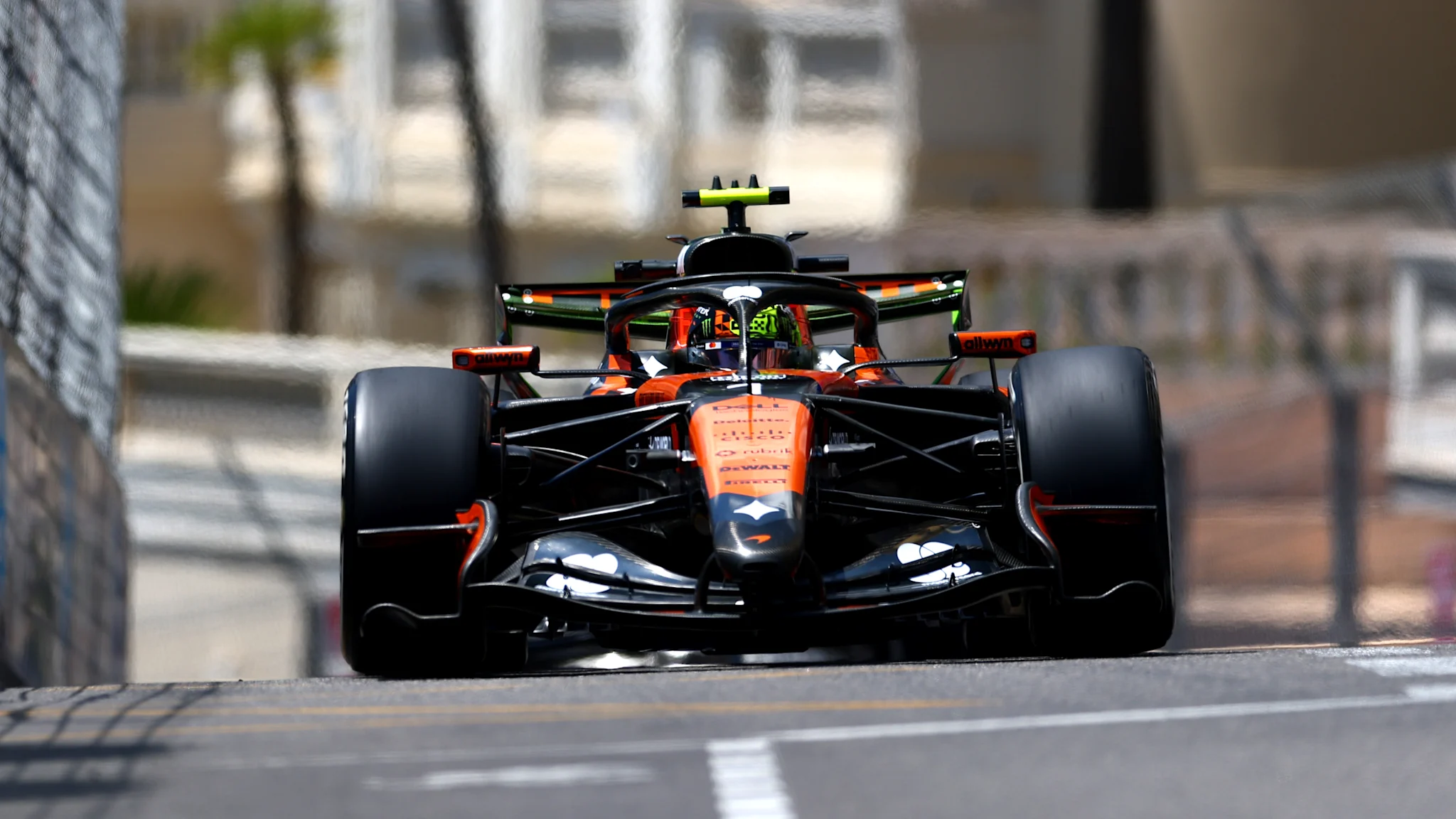
What upgrades have each F1 team brought to the Monaco GP? – Formula 1
The Monaco Grand Prix remains the ultimate paradox of the Formula 1 calendar. It is a race where prestige outweighs the probability of overtaking and where the slightest technical miscalculation can render a car undrivable on the narrowest streets in the world. As teams descend upon the Principality, the central question for fans and analysts alike is: What upgrades have each F1 team brought to the Monaco GP? – Formula 1 engineering at this venue is not about peak top speed, but about the surgical application of downforce and the optimization of mechanical grip.
Unlike the high-speed sweeps of Silverstone or the long straights of Monza, Monaco demands a specialized aerodynamic philosophy. The focus shifts from reducing drag to maximizing “stick”—the ability of the car to cling to the asphalt through the Fairmont Hairpin and the tight sequence of the swimming pool section. This year, the technical battle is twofold: teams are refining their current-generation ground-effect cars while simultaneously eyeing the massive regulatory shift coming in 2026, which promises to redefine how these cars behave on street circuits.
The Aerodynamic Strategy: Unique Rear Wing Configurations
One of the most visible technical pivots for the Monaco Grand Prix is the deployment of specialized aerodynamic components. While teams typically strive for a consistent aero package across similar track profiles, Monaco is an outlier. Reports indicate that F1 teams have fitted unique rear wings specifically tailored for this event.
In most racing environments, engineers seek a balance between downforce (which pushes the car into the track for better cornering) and drag (the air resistance that slows the car on straights). In Monaco, the straights are so short that the penalty for high drag is negligible. Teams are running the most aggressive, high-angle rear wing configurations permissible under the regulations.
Maximizing Low-Speed Downforce
The goal of these unique wing setups is to maximize the vertical load on the rear axle. This provides the drivers with the confidence to attack the apexes of tight corners without the rear end stepping out. The technical challenge lies in ensuring that this massive increase in downforce does not create an unstable aero balance, which could lead to unpredictable handling over the bumps and manhole covers inherent to the Monte Carlo streets.
- High-Angle Flaps: Steeper angles on the rear wing elements to force more air upward, increasing downward pressure.
- Endplate Optimization: Refined endplates to manage the wake of the car and improve stability in the turbulent air of the narrow corridors.
- Front Wing Adjustments: To counter the massive rear downforce, front wing flaps are adjusted to maintain a neutral balance, preventing extreme understeer in the slow-speed sections.
The technical objective in Monaco is simple yet grueling: sacrifice every kilometer of top-end speed for a fraction of a second in the corners.
The 2026 Horizon: ‘Yo-Yo Racing’ and the Future of Overtaking
While current upgrades are the priority for the immediate weekend, the paddock is buzzing with discussions regarding the 2026 technical regulations. A recurring theme in recent analysis is the concept of “yo-yo racing,” a term describing the potential for more dynamic positioning and overtaking due to the new power unit and aerodynamic specifications.
Overtaking in Monaco is historically a rarity, often requiring a significant performance delta or a strategic blunder from the lead car. However, the 2026 regulations are designed to change the energy deployment profiles of the cars. The “yo-yo” effect refers to the way cars may accelerate and decelerate in relation to one another based on the energy recovery systems (ERS) and the new power unit balance.
Will Overtaking Become More Likely?
The narrowness of the Monaco circuit is a physical constraint that no amount of engineering can fully erase. However, if the 2026 cars exhibit different power delivery characteristics—specifically a more volatile energy deployment cycle—it could create “windows” of opportunity. If a following car can maintain a higher energy state while the leading car is in a recovery phase, the resulting speed differential could make daring maneuvers more viable, even on F1’s most restrictive track.
| Feature | Current Era (Ground Effect) | 2026 Regulations (Predicted) |
|---|---|---|
| Aero Focus | Underfloor suction & high-downforce wings | Active aerodynamics & drag reduction |
| Power Delivery | Consistent hybrid deployment | Dynamic “yo-yo” energy cycles |
| Monaco Suitability | High stability, difficult to pass | Potentially higher agility, altered passing dynamics |
Driver Perspectives: Why 2026 Cars May ‘Flourish’ on Street Circuits
It is not just the engineers who are optimistic about the future of street racing. Drivers, including Charles Leclerc and emerging talents like Kimi Antonelli, have suggested that the 2026 machinery may be better suited for the constraints of street circuits than the current generation of “heavy” ground-effect cars.
The current cars are exceptionally long and wide, making them feel cumbersome in the tight confines of Monaco. They rely heavily on a stable platform to keep the underfloor aerodynamics working. When a car hits a bump or clips a curb, the floor can “stall,” leading to a sudden loss of grip.
The Shift Toward Agility
The 2026 cars are expected to be smaller, lighter, and more nimble. For a driver, this means:
- Reduced Inertia: A lighter car changes direction more quickly, which is critical for the rapid-fire turns of the Monaco harbor.
- Improved Responsiveness: Smaller dimensions allow for better placement of the car on the track, reducing the risk of wall contact.
- Active Aero: The introduction of active aerodynamic elements could allow drivers to switch between high-downforce settings for corners and low-drag settings for the short bursts of acceleration, optimizing performance in real-time.
For a local hero like Charles Leclerc, whose relationship with the Monaco circuit has been famously fraught with tension and heartbreak, the prospect of a more agile car is a significant development. The ability to “dance” through the streets rather than “muscle” a heavy machine through them could fundamentally change the qualifying and racing dynamics.
The Engineering Trade-offs of the Monaco GP
To understand what upgrades have each F1 team brought to the Monaco GP? – Formula 1, one must understand the specific trade-offs involved. Engineering a car for Monaco is an exercise in compromise.
Mechanical Grip vs. Aerodynamic Load
While the unique rear wings provide the necessary downforce, they cannot solve everything. Mechanical grip—provided by the suspension and tires—is equally vital. Teams often bring softer suspension setups to Monaco to allow the car to absorb the bumps of the street surface without unsettling the chassis.
If the suspension is too stiff, the car will bounce over the irregularities of the road, causing the aerodynamic floor to lose its seal with the ground. This creates a vicious cycle where the car loses downforce exactly when the driver needs it most. The “upgrades” for Monaco are often invisible, occurring within the dampers and spring rates of the suspension system.
Tire Management on Low-Grip Surfaces
Monaco’s asphalt is notoriously “green” (low grip) at the start of the weekend, gradually “rubbering in” as more cars drive over it. Teams must calibrate their upgrades to work across this evolving surface. A wing that provides too much load might overheat the rear tires during the slow, grinding turns, leading to a performance drop-off in the closing laps of the race.
For more on how teams manage this balance, you might find a related explainer on F1 tire compounds useful.
Common Misconceptions About Monaco Upgrades
There is a common belief among casual observers that teams bring “special” parts to Monaco that are completely different from the rest of the season. In reality, the upgrades are usually evolutions of existing concepts rather than entirely new inventions.
The “Special Part” Myth
Teams cannot simply invent a new car for one race. They are limited by the cost cap and the homologation rules. What are often described as “unique” parts are actually specific configurations of modular components. For example, the rear wing is a system of interchangeable flaps and endplates. The “upgrade” is the specific combination of these parts chosen for the Monaco profile.
The Overtaking Fallacy
Many assume that better upgrades lead to more overtaking. In Monaco, the opposite is often true. The more “perfect” the upgrades are, the more the lead car is able to “park” their car in the middle of the track, making it mathematically impossible for the car behind to pass, regardless of how much faster they might be in a straight line.
Key Technical Takeaways for the Weekend
- Maximum Downforce: Expect to see the “steepest” rear wings of the season, prioritizing cornering stability over straight-line speed.
- Suspension Softening: Invisible upgrades to damping and spring rates to handle the bumpy street surface.
- 2026 Speculation: The shift toward lighter, more agile cars and “yo-yo” energy deployment is expected to make street circuits more dynamic.
- Driver Confidence: Upgrades are focused on providing a stable, predictable platform to allow drivers to graze the walls with millimeter precision.
Frequently Asked Questions
Why do F1 teams use different wings for the Monaco GP?
Monaco has very few long straights, meaning aerodynamic drag is not a major concern. Teams use high-angle, unique rear wings to generate maximum downforce, which helps the cars navigate the tight, low-speed corners with more stability and grip.
What is “yo-yo racing” in the context of F1 2026?
“Yo-yo racing” refers to the anticipated effect of the 2026 power unit regulations, where energy deployment and recovery cycles may create fluctuating speed differentials between cars. This could potentially make overtaking more frequent, even on narrow tracks like Monaco.
Do teams bring new floor upgrades to Monaco?
While teams may bring minor refinements, major floor upgrades are risky in Monaco. Because the track is so bumpy, a new floor design that is too sensitive to ride height could cause the car to become unstable, making the driver lose confidence in the car’s grip.
Why are drivers like Charles Leclerc optimistic about the 2026 cars?
The 2026 regulations aim to produce cars that are smaller, lighter, and more agile. Current ground-effect cars are quite large and heavy, which makes them cumbersome on street circuits. A more nimble car would be easier to place and more responsive in tight corners.
How does the cost cap affect Monaco-specific upgrades?
The cost cap prevents teams from developing entirely separate cars for different tracks. Instead, they develop modular systems—such as interchangeable wing elements—that can be configured differently depending on the circuit’s requirements.
