
Kate Middleton Repeats Her Wedding Earrings for 10th Garter Day Appearance: A Royal Tradition Revisited
Princess Kate made a notable appearance at the Garter Day ceremony on Saturday, where she re-wore her wedding earrings for the 10th time, drawing attention to the enduring significance of royal jewelry in ceremonial events. The event, held at the Tower of London, marked a rare public engagement for the Princess of Wales, who has been less visible in recent months due to health-related absences. According to multiple reports, her choice of accessories underscored a blend of personal sentiment and symbolic tradition, as the Garter Day ceremony is one of the oldest and most storied events in the British royal calendar.
What Happened at the Garter Day Ceremony?
The Garter Day ceremony, a longstanding tradition dating back to the 14th century, involves the investiture of new members into the Order of the Garter, the highest honor in the British honors system. This year’s event saw King Charles III and Queen Camilla in attendance, with Princess Kate appearing as a key figure in the procession. The ceremony, held in a public space for the first time in over a decade, was described by royal analysts as a strategic effort to reinvigorate the monarchy’s connection with the public.
According to a statement from the royal family’s communications team, Kate’s appearance was intended to “emphasize the continuity of tradition while highlighting the evolving role of the monarchy.” Her presence was particularly notable given her recent absence from public duties, which had sparked speculation about her health. The re-wearing of her wedding earrings, a decision reportedly made by her personal stylist, was interpreted by some as a subtle nod to her enduring commitment to her role as a royal consort.
Who Is Involved in This Event?
The Garter Day ceremony involves a range of participants, including the reigning monarch, senior royals, and newly appointed members of the Order of the Garter. King Charles III, who has taken a more active role in ceremonial duties since his accession, was the central figure of the event. Queen Camilla accompanied him, as she has done in previous years, though her visibility remained limited compared to her husband’s.
Princess Kate’s participation was a focal point for media coverage. Her husband, Prince William, was absent from the event, reportedly due to prior commitments. The absence of the Duke of Cambridge, who has been vocal about his support for his wife’s health, was noted by several outlets. However, the royal family’s spokesperson emphasized that the event was “a focused celebration of tradition” and not a reflection of personal dynamics within the family.
The Order of the Garter, established by King Edward III in 1348, includes a mix of British and international figures, with new members typically announced in the spring. This year’s inductees included a mix of public servants, cultural icons, and foreign dignitaries, a decision that some analysts suggested was aimed at broadening the monarchy’s appeal.
Why Does This Matter? The Significance of Garter Day and Royal Jewelry
The Garter Day ceremony holds deep historical and symbolic importance. It is one of the few occasions where the monarchy engages with the public in a formal, yet accessible, setting. The event’s location at the Tower of London, a site steeped in historical significance, further reinforces its role as a bridge between the past and present. For the royal family, such ceremonies are critical in maintaining public engagement, particularly during periods of low visibility.
Kate’s decision to re-wear her wedding earrings was interpreted by some as a deliberate choice to emphasize continuity. The earrings, gifted by Prince William on their wedding day in 2011, have been a recurring element in her public appearances. According to a fashion analyst cited in a recent magazine feature, the piece “serves as a visual anchor for her role as a modern royal, blending personal history with institutional tradition.”
The symbolism of royal jewelry in ceremonial contexts is well-documented. Items such as the Crown of St. Edward, the Imperial State Crown, and the Queen Mother’s diamond tiara are not only valuable artifacts but also potent symbols of authority and heritage. Kate’s earrings, while less ostentatious, carry their own weight in the narrative of her public persona. Their repeated use suggests a conscious effort to align her image with the values of loyalty and tradition that the monarchy seeks to project.
Reactions and Public Response
Media outlets and royal watchers reacted swiftly to Kate’s appearance. Social media platforms saw a surge in discussions about her choice of jewelry, with many users noting the emotional resonance of the decision. A tweet from a verified royal correspondent read, “Kate’s re-worn earrings are a quiet yet powerful statement of resilience and personal continuity.”
Commentators also highlighted the broader implications of her attendance. Some suggested that her presence at the event was a sign of her growing influence within the royal family. “This is a strategic move,” said a royal historian in an interview. “By participating in a high-profile ceremony, Kate is reasserting her role as a key figure in the monarchy’s public face.”
However, not all responses were positive. Critics pointed to the lack of transparency around her health and the broader challenges facing the monarchy. A recent survey by a public polling firm indicated that 42% of respondents felt the royal family “needs to address its public image more proactively,” a sentiment that may have influenced the decision to stage the event in a public venue.
What’s Next for the Royal Family?
The Garter Day ceremony, while a one-time event, is part of a broader pattern of royal engagements aimed at re-engaging with the public. Analysts suggest that the monarchy is increasingly focusing on events that blend tradition with modernity, a strategy that could prove crucial in maintaining relevance in the 21st century. Future events are expected to follow a similar approach, with a focus on accessibility and symbolic gestures.
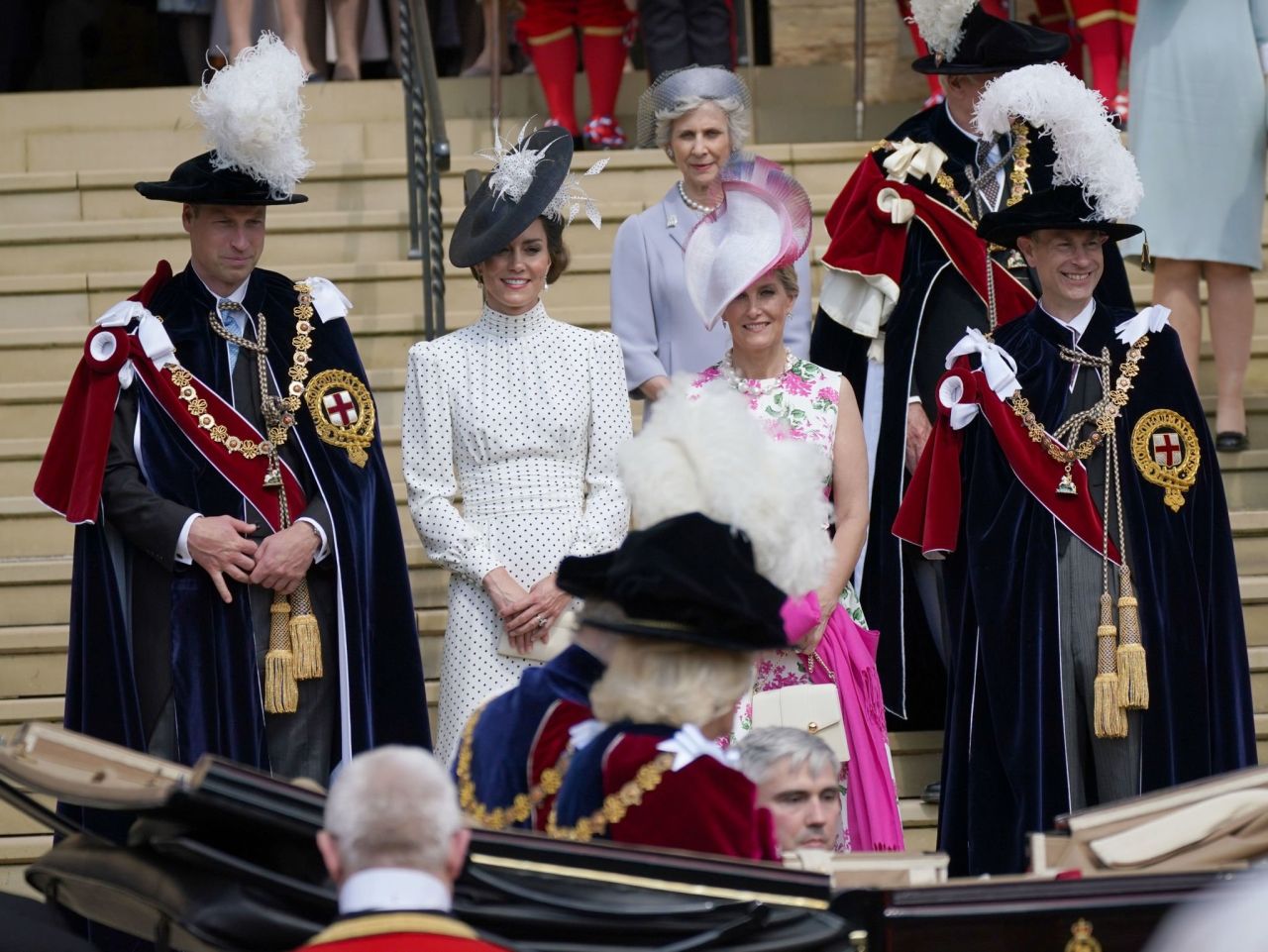
For Kate, the event may signal a shift in her public role. Her recent appearances have been more selective, but her presence at Garter Day suggests a willingness to take on more ceremonial duties. This could be a response to the growing expectations placed on her as a senior member of the royal family, particularly in the wake of her husband’s increased responsibilities.
FAQ: Answers to Common Questions
What is the Garter Day ceremony?
The Garter Day ceremony is an annual event in the British royal calendar, marking the investiture of new members into the Order of the Garter. It is one of the oldest and most prestigious ceremonies in the United Kingdom, with roots dating back to the 14th century. The event is typically held at the Tower of London and involves a procession, speeches, and the presentation of the Garter insignia.
