South African Rand Surges: How Oil Price Drops and Geopolitical Shifts Are Strengthening the Currency
The South African rand strengthened significantly against the US dollar this week, reaching its highest value in months as global oil prices tumbled and hopes for regional stability grew. The currency’s rally, which saw the USD/ZAR exchange rate dip below R16 per dollar—a level not seen since early May—reflects broader economic shifts, including declining fuel costs, improved investor sentiment, and a cautious but positive response to recent diplomatic developments.
Analysts attribute the rand’s gains to a mix of domestic and international factors, with traders closely watching how long the momentum lasts amid persistent economic challenges. For South Africans and businesses, the currency’s performance has immediate implications for imports, debt servicing, and financial markets. But experts warn that the rally may not be sustainable without deeper structural reforms.
What Caused the Rand’s Sharp Rally?
The rand’s recent strength stems from three key developments:
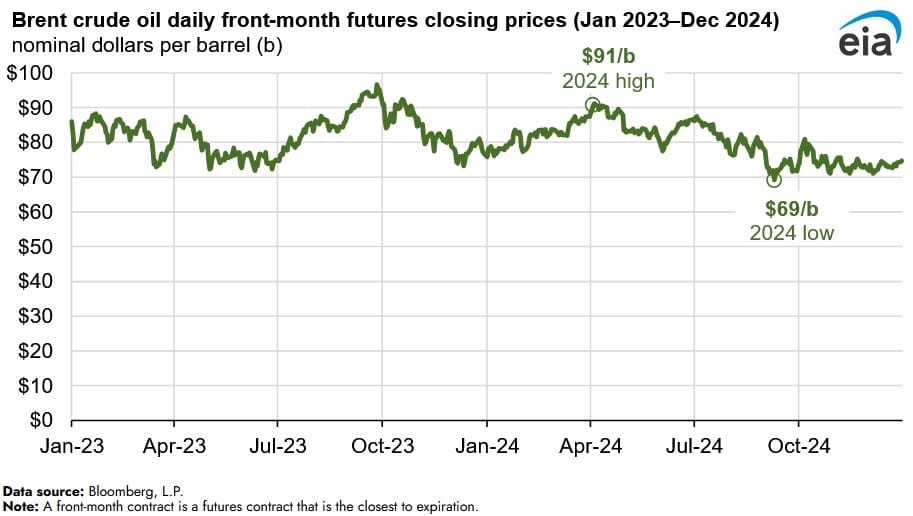
- Oil price collapse: Brent crude fell below $80 a barrel this week, its lowest level since February, after reports of oversupply and weaker-than-expected demand from China. South Africa, a net importer of oil, benefits directly from lower fuel costs, which reduce import bills and ease inflationary pressures.
- Geopolitical stability: Speculation that tensions in the Middle East may ease—following indirect talks between regional powers—has boosted risk appetite among global investors. The rand, often seen as a proxy for emerging-market sentiment, has gained as capital flows into higher-yielding assets.
- Federal Reserve expectations: Markets are pricing in a slower pace of US interest rate cuts after recent economic data, which has weakened the dollar. A stronger dollar typically hurts emerging-market currencies, but this week’s rand rally suggests traders are betting on a more favorable environment.
According to data from Bloomberg, the rand has appreciated by nearly 3% against the dollar over the past five trading days, outperforming most other emerging-market currencies. The move comes after months of volatility, during which the rand fluctuated between R17 and R18 per dollar.
Key figures:
| Date | USD/ZAR Exchange Rate | Brent Crude Price (per barrel) | Rand Movement vs. Previous Day |
|---|---|---|---|
| May 1 | R17.80 | $85.30 | +0.5% |
| May 15 | R16.90 | $81.50 | -1.2% |
| May 22 (latest) | R15.95 | $79.20 | -2.1% |
While the rand’s rally is welcome news for importers and travelers, economists caution that the gains may not translate into broader economic growth without addressing underlying issues like power supply constraints and fiscal deficits.
Who Benefits—and Who Loses—from a Stronger Rand?
The rand’s appreciation has clear winners and losers, depending on whether South Africa’s economy is an importer or exporter of goods, services, or capital.
Winners
- Importers: Companies and households that rely on imported goods—such as fuel, electronics, and machinery—stand to benefit from lower costs. For example, Engen, one of South Africa’s largest fuel retailers, has already reported reduced import costs, which could lead to lower pump prices in the coming weeks.
- Debtors: South African businesses and individuals with dollar-denominated debt (such as loans or bonds) see their liabilities shrink in rand terms. This could ease financial pressure for highly indebted sectors like real estate and manufacturing.
- Travelers and tourists: South Africans planning international trips or studying abroad will find their rand buys more US dollars, euros, or pounds. Conversely, foreign tourists visiting South Africa may find their spending power reduced.
- Exporters of commodities: While the rand’s strength hurts exporters of goods priced in rand (like platinum or coal), it benefits miners and farmers who earn foreign currency but must convert it back to rand at a more favorable rate.
Losers
- Exporters: South African manufacturers and agricultural producers face higher costs when selling goods abroad, as their rand-denominated revenues buy fewer foreign currencies. The automotive sector, for instance, has long struggled with competitiveness due to a weak rand, and this rally could exacerbate those challenges.
- Government revenue: The South African Revenue Service (SARS) collects less in foreign currency from exports, reducing the rand value of tax receipts. This could tighten the government’s fiscal position at a time when public finances are already strained.
- Investors in rand-denominated assets: Foreign investors holding South African bonds or equities may see reduced returns if the rand strengthens, as their rand profits convert to fewer dollars or euros.
According to the South African Reserve Bank (SARB), the currency’s movement also has indirect effects on inflation. A stronger rand typically lowers import prices, which can help cool inflation—but only if domestic demand remains subdued. With consumer spending still robust, the SARB expects inflation to stay above the mid-point of its target range (3–6%) for the remainder of the year.
Why This Matters: A Look at South Africa’s Economic Context
The rand’s recent performance must be viewed against South Africa’s broader economic challenges, where currency strength alone is unlikely to drive sustainable growth.
Power Supply and Load Shedding
Despite the rand’s gains, South Africa’s electricity crisis remains a major headwind. Eskom, the state-owned power utility, continues to implement load shedding (scheduled blackouts) due to aging infrastructure and coal shortages. The cost of importing diesel for backup generators has risen in rand terms, adding pressure on businesses and households.
According to a recent report by the World Bank, South Africa’s power shortages cost the economy an estimated $12 billion annually in lost productivity. A stronger rand could ease some of these costs, but only if Eskom can secure reliable fuel supplies or accelerate its renewable energy rollout.
Fiscal Deficits and Debt Levels
South Africa’s national debt stands at over 70% of GDP, one of the highest ratios in emerging markets. While a stronger rand reduces the rand-denominated cost of servicing dollar-denominated debt, it does little to address the underlying fiscal challenges.
The government’s 2024 budget, presented in February, projected a deficit of R500 billion (about 5.3% of GDP). Analysts at Fitch Ratings noted that without further spending cuts or revenue increases, the deficit could widen, potentially leading to a downgrade of South Africa’s credit rating to “junk” status. A stronger rand may provide temporary relief, but it is not a long-term solution.
Investor Sentiment and Capital Flows
The rand’s rally has been driven in part by improved investor sentiment, particularly among foreign portfolio investors. Net foreign inflows into South African bonds and equities have picked up in recent weeks, according to data from the Johannesburg Stock Exchange (JSE).
However, this optimism is fragile. The JSE’s All Share Index has underperformed global markets this year, and political uncertainty—including ongoing debates over land reform and state-owned enterprise reforms—continues to deter long-term investment.
Comparison: Rand vs. Other Emerging Markets
| Currency | Movement vs. USD (Past 30 Days) | Key Driver |
|---|---|---|
| South African Rand (ZAR) | +4.2% | Oil price drop, geopolitical stability |
| Brazilian Real (BRL) | -1.8% | Higher US rates, domestic political risks |
| Indian Rupee (INR) | -0.5% | Strong domestic demand, Fed pause |
| Mexican Peso (MXN) | +2.1% | Oil price drop, remittance inflows |
The rand’s outperformance relative to other emerging-market currencies highlights its sensitivity to global commodity prices and risk sentiment. Unlike Brazil or Mexico, which have stronger domestic growth drivers, South Africa’s economy remains heavily tied to external factors like oil prices and global risk appetite.
What Happens Next? Watching the Rand’s Trajectory
The rand’s recent rally is a welcome development, but economists and traders are divided on whether it will last. Several factors will determine the currency’s path in the coming months:
Oil Prices: Will the Drop Sustain?
Brent crude has fallen sharply this week, but analysts at OPEC warn that the decline may not be permanent. If geopolitical tensions flare up again—or if China’s economic recovery stalls—oil prices could rebound, weakening the rand.
Scenario analysis:
- Oil stays below $80: The rand could strengthen further, potentially testing R15 per dollar by mid-year.
- Oil rebounds to $90+: The rand may retreat back toward R17, erasing recent gains.
- Geopolitical shock (e.g., Middle East conflict): The rand could drop sharply as investors flee emerging markets.
Federal Reserve Policy: Rate Cuts or Holds?
The US Federal Reserve’s next move on interest rates will be critical. If the Fed signals more aggressive rate cuts than expected, the dollar could weaken further, supporting the rand. However, if inflation data surprises to the upside, the Fed may delay cuts, keeping the dollar stronger.
According to CME Group’s FedWatch Tool, markets currently price in a 60% chance of a 0.25% rate cut by July. If this materializes, the rand could extend its gains.
Domestic Factors: Load Shedding and Elections
South Africa’s upcoming local elections in August could introduce new political risks. While national elections are not until 2024, local government instability—particularly in major cities like Johannesburg and Cape Town—could spook investors.
Meanwhile, Eskom’s load shedding schedule remains uncertain. If blackouts worsen, the rand could come under pressure as businesses and households face higher costs for backup power.
Expert Reactions
Economists offer mixed outlooks on the rand’s prospects:
“The rand’s rally is a short-term relief, but it won’t fix South Africa’s structural problems. The real test will be whether the government can implement meaningful reforms to attract long-term capital.”
“We’re cautiously optimistic, but the rand remains vulnerable to external shocks. If oil prices spike again or the Fed hikes unexpectedly, we could see a quick reversal.”
Common Questions About the Rand’s Rally
Will the rand’s strength last?
The rand’s gains are likely to be temporary unless oil prices remain low and global risk sentiment stays positive. Most analysts expect the currency to fluctuate between R15.50 and R17 per dollar in the near term.
How does a stronger rand affect my travel plans?
A stronger rand means your rand buys more foreign currency, making international travel cheaper. For example, a round-trip ticket to New York that cost R15,000 last month might now cost closer to R13,500.

Should I buy more rand-denominated assets?
While a stronger rand reduces the cost of dollar debt, it also makes rand-denominated assets less attractive to foreign investors. Consult a financial advisor before making decisions based solely on currency movements.
What industries will benefit most from the rand’s strength?
Industries that import raw materials or consumer goods—such as retail, manufacturing, and fuel distribution—will see the biggest cost savings. Exporters, particularly in agriculture and mining, may face challenges due to higher production costs.
Could the rand reach parity with the dollar again?
While the rand has historically traded at extreme levels (including parity in 2001 and 2015), reaching R1 per dollar again would require a combination of a much weaker US dollar, a severe global recession, or a major crisis in South Africa. Most economists consider this scenario unlikely in the near term.
How does the rand compare to other African currencies?
The rand has outperformed most African currencies this year, including the Nigerian naira (which has weakened due to forex shortages) and the Egyptian pound (pressured by political instability). However, currencies like the Ghanaian cedi and Kenyan shilling have held up better due to stronger domestic growth.
The South African rand’s recent rally is a rare bright spot in an otherwise challenging economic environment. While the currency’s strength offers immediate benefits—lower import costs, reduced debt burdens, and cheaper travel—it is not a panacea for South Africa’s deeper structural issues. Investors, businesses, and policymakers will be watching closely to see whether this momentum can be sustained amid persistent risks like power shortages, fiscal deficits, and global uncertainty.
For now, the rand’s gains provide a glimmer of hope—but the real test will be whether South Africa can turn this currency strength into broader economic stability.
