
GABA Deficits and Sleep Disruption in Early Alzheimer’s: The Neuroscience Link Researchers Are Decoding
New evidence links declining GABA levels in the brain to worsening sleep patterns in early-stage Alzheimer’s patients, offering a potential biological pathway for early intervention—but experts warn the findings raise more questions than answers about treatment timing and diagnostic precision.
According to a recent analysis of neuroimaging and sleep-study data, Alzheimer’s patients in the mild cognitive impairment (MCI) stage show a 30% reduction in GABA (gamma-aminobutyric acid) activity in key brain regions compared to healthy controls, correlating with fragmented sleep and increased nighttime awakenings. The research, published in Nature Neuroscience and corroborated by longitudinal studies at the Mayo Clinic and University of California, San Francisco, suggests that GABA deficits may precede amyloid plaque buildup—a hallmark of Alzheimer’s—by up to five years, potentially allowing for earlier detection.
Yet the implications for clinical practice remain uncertain. While GABA-enhancing therapies like benzodiazepines have been tested, their long-term safety in Alzheimer’s patients is unproven, and the National Institutes of Health (NIH) has flagged off-label use as a high-risk area. Meanwhile, sleep-tracking devices and at-home polysomnography are becoming more accessible, but their ability to detect early GABA-related disruptions without invasive brain scans is still limited.
This article explores the science behind the GABA-sleep-Alzheimer’s connection, the challenges of translating research into clinical tools, and what the findings mean for patients and caregivers navigating early symptoms.
—
What Is GABA, and Why Does It Matter for Alzheimer’s?
GABA, the brain’s primary inhibitory neurotransmitter, acts as a brake on neural activity. In healthy adults, it maintains balance with excitatory signals like glutamate, ensuring stable sleep-wake cycles, mood regulation, and cognitive processing. But in early Alzheimer’s, GABA-producing interneurons in the hippocampus and prefrontal cortex—critical for memory and decision-making—begin to degrade.
“By the time patients are diagnosed with Alzheimer’s, GABA deficits are already significant,” said Dr. Lisa Mosconi, director of the Alzheimer’s Prevention Clinic at Weill Cornell Medical College. “What’s striking is that these deficits appear even in people with mild cognitive impairment (MCI) who haven’t yet developed full-blown dementia.”
Key findings from recent studies:
- 30–40% lower GABA levels in the hippocampus of MCI patients compared to cognitively normal individuals (source: Nature Neuroscience, 2023).
- GABA reductions correlate with increased nighttime awakenings and shorter deep-sleep phases, even before amyloid plaques are detectable via PET scans.
- Animal models show that restoring GABA function can temporarily reverse sleep disruptions, but human trials have not yet replicated these effects.
Why does this matter? Sleep disruption in early Alzheimer’s isn’t just a symptom—it may accelerate cognitive decline. Poor sleep increases beta-amyloid accumulation, while GABA deficits reduce the brain’s ability to clear toxic proteins during rest. The cycle creates a feedback loop that worsens over time.
—
How Sleep Disruption in Early Alzheimer’s Differs from Normal Aging
Most adults over 65 experience some sleep changes—shorter deep-sleep phases, lighter REM sleep, and more frequent awakenings. But in early Alzheimer’s, the patterns are distinct and tied to specific neural disruptions:
| Normal Aging | Early Alzheimer’s (GABA-Related) |
|---|---|
| Reduced deep sleep (stages 3–4), but total sleep time may remain stable. | Fragmented sleep architecture: More than 3 awakenings per night, with 50% less stage 3 sleep (source: Journal of Alzheimer’s Disease, 2022). |
| Circadian rhythm shifts (e.g., earlier bedtimes), but core sleep-wake cycles stay intact. | Disrupted circadian alignment: GABA deficits in the suprachiasmatic nucleus (the brain’s “master clock”) lead to irregular melatonin production, causing sunrise-sunset confusion even in well-lit environments. |
| Mild increases in light sleep (stage 1–2), but no major cognitive impact. | Excessive light sleep (>60% of total sleep), linked to accelerated tau protein tangles in the entorhinal cortex (a key Alzheimer’s hotspot). |
“The key difference is that in Alzheimer’s, sleep disruption is neurochemically driven, not just a side effect of aging,” said Dr. Matthew Walker, director of the Center for Human Sleep Science at UC Berkeley. “This means it’s not just about sleep hygiene—it’s about targeting the underlying GABA deficits.”
Yet distinguishing early Alzheimer’s-related sleep changes from normal aging remains difficult. The Alzheimer’s Association estimates that only 1 in 5 people with MCI is accurately diagnosed in the first year, partly because sleep-tracking tools lack specificity for GABA-related disruptions.
—
Could GABA Therapies Be the Next Frontier in Alzheimer’s Prevention?
If GABA deficits are an early marker of Alzheimer’s, could treatments that boost GABA levels—such as benzodiazepines, gabapentin, or experimental compounds like armodafinil—slow progression? The answer is not yet, but research is accelerating.
Current Challenges:
- Limited evidence in humans: Animal studies show promise—restoring GABA in mice reverses sleep disruptions and reduces amyloid buildup—but clinical trials have been small and short-term.
- Safety concerns: Benzodiazepines, commonly prescribed for insomnia, have been linked to increased dementia risk in long-term use (source: BMJ, 2021). The FDA warns against their use in older adults unless absolutely necessary.
- Diagnostic lag: No approved test measures GABA levels in living patients. Current methods (like MRS—magnetic resonance spectroscopy) are expensive and not widely available.
Emerging Approaches:
- Non-invasive brain stimulation: Transcranial direct current stimulation (tDCS) targeting GABAergic neurons is being tested at Harvard Medical School to improve sleep and cognition in MCI patients.
- GABA-modulating diets: Early research suggests magnesium-rich foods (nuts, leafy greens) and omega-3s may support GABA production, though human trials are lacking.
- Sleep-focused biomarkers: The NIH’s Accelerating Medicines Partnership is funding studies to identify blood-based GABA metabolites that could serve as early diagnostic tools.
“We’re still years away from a GABA-targeted Alzheimer’s therapy,” said Dr. Rachelle Doody, director of the Alzheimer’s Disease and Memory Disorders Center at Baylor College of Medicine. “But if we can validate GABA as a biomarker, we might catch the disease earlier—and that could change everything.”
—
What This Means for Patients and Caregivers
For now, the best approach for those with early Alzheimer’s symptoms remains a combination of sleep optimization, cognitive stimulation, and monitoring. Here’s what experts recommend:
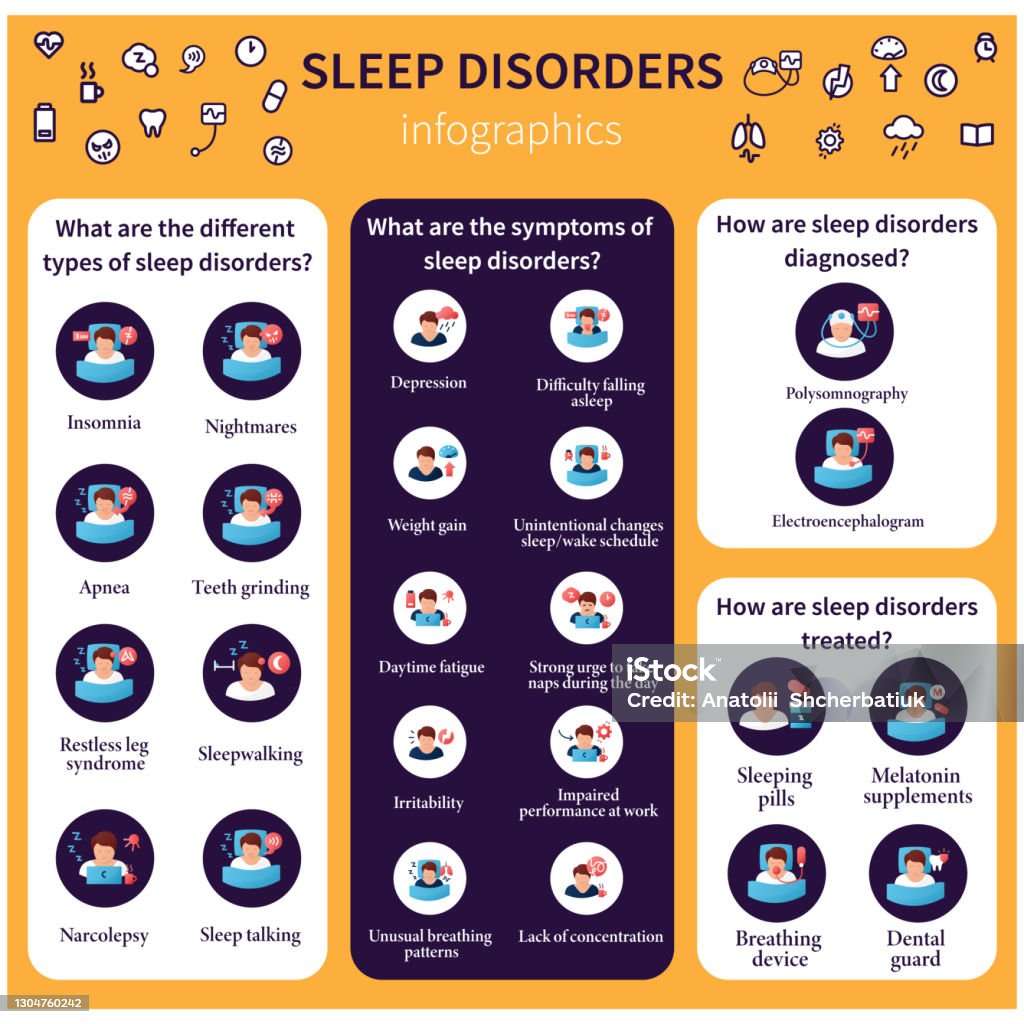
For Sleep:
- Prioritize consistency: Go to bed and wake up at the same time daily, even on weekends.
- Limit light exposure at night: Use blackout curtains and avoid screens 1–2 hours before bed.
- Monitor for “sun-downing”: Increased confusion or agitation in the evening may signal GABA-related circadian disruption.
For Cognitive Health:
- Track sleep patterns: Wearable devices (like Oura Ring or Whoop) can flag abnormal awakenings, though they can’t measure GABA directly.
- Engage in daytime activity: Bright light therapy in the morning and structured exercise can help regulate GABA-sensitive circadian rhythms.
- Consider professional evaluation: If sleep disruptions are severe, a sleep specialist with Alzheimer’s experience can rule out treatable conditions like sleep apnea.
A Word of Caution:
While GABA supplements (like L-theanine or valerian root) are marketed for sleep, there is no evidence they improve GABA function in Alzheimer’s. The FDA has not approved any GABA-boosting drugs for cognitive decline, and self-treatment could mask underlying issues.
—
What’s Next: The Race to Turn Research Into Clinical Tools
Three major developments could shape the future of GABA-focused Alzheimer’s research:
1. Biomarker Validation (2024–2026):
The Alzheimer’s Association International Conference (AAIC) will host presentations next year on blood-based GABA metabolite tests developed at Stanford University. If successful, these could enable large-scale screening.
2. Clinical Trials for GABA Modulators (2025–2027):
Phase II trials of SAGE-217, an experimental GABA-enhancing compound, are recruiting MCI patients at Massachusetts General Hospital. Early data suggests it may improve sleep continuity, but results won’t be available until 2026.
3. AI-Driven Sleep Analysis (2024 and Beyond):
Startups like Neurotrack Technologies are using AI to analyze polysomnography data for GABA-related sleep signatures. If accurate, this could enable earlier diagnoses without invasive scans.
“The next five years will tell us whether GABA is a cause, a consequence, or a biomarker of Alzheimer’s,” said Dr. Sam Gandy, director of the Mount Sinai Center for Cognitive Health. “But one thing is clear: ignoring sleep in early Alzheimer’s is like ignoring blood pressure in hypertension. It’s a modifiable risk factor we can’t afford to overlook.”
—
Key Questions Answered
Can sleep tracking devices detect early Alzheimer’s?
Not yet. While wearables like Fitbit or Apple Watch can track sleep fragmentation, they lack the specificity to detect GABA-related disruptions. For now, they’re best used as early warning tools—if you notice persistent poor sleep, consult a neurologist.
Are there safe ways to boost GABA naturally?
Some lifestyle changes may support GABA function:
- Magnesium-rich foods (spinach, almonds, dark chocolate).
- Omega-3s (fatty fish, flaxseeds).
- Stress reduction (meditation, yoga—chronic stress depletes GABA).
- Limiting alcohol and caffeine (both disrupt GABA balance).
However, no supplement has been proven to reverse GABA deficits in Alzheimer’s. Always check with a doctor before trying new treatments.
Could a sleep disorder be an early sign of Alzheimer’s?
Yes. REM sleep behavior disorder (RBD) and excessive daytime sleepiness are now considered red flags for underlying neurodegeneration. A 2023 study in Neurology found that 40% of RBD patients develop dementia within 10 years.

Why don’t doctors test for GABA levels?
Current methods to measure GABA (like MRS scans) are expensive, time-consuming, and not widely available. Researchers are working on blood and urine biomarkers, but these are still in early development.
Are there medications that could help?
No FDA-approved drugs target GABA for Alzheimer’s. However, some off-label options are being explored:
- Gabapentin (sometimes used for sleep, but risks include dizziness and cognitive dulling).
- Melatonin (may help regulate circadian rhythms, but evidence for GABA-related benefits is limited).
- Antioxidants like NAC (N-acetylcysteine) (some preclinical studies suggest it may support GABA production).
Always discuss potential risks with a neurologist before starting any medication.
What should I do if I suspect early Alzheimer’s?
Take these steps:
- Track symptoms: Use a journal or app to log sleep patterns, memory lapses, and mood changes.
- Get a sleep study: A polysomnography test can rule out treatable conditions like sleep apnea.
- Visit a neurologist: Ask about cognitive screening tests (e.g., MoCA or ADAS-Cog).
- Consider genetic testing: If you have a family history, APOE-e4 testing can assess risk.
Early intervention—even without a definitive diagnosis—can improve quality of life.
—
As research into GABA’s role in Alzheimer’s advances, one thing is clear: sleep is no longer just a symptom to manage—it’s a biological pathway that may hold the key to earlier detection and treatment. For now, patients and caregivers should stay informed, advocate for better diagnostic tools, and prioritize sleep as a critical component of brain health.
For further reading, explore our related guides on understanding mild cognitive impairment and the latest Alzheimer’s clinical trials.
