
Up to 99% of heart attacks and strokes are preventable through the management of four primary risk factors, according to a study of 9 million participants. The research, identified as the PURE study, indicates that the vast majority of cardiovascular events are tied to these specific, modifiable risks.
- Prevention Rate: Approximately 99% of cardiovascular events are linked to four central risk factors.
- Study Scale: The findings are based on data from 9 million individuals.
- Nature of Risk: The identified factors are categorized as modifiable, meaning they can be altered through intervention or lifestyle changes.
Which factors drive cardiovascular risk?
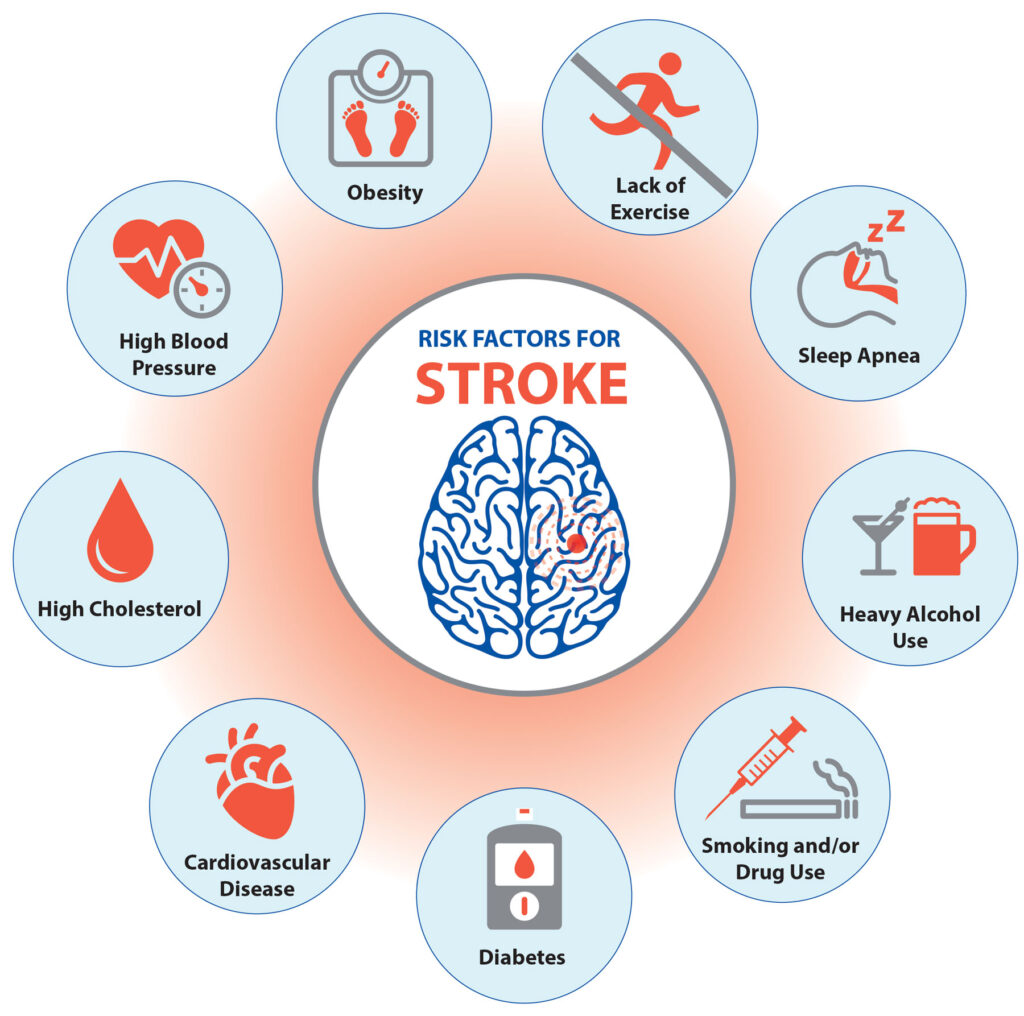
According to the PURE study, heart attacks and strokes are not random occurrences but are largely driven by four central risk factors. While the research emphasizes the high percentage of avoidability, it specifically categorizes these triggers as modifiable risk factors. This distinction indicates that these risks are not genetic or immutable, but are elements that can be managed or eliminated to reduce the likelihood of a cardiovascular event.
How extensive was the PURE study?
The scale of the research provides a significant data set for public health analysis. According to the study authors, the research tracked 9 million people to determine the correlation between specific risk factors and the incidence of heart disease and stroke. By analyzing such a large population, the study concluded that 99% of cardiovascular risks are avoidable when these four primary factors are addressed.
What are the implications for heart health?
The findings suggest a shift in how cardiovascular disease is viewed, moving from an inevitable health decline to a largely preventable condition. Because the study identifies these risks as modifiable, the data implies that targeted interventions focusing on these four areas could theoretically eliminate nearly all cases of heart attack and stroke across the population.
