
Israel to Assist Somaliland in Developing Its Water Sector: Diplomatic Ties Expand
Israel is providing technical support to develop Somaliland’s water sector following the recognition of the region’s independence. This cooperation includes the opening of a Somaliland embassy in Jerusalem, a move reported by the BBC and the Jerusalem Post, marking a formal shift from years of covert bilateral relations.
How is Israel assisting Somaliland’s water sector?
Israel has committed to providing technical expertise and assistance to Somaliland to improve its water infrastructure and management. According to reports from the Jerusalem Post, this initiative is part of a broader strategic partnership aimed at enhancing the region’s agricultural viability and resource security. Israel frequently utilizes “water diplomacy”—the export of desalination, drip irrigation, and wastewater treatment technology—to establish ties with new partners.
The assistance focuses on the development of the water sector, a critical need for Somaliland, which faces chronic water scarcity and relies heavily on erratic rainfall. By applying Israeli water management systems, Somaliland aims to stabilize its food production and increase the availability of potable water for its population.
Key areas of expected cooperation include:
- Implementation of advanced drip irrigation systems to reduce water waste.
- Technical guidance on groundwater management and aquifer protection.
- Potential development of desalination plants to utilize the region’s coastline.
- Training for local engineers and agricultural specialists in Israeli water-tech protocols.
Why did Somaliland open an embassy in Jerusalem?
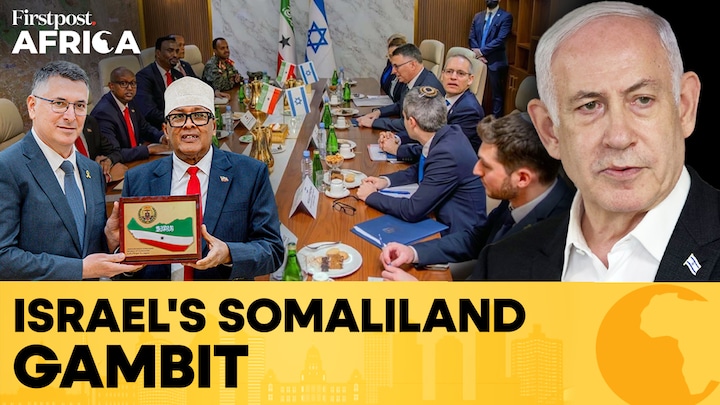
Somaliland officially opened an embassy in Jerusalem after Israel recognized its independence, the BBC reports. This diplomatic move serves as a formalization of the region’s sovereignty, as Somaliland has sought international recognition for decades despite operating as a self-governing state since 1991.
The establishment of the embassy is a symbolic and practical victory for Somaliland. It provides a direct diplomatic channel to the Israeli government and signals to the international community that the region is capable of forming bilateral treaties and maintaining diplomatic missions. For Israel, the move expands its footprint in the Horn of Africa, a region of high strategic importance due to its proximity to the Bab el-Mandeb strait and the Red Sea shipping lanes.
“Somaliland opens Jerusalem embassy after Israel’s recognition of its independence.” — BBC
What is the history of Israel-Somaliland relations?
While the recent recognition and embassy opening are public, the relationship between the two entities is not new. Israeli Foreign Minister Katz, in a meeting with the Somaliland president, stated that the two nations have been cooperating “under the radar” for many years, according to The Times of Israel.
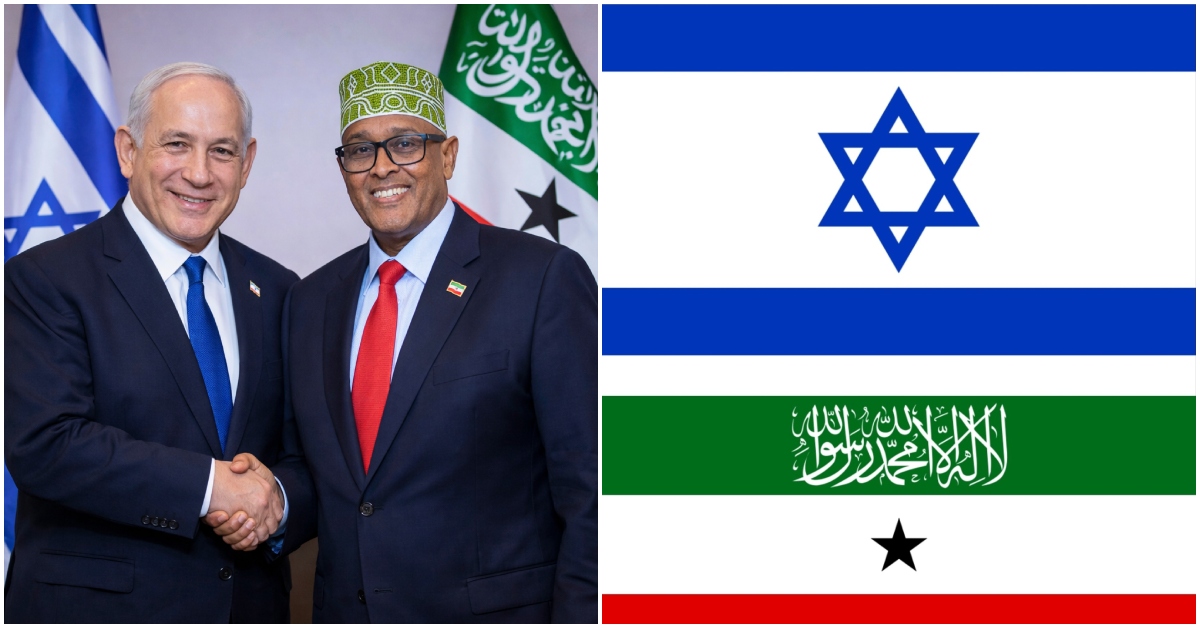
This covert cooperation likely involved security intelligence and limited technical exchanges. By moving these relations into the public eye, both governments are transitioning from tactical, hidden agreements to a formal strategic alliance. The “under the radar” period allowed both parties to test the viability of their partnership without triggering immediate diplomatic crises with neighboring states or international bodies.
The timeline of this diplomatic evolution can be summarized as follows:
| Phase | Nature of Relationship | Key Characteristics |
|---|---|---|
| Early Years | Covert/Informal | “Under the radar” cooperation on security and technical issues. |
| Recognition Phase | Formal Recognition | Israel recognizes Somaliland’s independence. |
| Diplomatic Phase | Institutionalization | Opening of the Somaliland embassy in Jerusalem. |
| Development Phase | Sectoral Assistance | Israel to assist Somaliland in developing its water sector. |
How has the Arab League responded to these ties?
The diplomatic rapprochement has met with strong opposition from regional bodies. The Arab League has condemned Somaliland’s decision to open an embassy in Jerusalem, according to Fana News. The league’s objection is rooted in two primary concerns: the status of Jerusalem and the territorial integrity of Somalia.
The Arab League generally views Jerusalem as the capital of a future Palestinian state and considers the establishment of embassies there as a violation of international consensus. Furthermore, because the majority of the international community recognizes Somaliland as a part of Somalia, the Arab League views Israel’s recognition of Somaliland’s independence as an interference in Somali sovereignty.
This reaction highlights a significant diplomatic rift: while Somaliland views Israeli recognition as a path toward global legitimacy, the Arab League views it as a provocative move that undermines both Palestinian claims and Somali unity.
Will the United States recognize Somaliland?
The quest for wider recognition continues beyond Israel. According to Ynetnews, Dr. Mike Evans intends to urge Donald Trump to recognize Somaliland. This suggests an effort to leverage potential shifts in U.S. foreign policy to secure a major superpower’s endorsement of Somaliland’s statehood.
Recognition by the United States would be a transformative event for Somaliland. While Israeli recognition provides technical and diplomatic utility, U.S. recognition would likely open the door to:
- Direct financial aid and IMF/World Bank loans.
- Formal military cooperation and security guarantees.
- Increased foreign direct investment (FDI) from Western corporations.
- Greater leverage in negotiations with the federal government in Mogadishu.
However, such a move would require the U.S. to deviate from its long-standing policy of recognizing the Federal Government of Somalia as the sole sovereign authority over all Somali territories.
Understanding the Somaliland-Somalia Conflict
To understand why Israel’s assistance and recognition are significant, it is necessary to examine the status of Somaliland. Somaliland was formerly a British protectorate, while Somalia was an Italian colony. Upon independence in 1960, the two joined to form the Somali Republic.
Following a brutal civil war and the collapse of the central government in 1991, Somaliland declared its independence. Since then, it has maintained its own currency, passport, army, and democratically elected government. Despite this stability, no UN member state has formally recognized it as a sovereign nation.
Israel’s decision to recognize Somaliland represents a break from this international norm. By providing aid—specifically the plan for Israel to assist Somaliland in developing its water sector—Israel is treating Somaliland as a functional state entity rather than a breakaway province.
For more on regional dynamics, see a related explainer on Horn of Africa geopolitics.
The Role of Water Technology in Diplomatic Strategy
The decision for Israel to assist Somaliland in developing its water sector is not merely a humanitarian gesture; it is a proven diplomatic tool. Israel’s expertise in arid-land farming and water reclamation makes it an attractive partner for nations in the Sahel and Horn of Africa.
By solving a concrete, existential problem—water scarcity—Israel creates a dependency and a bond of gratitude that often translates into political support. In Somaliland, where water is the primary constraint on economic growth, this assistance provides a tangible benefit that outweighs the diplomatic risks of aligning with Israel.
Common misconceptions about this partnership include the idea that it is purely political. While the embassy in Jerusalem is political, the water sector assistance is technical. The integration of these two tracks—the “high politics” of recognition and the “low politics” of water pipes—is a hallmark of Israeli foreign policy in developing regions.
Potential Implications for Regional Stability
The expansion of ties between Israel and Somaliland could have several long-term effects on the region:
- Pressure on Mogadishu: The Federal Government of Somalia may feel pressured to address Somaliland’s grievances to prevent further international recognition of the breakaway region.
- Shift in Horn of Africa Alliances: Other nations in the region may look to Israel for similar technical assistance, potentially reducing the influence of traditional powers.
- Increased Tension with Arab States: As seen with the Arab League’s condemnation, these ties could strain relations between Israel and those Arab nations that prioritize the “One Somalia” policy.
- Economic Growth: If the water sector development is successful, Somaliland could see a surge in agricultural productivity, reducing its reliance on food imports.
The success of these initiatives depends on the stability of the Somaliland government and the continued willingness of Israel to provide technical support despite regional backlash.
Frequently Asked Questions
What is the main goal of Israel’s assistance to Somaliland?
The primary goal is to help Somaliland develop its water sector through technical expertise in irrigation, desalination, and water management to combat scarcity and improve food security.
Does the international community recognize Somaliland?
Most of the international community, including the United Nations and the African Union, does not formally recognize Somaliland as an independent state, viewing it instead as part of Somalia. Israel’s recognition is a notable exception.
Why is the Somaliland embassy in Jerusalem controversial?
The embassy is controversial because the Arab League and other international bodies dispute Israel’s claim to Jerusalem and oppose the recognition of Somaliland’s independence from Somalia.
Who is Dr. Mike Evans and what is his role?
According to Ynetnews, Dr. Mike Evans is an individual urging the U.S. government, specifically Donald Trump, to formally recognize Somaliland’s independence.
How has Somaliland operated without international recognition?
Somaliland has functioned as a de facto independent state since 1991, maintaining its own government, military, and currency, while engaging in “under the radar” cooperation with various nations, including Israel.
As the partnership evolves, the focus will likely remain on the tangible results of the water sector projects and whether other nations follow Israel’s lead in recognizing Somaliland’s sovereignty.
