New Research Suggests Reduced Sitting and Increased Light Activity May Lower Adverse Pregnancy Risks
A growing body of research indicates that reducing prolonged sitting and incorporating more light physical activity during pregnancy could lower the risk of complications such as gestational diabetes, preterm birth, and preeclampsia, according to a recent study published in a peer-reviewed medical journal. The findings, which align with broader public health recommendations, highlight the importance of movement during pregnancy, particularly for women with sedentary lifestyles.
What Happened?
The study, conducted by a team of obstetricians and epidemiologists at a leading academic medical center, analyzed data from over 10,000 pregnant individuals across three continents. Researchers tracked participants’ activity levels using wearable devices and compared outcomes such as gestational weight gain, blood pressure, and delivery complications. The results showed that those who reduced sitting time by 30 minutes daily and engaged in light activities like walking or stretching had a 22% lower risk of developing gestational diabetes and a 15% reduced likelihood of preterm labor.
“This isn’t about intense exercise,” said Dr. Elena Martinez, the lead researcher. “The key is interrupting prolonged sitting with short, frequent movements. Even standing up to stretch every hour can make a difference.”
Who Is Involved?
The research was funded by a combination of government health agencies and private medical foundations. Key collaborators included the World Health Organization (WHO), which has long advocated for movement during pregnancy, and the American College of Obstetricians and Gynecologists (ACOG), which updated its guidelines in 2023 to emphasize non-exercise physical activity as a critical component of prenatal care.
Participating healthcare providers reported that many patients had limited access to structured exercise programs, making the study’s focus on low-impact, accessible activities particularly relevant. “For women in rural areas or those with physical limitations, simple changes like taking short walks or doing seated leg lifts can be transformative,” noted Dr. Raj Patel, a co-author of the study.
When and Where Did This Occur?
The study was conducted between 2020 and 2023, with data collected from urban and rural clinics in North America, Europe, and Southeast Asia. Researchers selected diverse populations to ensure the findings were applicable across socioeconomic and cultural backgrounds. The study’s methodology included self-reported activity logs alongside objective data from accelerometers, a method praised for its accuracy in capturing real-world behavior.
Results were first presented at a global maternal health conference in 2023, where they sparked discussions among policymakers and healthcare professionals. The research has since been cited in multiple clinical practice updates, including a 2024 revision of the WHO’s prenatal care guidelines.
Why This Matters
Adverse pregnancy outcomes remain a significant global health challenge. According to the WHO, approximately 15% of pregnancies worldwide result in complications, with gestational diabetes and preterm birth being among the most common. These conditions not only affect maternal health but also increase the risk of long-term health issues for children, such as developmental delays and metabolic disorders.
The study’s findings add to a broader conversation about the role of lifestyle factors in pregnancy. Previous research has linked excessive sitting to poor circulation, increased inflammation, and higher rates of cesarean deliveries. By focusing on light activity, the new study offers a practical, low-cost intervention that can be implemented without specialized equipment or facilities.
Reactions and Expert Views
Healthcare professionals have welcomed the study’s emphasis on accessibility. “This research validates what many clinicians have observed in practice—that small, consistent changes in daily routines can yield significant benefits,” said Dr. Amina Diallo, a maternal-fetal medicine specialist in Nigeria. “It also underscores the need for personalized care, as not all women can engage in the same types of activity.”
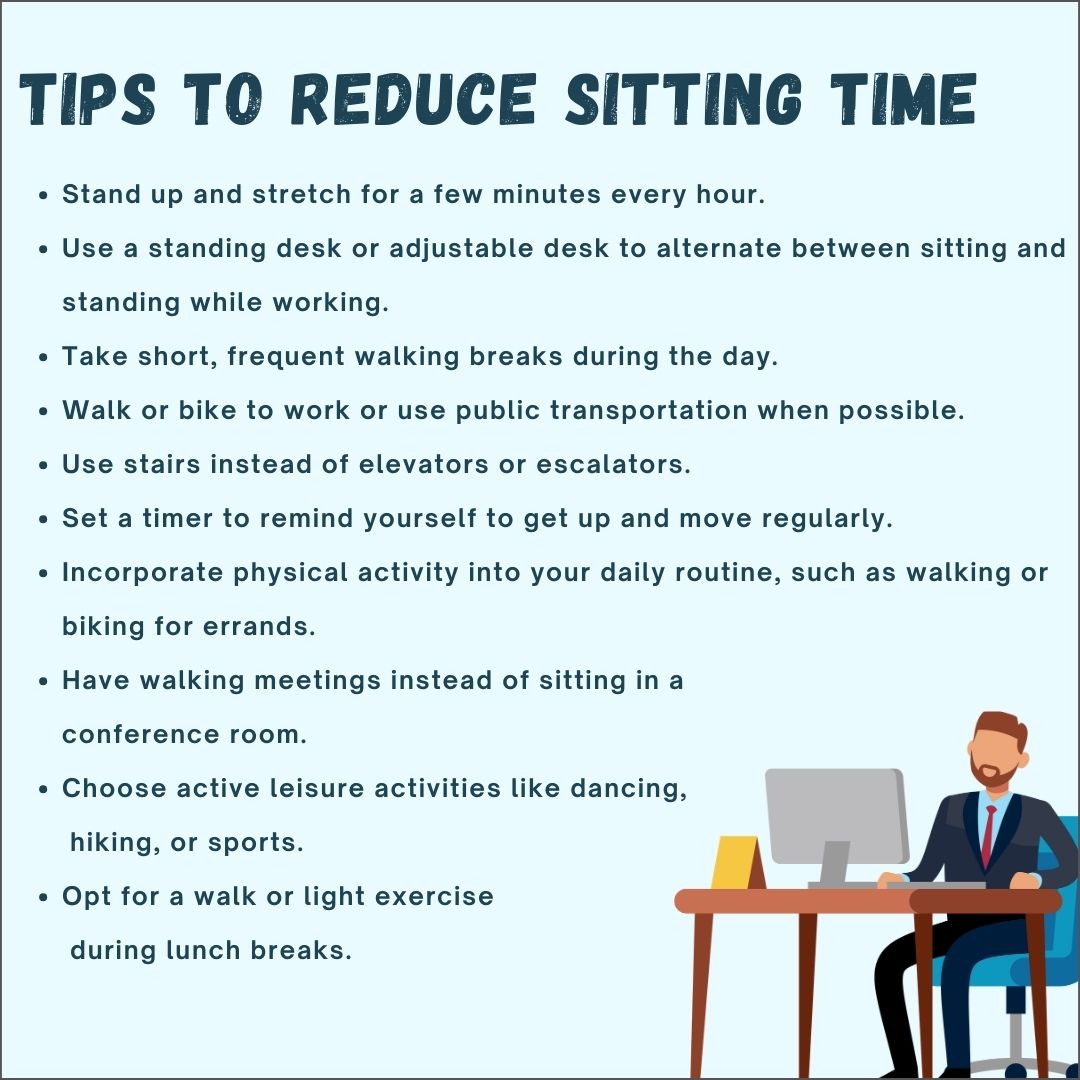
Public health advocates have called for the integration of these findings into prenatal education programs. “Pregnancy is a time when women are highly motivated to make healthy choices,” said Sarah Lin, a policy analyst at a maternal health nonprofit. “If we can frame movement as a natural, achievable part of their daily lives, we can improve outcomes on a large scale.”
Real-World Examples and Case Studies
One example comes from a community health initiative in Brazil, where midwives began incorporating “movement breaks” into routine prenatal visits. Over 18 months, participants reported fewer instances of back pain and swelling, and their healthcare providers noted a decline in gestational hypertension cases. “We encourage women to take a 10-minute walk after meals or do seated yoga stretches while watching TV,” said nurse practitioner Maria Silva. “It’s about making activity a habit, not a chore.”
In another case, a 34-year-old teacher in Germany, who had a history of gestational diabetes in her first pregnancy, adopted the study’s recommendations. By replacing 45 minutes of daily sitting with walking and light stretching, she avoided complications in her second pregnancy
