‘I felt trapped’: The hidden struggle of eating disorders facing pregnant women – BBC
Pregnant women with eating disorders often face a dual crisis of severe physical malnutrition and intense psychological distress, frequently remaining undetected by prenatal healthcare providers. According to patient testimonies and clinical observations, the conflict between the biological necessity of weight gain and the compulsive drive for restriction creates a state of mental entrapment that complicates both maternal and fetal health.
Why Eating Disorders Often Go Unnoticed During Pregnancy
Prenatal care typically focuses on weight gain as a primary indicator of fetal health. When a woman with a history of anorexia or bulimia enters pregnancy, her weight gain may appear “normal” or “adequate” on a clinical chart, even if she is engaging in restrictive behaviors or purging. This creates a medical blind spot where the focus on the scale masks the underlying pathology.
Healthcare providers often assume that the biological drive to nurture a fetus will naturally override an eating disorder. However, reports from affected women indicate that pregnancy can actually exacerbate the need for control. The rapid changes in body shape and the inevitable increase in weight can trigger a relapse or intensify existing symptoms. Because pregnancy is socially framed as a time of “glow” and joy, women often feel an immense pressure to perform happiness, which further hides their struggle.
Key reasons for the lack of detection include:
- The “Normal” Weight Gain Mask: A woman may maintain a restrictive diet but still gain some weight due to the fetus and amniotic fluid, leading doctors to believe she is eating sufficiently.
- Stigma and Shame: Fear of being judged as an “unfit mother” prevents women from disclosing their struggles to midwives or obstetricians.
- Lack of Specialized Screening: Standard prenatal intake forms rarely include specific, nuanced questions about eating disorder history or current disordered eating patterns.
- Medical Tunnel Vision: The clinical priority is often shifted entirely to the fetus, leaving the mother’s mental health as a secondary concern.
The Psychological Conflict: The Feeling of Being ‘Trapped’
The phrase “feeling trapped” describes a specific psychological intersection where the desire to be a healthy parent clashes with the rigid rules of an eating disorder. For many, the eating disorder is a coping mechanism for anxiety; when pregnancy removes the ability to control weight, the anxiety spikes, leading to more desperate attempts at restriction.
Women report a profound sense of guilt. They are aware that their behavior may harm the developing baby, yet the compulsion to restrict food feels autonomous and uncontrollable. This creates a cycle of restriction, guilt, and temporary compensation, often hidden from partners and medical staff. The “trap” is the inability to escape the disorder’s voice while simultaneously facing the biological reality of a growing body.
“The internal battle is constant. You want the baby to be healthy, but the part of you that survives through control cannot accept the weight gain. It feels like you are fighting your own body and your own child.”
This mental state is not limited to those with a prior diagnosis. Some women develop disordered eating for the first time during pregnancy, driven by the sudden loss of bodily autonomy and the societal pressure to “bounce back” immediately after birth.
Physical Risks to Mother and Fetus
The physiological impact of an eating disorder during pregnancy is severe. Malnutrition during the critical windows of fetal development can lead to lifelong complications for the child and immediate dangers for the mother.
Risks to the Fetus:
- Intrauterine Growth Restriction (IUGR): Insufficient nutrient intake can lead to low birth weight and stunted physical development.
- Preterm Birth: Malnourished bodies are more prone to early labor.
- Developmental Delays: Lack of essential fatty acids and vitamins can impact brain development and cognitive function.

Risks to the Mother:
- Electrolyte Imbalance: Purging behaviors (vomiting or laxative use) can lead to dangerous levels of potassium and sodium, potentially causing cardiac arrest.
- Severe Anemia: Lack of iron and B12 increases the risk of hemorrhage during childbirth.
- Osteoporosis: Prolonged malnutrition weakens bone density, which is further strained by the weight of pregnancy.
- Postpartum Psychosis: The combination of severe malnutrition and hormonal shifts increases the risk of severe mental health crises after delivery.
| Symptom/Behavior | Standard Prenatal View | ED-Informed View |
|---|---|---|
| Slow weight gain | Possible nausea or “small baby” | Intentional restriction/malnutrition |
| Avoidance of certain foods | Typical pregnancy cravings/aversions | Fear foods or rigid dietary rules |
| Excessive exercise | “Staying healthy” during pregnancy | Compulsive calorie burning |
| Frequent bathroom trips | Pressure on bladder from fetus | Potential purging behavior |
Comparing Standard Care vs. Specialized Perinatal ED Care
There is a significant gap between general obstetric care and specialized perinatal eating disorder treatment. Standard care often relies on the “weight-gain curve,” which is an insufficient metric for mental health. In contrast, specialized care employs a multidisciplinary team to treat the mother as a patient in her own right, not just as a vessel for the fetus.
Specialized care typically includes a registered dietitian specializing in EDs, a perinatal psychologist, and an obstetrician who understands the nuances of malnutrition. Instead of simply telling a patient to “eat more,” these teams work on the psychological barriers to eating and provide structured meal support.
A critical difference lies in the approach to weight. While a standard doctor might express concern that a woman is “too thin,” a specialist recognizes that shame-based comments can drive a patient further into restriction. The specialized approach focuses on nutritional rehabilitation and mental stability rather than just the number on the scale.
For those seeking more information on related mental health challenges, a related explainer on postpartum depression can provide context on how prenatal struggles often transition into postnatal mood disorders.
The Path to Recovery and Support
Recovery during pregnancy requires a delicate balance of medical intervention and psychological support. Because the stakes are higher (the health of the child), the urgency of treatment is increased, but so is the patient’s anxiety.
Effective Intervention Strategies
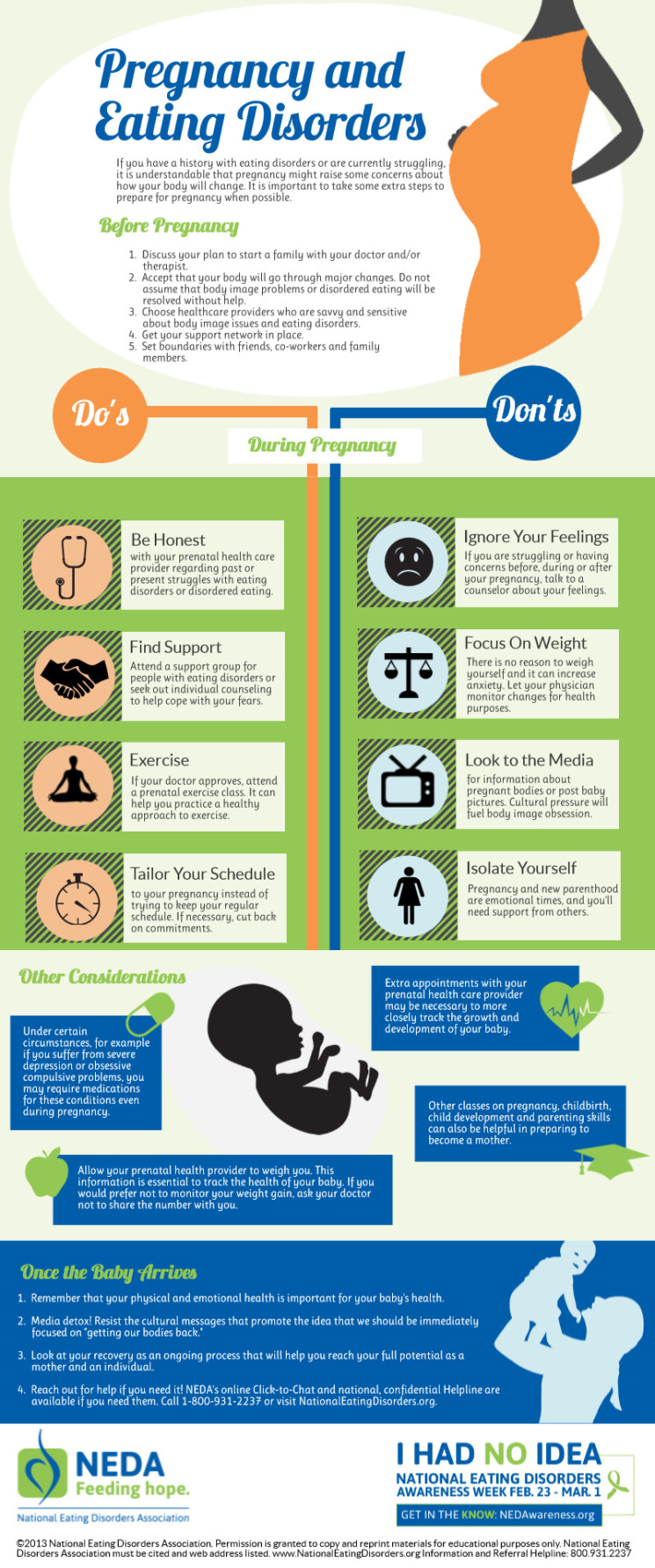
- Early Screening: Implementing validated eating disorder screening tools during the first trimester for all pregnant women.
- Non-Judgmental Communication: Providers must create a safe space where women can admit to disordered behaviors without fear of being reported to social services or judged as “bad mothers.”
- Nutritional Support: Using high-calorie, nutrient-dense supplements that feel less overwhelming than large meals.
- Family Involvement: Engaging partners in a supportive, non-policing role to help the mother manage meal times and anxiety.
Recovery does not always mean a total absence of symptoms before birth. The goal is often “harm reduction”—ensuring the mother is physically stable and the fetus is receiving enough nutrients to develop safely, while simultaneously treating the mental illness.
It is also vital to plan for the postpartum period. The return of the “body image” focus after birth, combined with the exhaustion of new motherhood, makes the period immediately following delivery a high-risk window for relapse.
Common Misconceptions About Pregnancy and Eating Disorders
Several myths persist in both the medical community and the general public, which often hinder effective treatment.
Myth 1: Pregnancy “cures” eating disorders.
Fact: While some women find the biological drive to protect the baby helps them eat more, for many, the loss of control over their body triggers a severe relapse. Pregnancy is a stressor, and stress is a primary driver of ED behaviors.
Myth 2: If she is gaining weight, she is fine.
Fact: As noted, fetal growth and fluid retention can mask severe caloric restriction. A woman can be in a state of starvation while the scale continues to rise.
Myth 3: Eating disorders in pregnancy are rare.
Fact: While specific data is often underreported due to the “hidden” nature of the struggle, clinical evidence suggests that a significant number of women with a history of EDs experience symptoms during pregnancy.
For a broader look at maternal health, a guide to perinatal mental health resources can help identify local support systems and crisis lines.
Frequently Asked Questions
Can an eating disorder be fully treated during pregnancy?
While full recovery is possible, the primary goal during pregnancy is often stabilization and nutritional adequacy. Comprehensive treatment involving a psychologist and dietitian is necessary to address the root causes while ensuring the safety of the pregnancy.
How can a partner help a pregnant woman struggling with an eating disorder?
Partners should offer non-judgmental support, avoid “food policing” (which can increase anxiety), and encourage professional help. The most effective role for a partner is to be a supportive companion in the treatment process rather than a monitor of calories or weight.
What are the first signs that a pregnant woman might be struggling with an ED?
Signs include an obsession with “healthy” or “clean” eating that becomes restrictive, extreme anxiety regarding weight gain, avoiding meals with others, or excessive exercise despite physical fatigue and pregnancy symptoms.
Is it safe to use nutritional supplements if I cannot eat enough?
Yes, under medical supervision. High-calorie nutritional shakes and supplements can provide essential vitamins and minerals to the fetus when solid food is psychologically impossible to consume. This should always be managed by a healthcare provider.
Will a history of an eating disorder automatically mean a relapse during pregnancy?
No. Many women maintain recovery during pregnancy. However, because of the physiological and psychological changes involved, it is highly recommended that women with a history of EDs have a proactive support plan in place before and during pregnancy.
