
In a quiet but transformative moment for wildlife conservation, the Agence Nationale des Eaux et Forêts (ANEF) has orchestrated a revival of Morocco’s natural heritage in the Oriental region, where the reintroduction of the endangered Barbary deer marks a century-long return. The initiative, announced through a series of partnerships and ecological programs, signals a broader commitment to restoring biodiversity in protected areas that have long struggled with habitat loss and fragmentation.
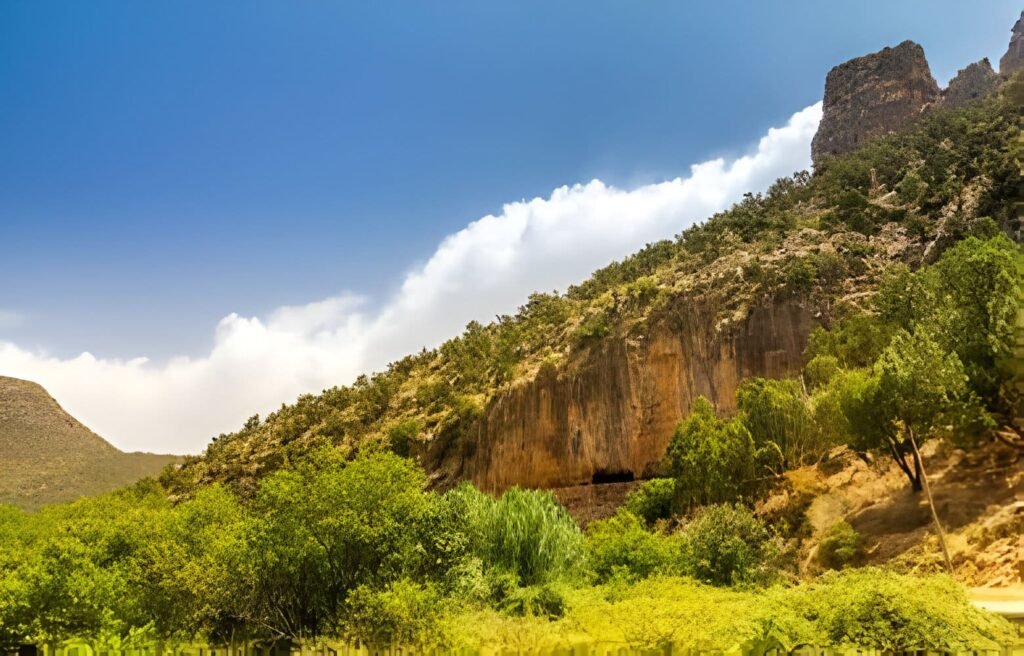
The Barbary deer, once native to the Mediterranean but nearly extinct in Morocco, now roams the Parc naturel de Béni Snassen under a program that combines scientific reintroductions with community engagement. The ANEF’s efforts extend beyond this iconic species: six new partnership agreements signed in Berkane formalize collaborations aimed at preserving local ecosystems, from reforestation projects to anti-poaching patrols.
A Century in the Making
The reintroduction of the Barbary deer is not just a biological triumph but a cultural one. The species, which disappeared from the region in the early 20th century, holds symbolic weight in North African folklore and history. Its return to Béni Snassen—where it will thrive under monitored conditions—is part of a larger push by ANEF to revitalize Morocco’s protected areas, which face mounting pressure from climate change and human encroachment.
Key Details
- Species Focus: Barbary deer (*Cervus elaphus barbarus*), critically endangered in Morocco.
- Location: Parc naturel de Béni Snassen, Oriental region.
- Partnerships: Six new agreements signed in Berkane to support habitat restoration, anti-poaching, and community education.
- Timeline: Reintroduction follows decades of local extinction; no specific date provided for public access or further releases.
- Broader Impact: Part of ANEF’s ongoing restoration programs across Morocco’s protected zones.
Why This Matters Beyond the Wild
While the Barbary deer’s return may seem like a niche ecological story, its significance ripples through broader conversations about conservation, tourism, and even cultural identity. Protected areas like Béni Snassen are increasingly framed as destinations for “eco-tourism,” where visitors can witness rewilding efforts firsthand. The ANEF’s partnerships with local stakeholders—including indigenous communities and environmental NGOs—also highlight a shift toward collaborative conservation, where scientific rigor meets grassroots support.

For Morocco, a country rich in biodiversity but increasingly vulnerable to desertification, these initiatives serve as a model for balancing development with preservation. The Barbary deer’s story, in particular, taps into a global fascination with species revival—from the European bison to the California condor—where each success story fuels hope for larger ecological recoveries.
What’s Next for the Oriental Region
ANEF has not yet announced a public viewing schedule for the reintroduced deer, but the agency’s broader programs in the Oriental region suggest continued focus on monitoring populations and expanding protected corridors. The six new partnerships in Berkane will likely accelerate habitat restoration, though specifics—such as funding sources or timelines for additional species reintroductions—remain under wraps. For now, the Barbary deer stands as both a symbol of what’s possible and a reminder of the work still ahead.

