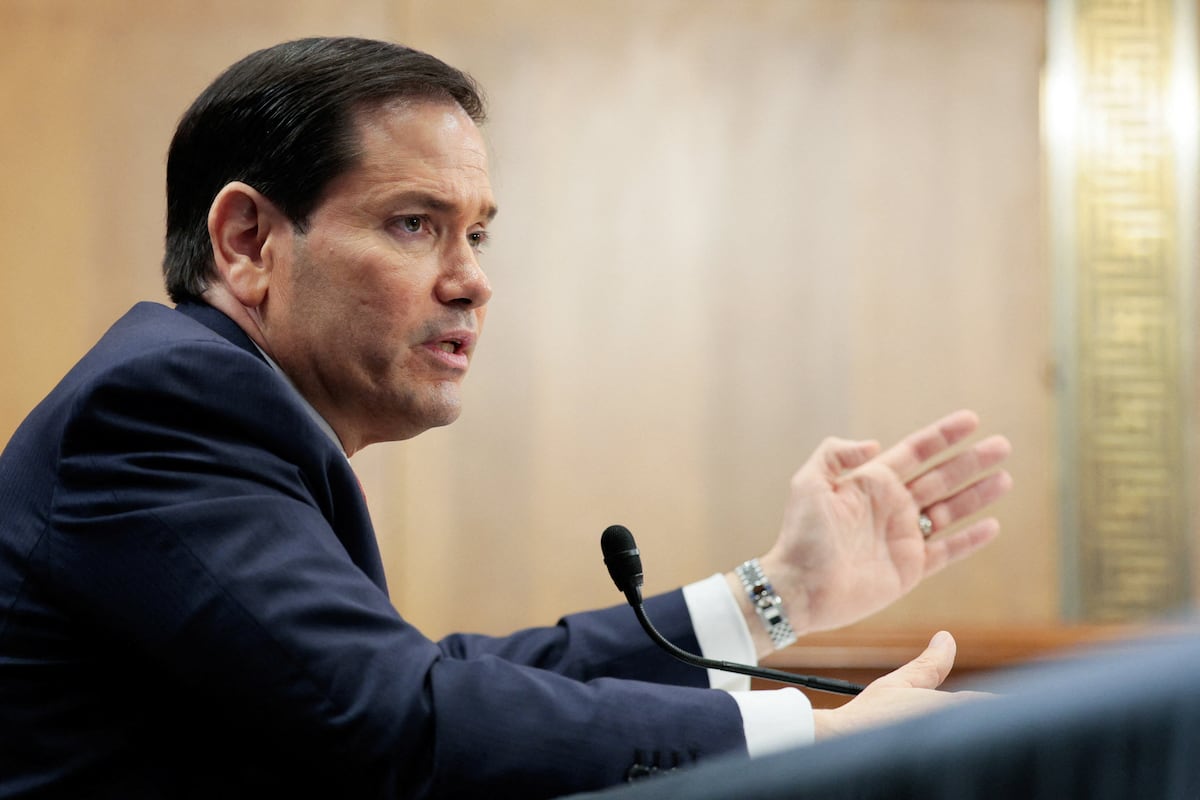
When a U.S. Senator takes the stage to deliver a blunt assessment of a nation’s cultural and economic trajectory, it’s not just a political statement—it’s a moment that ripples through the global conversation. Marco Rubio, whose Cuban heritage and political career have long intertwined with the island nation’s story, has spent the past year framing Cuba’s crisis as a failure of leadership, not just of policy. His latest remarks, delivered in a series of public statements and congressional exchanges, paint a picture of a government he argues is incapable of reform—and one that, in his view, must undergo a seismic shift in order to survive.
Rubio’s latest push comes as Cuba grapples with its most severe economic blackouts in decades, a crisis that has left millions without power, food shortages worsening, and a population increasingly desperate for change. His calls for “new leadership” and “serious reforms” are not just political posturing; they reflect a growing frustration among Cuban expatriates, dissidents, and even some within the island’s own ranks. But in a cultural landscape where art, music, and storytelling have long been both weapons and lifelines for Cubans, Rubio’s intervention raises a critical question: How does a nation’s creative identity survive when its political and economic systems are under siege?
The Senator’s Stakes: Why This Matters Beyond Politics
Rubio’s rhetoric isn’t new. For years, he has been a vocal critic of the Cuban government, framing its policies as obstacles to both economic recovery and democratic progress. His latest remarks, however, carry added weight. In a March 2026 exchange with local media, he stated outright that the current leadership “is incapable of addressing its economic problems,” a claim that echoes broader regional sentiment. His calls for a leadership overhaul are not just about governance—they’re about the survival of a culture that has, for generations, thrived in the face of adversity.
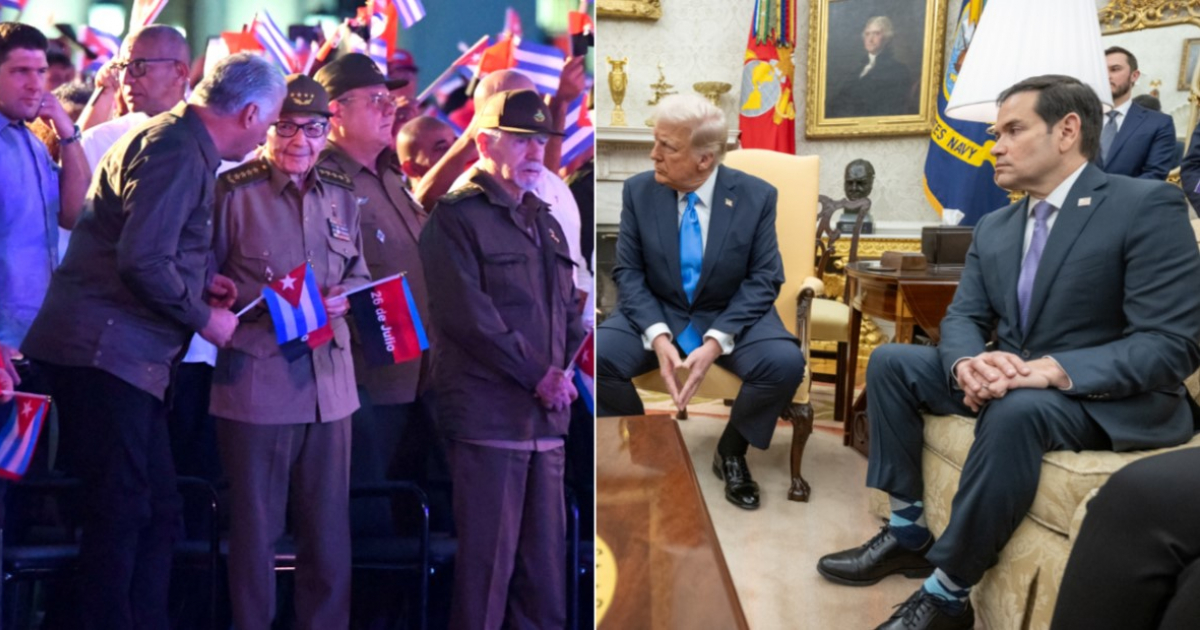
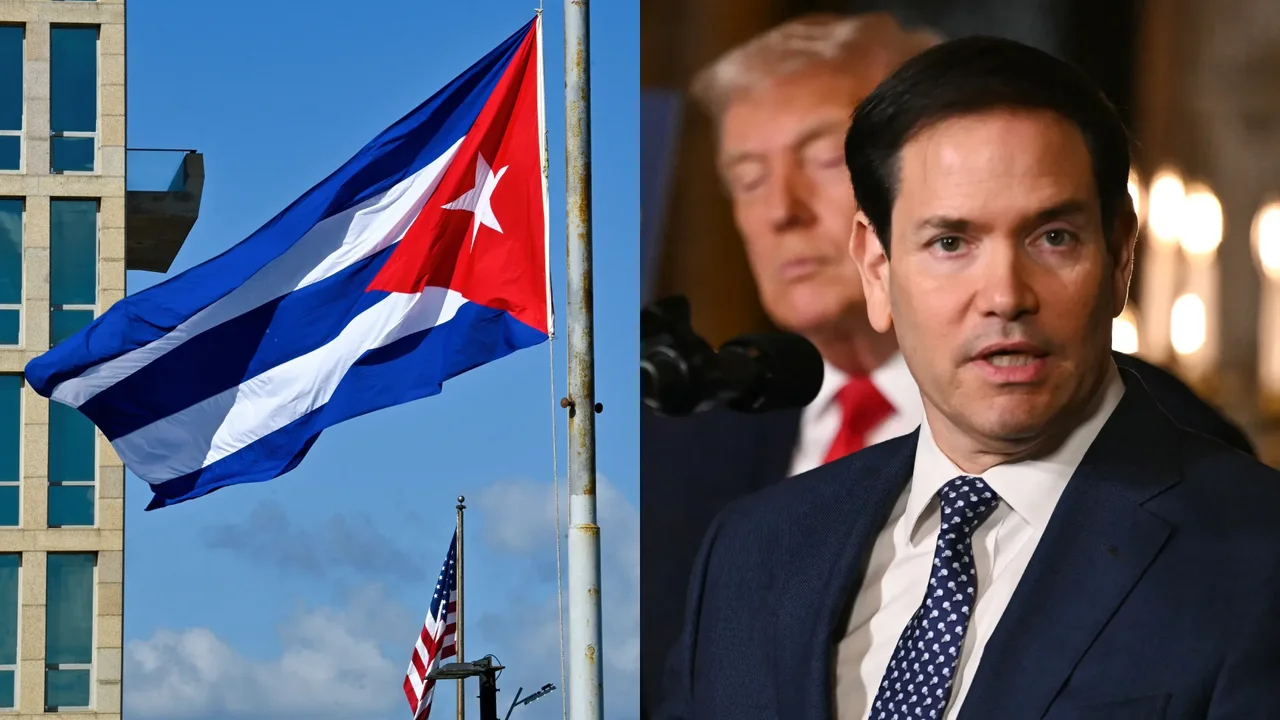
What makes this moment particularly charged is the intersection of politics and Cuban identity. Rubio, a third-generation Cuban American, represents a community that has long grappled with the tension between loyalty to heritage and criticism of a homeland they’ve never known. His stance reflects a divide that runs deep: Can Cuba’s future be written by those who left, or must it be shaped by those who remain? For artists, musicians, and filmmakers—many of whom have used their work to critique the regime while staying rooted in Cuban traditions—the answer is far from simple.
A Crisis That Plays Out in the Cultural Sphere
The economic collapse in Cuba isn’t just about rationed goods or power outages; it’s about the erosion of the very infrastructure that has sustained its creative output. Studios struggle to produce films, musicians face shortages of instruments and recording equipment, and independent publishers battle to distribute work. Yet, despite these challenges, Cuban artists have historically found ways to adapt, using underground networks, digital platforms, and even humor to keep their voices alive.
Rubio’s remarks, while framed in political terms, inadvertently highlight a cultural paradox: A government he deems ineffective has, for decades, played a paradoxical role as both censor and patron of the arts. The question now is whether a shift in leadership—if it comes—will open doors for creative expression or further stifle it under new pressures. For international audiences, the stakes are clear: Cuba’s artistic legacy is at risk of being lost in the shuffle of economic survival.
What’s Next: A Leadership Deadline?
Rubio’s calls for change are not without precedent. Similar demands have been made by Cuban Americans, human rights organizations, and even some within Cuba’s political opposition. But translating rhetoric into reality remains the challenge. The senator has not outlined a specific timeline or mechanism for leadership change, nor has he detailed how such a transition would unfold. What is clear, however, is that the window for meaningful reform is narrowing.

For now, the focus remains on the immediate crisis: keeping the lights on, the studios running, and the creative spirit alive. Whether Rubio’s words will accelerate that process—or simply add to the noise—remains to be seen. One thing is certain: In a country where art and resistance have long been synonymous, the debate over leadership is far more than politics. It’s about the soul of a nation.
