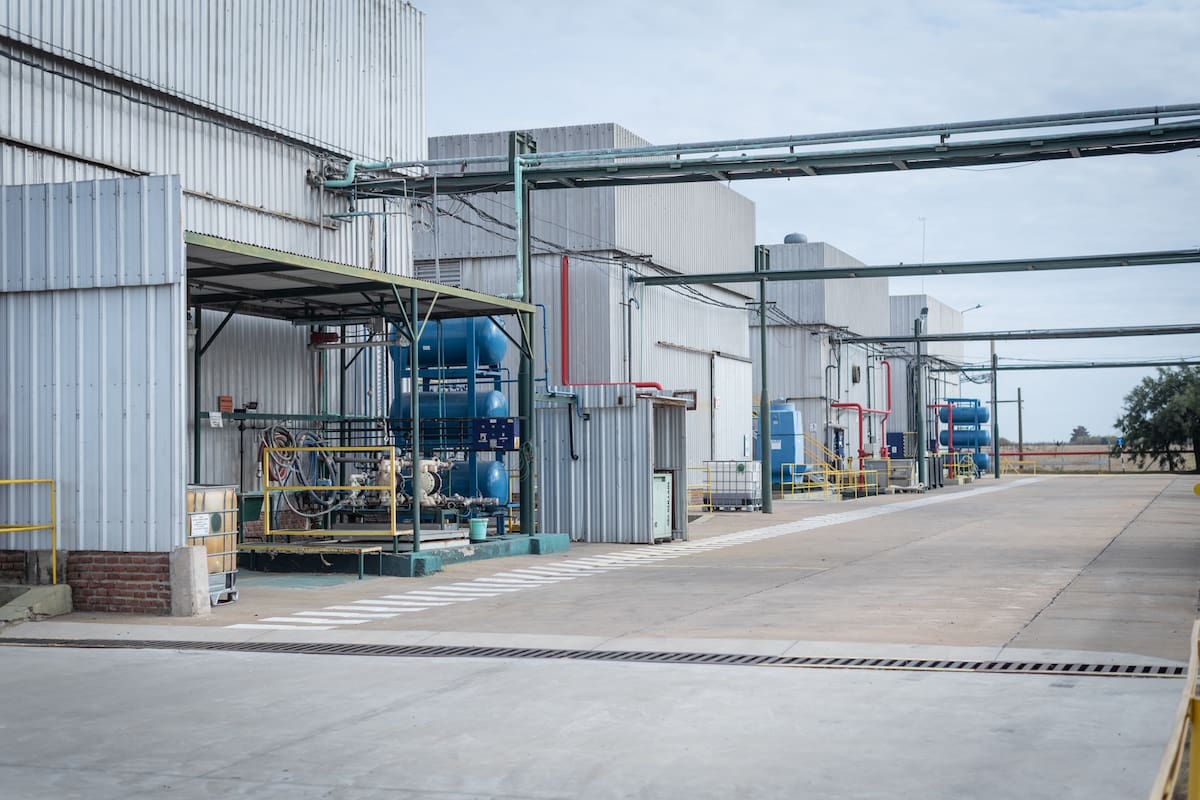
AFA, a leading agricultural cooperative in Argentina, has made a significant strategic move by acquiring a key agrochemical production facility from Canadian multinational Nutrien for $3 million. The transaction marks AFA’s entry into the agrochemical sector and positions the cooperative among the nation’s top 10 agroinput producers, according to local media reports.
The Deal and Its Strategic Implications
The acquisition involves Nutrien’s plant in Casilda, a critical hub for agrochemical manufacturing. While the exact timeline of the deal remains undisclosed, the purchase underscores AFA’s ambition to diversify its operations beyond traditional agricultural services. The cooperative plans to expand the plant’s capacity by 50%, aiming to meet growing demand for crop protection products in Argentina’s agrarian sector.

Nutrien, one of the world’s largest producers of agricultural nutrients, has been scaling back its operations in Argentina amid shifting economic conditions. The sale aligns with the company’s broader strategy to optimize its global footprint, a trend observed in other emerging markets where regulatory and fiscal challenges have prompted divestitures.
Market Context and Competitive Landscape
AFA’s expansion into agrochemicals comes at a time when Argentina’s agricultural sector faces pressure from volatile commodity prices and currency fluctuations. The cooperative, known for its strong presence in grain trading and livestock, now seeks to leverage its distribution networks to strengthen its market position. Analysts note that the move could enhance AFA’s resilience against price swings in primary commodities by adding a value-added product line.

The deal also highlights the growing consolidation in the agrochemical industry, where larger players aim to secure supply chains amid global supply chain disruptions. AFA’s entry into this space may prompt increased competition, potentially influencing pricing dynamics and innovation in the sector.
What’s Next for AFA?
Following the acquisition, AFA has indicated plans to invest in modernizing the Casilda facility, though specific timelines and funding sources have not been disclosed. The cooperative is expected to seek regulatory approvals and engage with local stakeholders to ensure a smooth transition. Industry observers will be watching closely to see how this move impacts AFA’s financial performance and its ability to compete with established agrochemical firms.
The transaction represents a pivotal moment for AFA, signaling its intent to adapt to evolving market demands. As Argentina’s agricultural landscape continues to transform, the cooperative’s expanded role in agrochemicals could have lasting effects on regional supply chains and export capabilities.
