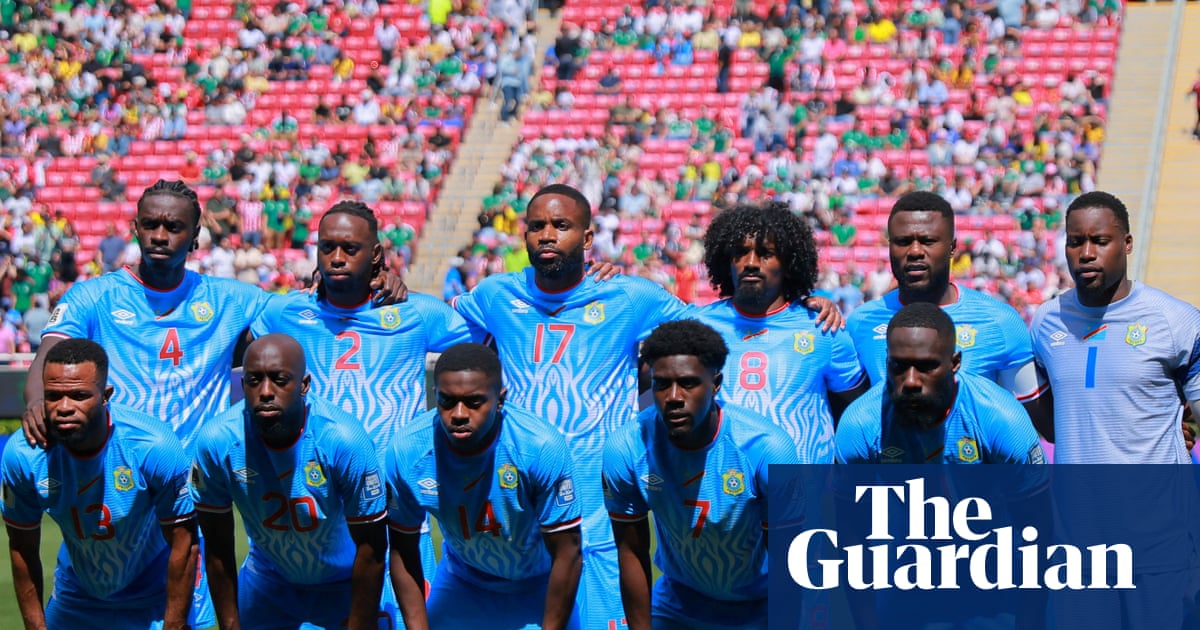
Spanish Authorities Cancel DR Congo vs. Chile World Cup Warm-Up Match Amid Ebola Outbreak Concerns
Spanish officials have abruptly called off a high-profile World Cup preparation match between the Democratic Republic of the Congo (DR Congo) and Chile, citing heightened concerns over the spread of the Ebola virus. The decision, announced late last week, has sparked immediate reactions from football federations, health experts, and international sports bodies. The match, scheduled as part of a series of friendly games ahead of the 2026 World Cup, was intended to provide teams with competitive practice and tactical adjustments for the global tournament.
The Cancellation: A Closer Look
The Spanish Ministry of Health and the Spanish Football Federation jointly issued a statement confirming the cancellation, emphasizing that the move was made “to prioritize public health and prevent the potential spread of infectious diseases.” While the exact timeline of the Ebola outbreak in the region remains unclear, officials cited “unprecedented transmission rates” in certain areas of the Democratic Republic of the Congo as a key factor. The decision comes amid growing tensions between national health protocols and the logistical demands of international sports events.
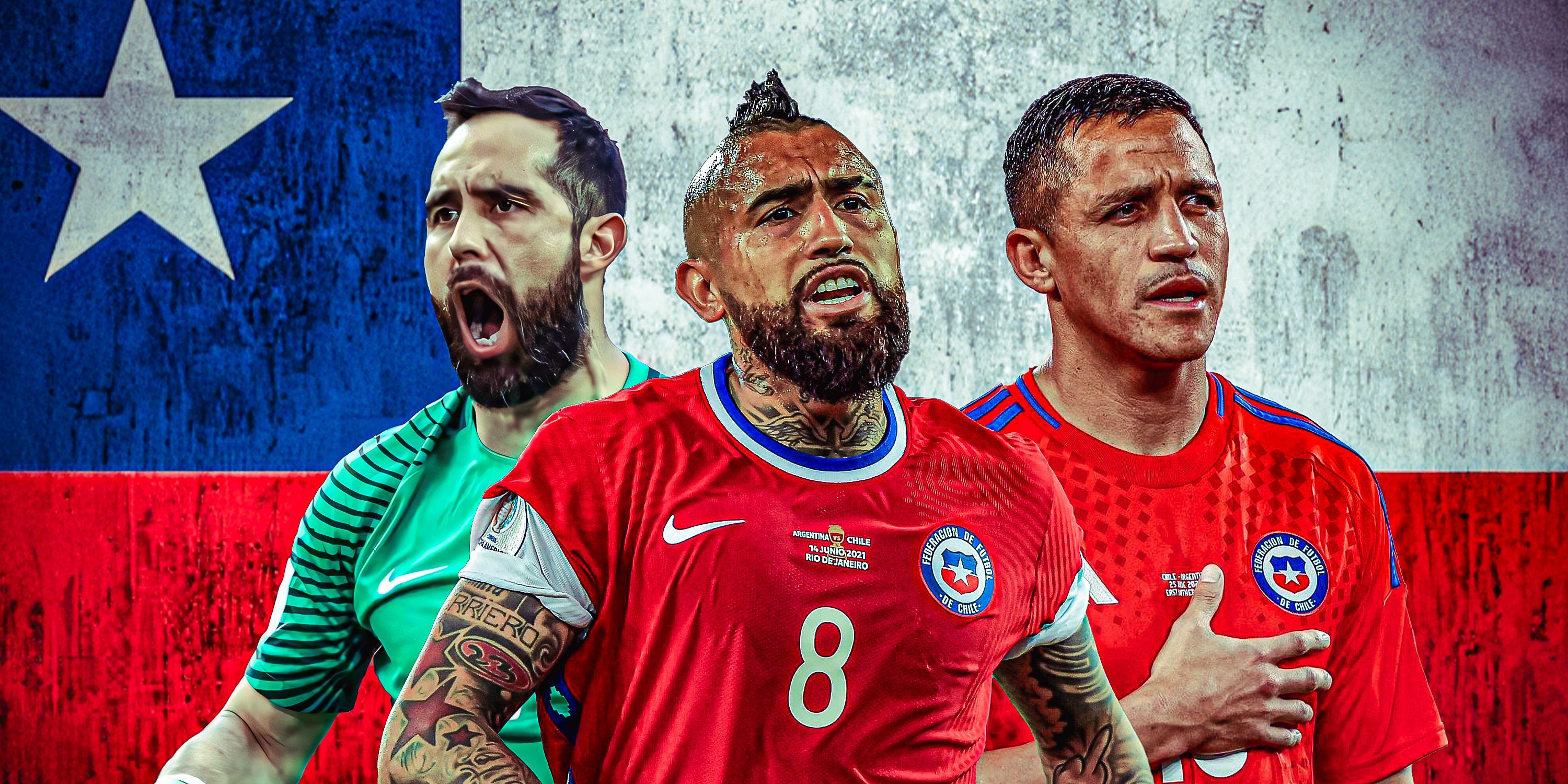
Chile’s football association has expressed disappointment, stating that the cancellation disrupts their preparation schedule. “We had invested significant resources in this match, and the sudden decision leaves us in a hard position,” a spokesperson said. However, no formal complaints have been filed, and both teams have reportedly agreed to reschedule the game once conditions improve.
Context of the Ebola Outbreak
The Ebola virus, first identified in 1976, is a severe and often fatal illness with no known cure. Outbreaks typically occur in remote parts of Central and West Africa, where access to healthcare is limited. The Democratic Republic of the Congo has experienced multiple Ebola outbreaks in recent years, including a 2023 crisis that claimed over 200 lives. While the current strain is not believed to be directly linked to the match, health officials have raised alarms about the potential for cross-border transmission, particularly in regions with high population mobility.
Spain, which has no reported cases of Ebola in the past decade, has implemented strict border controls and health screening measures. The cancellation of the match aligns with broader efforts to mitigate risks associated with international travel and large gatherings. Public health experts have praised the decision as a precautionary step, though some have questioned whether the risk was overestimated.
Stakeholders and Reactions
The cancellation has drawn attention from a range of stakeholders, including the World Health Organization (WHO), the Union of European Football Associations (UEFA), and the International Olympic Committee (IOC). The WHO issued a statement emphasizing the importance of “coordinated risk assessments” for international events, while UEFA expressed support for Spain’s decision. “We understand the need to balance public health with athletic preparation, and we will work closely with all parties to find a solution,” a UEFA official said.

Local health authorities in Spain have also weighed in, with some critics arguing that the move sets a precedent for future events. “It’s a delicate balance between protecting public health and allowing athletes to compete,” said Dr. Elena Martínez, a virologist at the Spanish National Research Council. “While the decision is understandable, it’s vital to avoid overreacting to isolated incidents.”
Implications for the 2026 World Cup
The cancellation of the match raises broader questions about the logistical challenges of hosting the 2
