OpenAI has acquired the AI startup Ona to expand its autonomous agent capabilities and strengthen its cloud service infrastructure, according to reports from Bloomberg and All-AI.de.
- Primary Goal: Integration of autonomous AI agents and enhanced AI cloud services.
- Developer Growth: OpenAI Codex now supports 5 million active developers, marking a 400% increase since January, per AD HOC NEWS.
- Investment Background: Speedinvest served as the lead investor for Ona prior to the acquisition.
How the Ona Acquisition Impacts AI Agents
The acquisition focuses on the development of autonomous AI agents—systems capable of executing multi-step tasks with minimal human intervention—and the cloud services required to host them. According to All-AI.de, OpenAI is targeting the “autonomous AI agent” sector to move beyond conversational interfaces toward functional automation. Bloomberg reports that the move specifically aims to bolster OpenAI’s cloud-based AI offerings, providing the backend stability needed for these agents to operate at scale.
Scaling the Developer Ecosystem via Codex
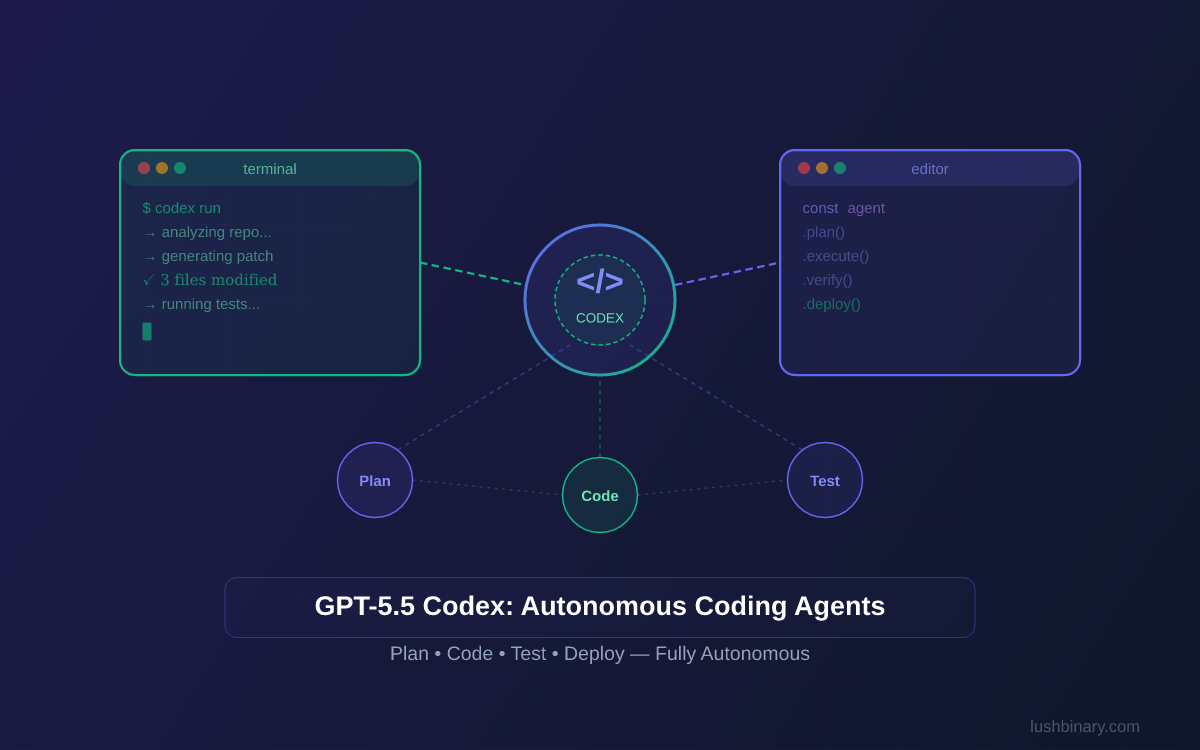
This infrastructure push coincides with a surge in developer adoption. Data from AD HOC NEWS indicates that OpenAI Codex has reached 5 million active developers, representing a 400% growth rate since January. Reports from 36 Kr highlight the stability of the platform, noting that the service has remained consistently online during this period of rapid expansion.
For software engineers, the growth of Codex suggests a shift in how code is written and deployed. By combining a massive developer base with the autonomous capabilities gained from Ona, OpenAI is positioning itself to automate more of the software development lifecycle, from initial drafting to cloud deployment.
Market Consolidation and Investment
The purchase of Ona is part of a broader trend of market consolidation within the artificial intelligence sector, according to brutkasten. The deal involves Speedinvest, which acted as the lead investor in Ona before the startup was absorbed by OpenAI.
Industry analysts point to this acquisition as a strategic move to secure specialized talent and proprietary technology in the agentic AI space, preventing competitors from gaining a foothold in autonomous cloud services.
